


Customized Machine Embroidery Patterns for Logos, Patches, and More
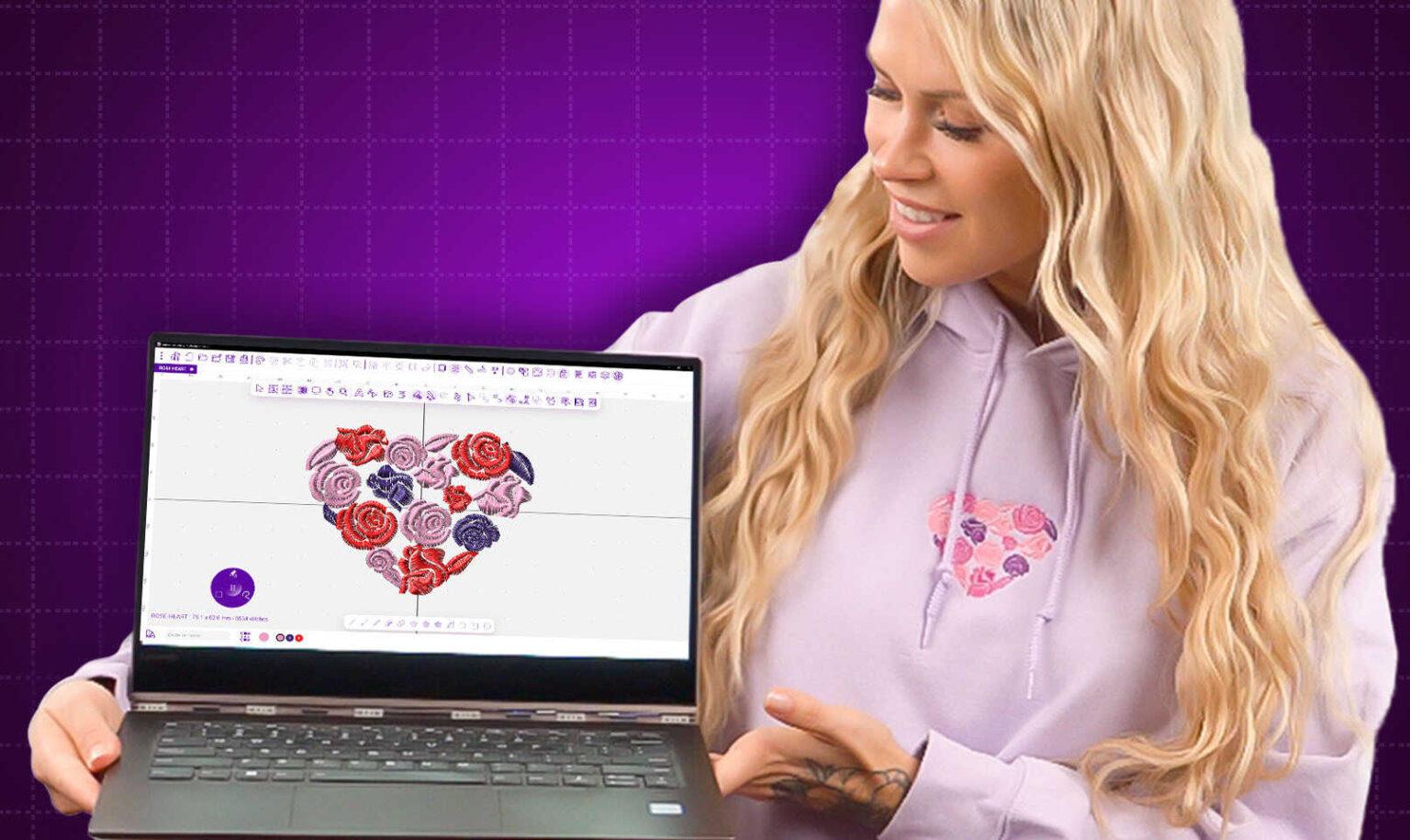
Machine embroidery has come a long way from the days of basic monograms on towels. Today, businesses, sports teams, schools, and hobbyists use it to create everything from sharp corporate logos to detailed patches and one-of-a-kind apparel. The secret behind every great stitched design is the file itself. When you invest in Customized Machine Embroidery Patterns, you get a design built specifically for thread, fabric, and the look you want. That is a big deal, because a generic pattern pulled off a stock site rarely stitches out the way you hope. Let us walk through what customization really means, why it matters, and how to get the best results for logos, patches, and everything in between.
Why Custom Patterns Beat Generic Designs
You can find thousands of free embroidery designs online. Some of them are decent. Most of them are not built for your specific machine, your specific fabric, or your specific size requirements. A generic flower design might look fine on a quilt, but shrink it down for a hat and it turns into a tangled mess.
Custom patterns solve that problem. A digitizer creates the file from scratch or carefully adapts artwork with your end goal in mind. They factor in stitch count, density, underlay, and color sequence. They know whether the design will land on a stiff canvas tote or a soft baby onesie. That level of attention is what separates a design that looks homemade from one that looks store-bought in the best way.
Logos: The Most Common Custom Request
Business logos are the number one reason people seek out custom embroidery. A company wants its brand on uniforms, hats, bags, and jackets. The logo needs to look consistent every single time. That consistency comes from a well-built file.
The challenge with logos is detail. Many logos include thin lines, small text, gradients, or complex shapes that do not translate well to thread. A custom digitizer simplifies where needed, adjusts stitch angles for shine and coverage, and makes sure the logo reads clearly even at two inches wide. They also consider the fabric. A logo stitched on a performance polo needs different backing and density than the same logo on a structured cap.
If you run a business, do not settle for an auto-converted logo. Invest in a proper custom pattern. Your brand deserves it.
Patches: Where Customization Really Shines
Patches are a whole different beast. You are not stitching directly onto a garment. You are creating a standalone piece that gets sewn or ironed on later. That opens up a world of possibilities.
Custom patch patterns often include a merrowed border, a twill background, and detailed center artwork. Some patches use a laser-cut edge for a cleaner look. Others use a woven style for ultra-fine detail. A digitizer building a patch pattern thinks about how the design will hold up as a separate item. They add a border that locks everything in. They choose a background fabric that supports the stitches. They might add a heat-seal backing or Velcro for easy attachment.
Patches work great for scout troops, motorcycle clubs, military units, esports teams, and brands that want a retro or tactical feel. The customization options are almost endless, and that is what makes them so fun.
Beyond Logos and Patches
Custom machine embroidery patterns go far beyond business branding and patches. People use them for:
Monograms on wedding gifts, robes, and linens. Each letter is customized for size, font, and thread color. A good monogram pattern balances the letters so they look like a unified design rather than three separate characters.
Sports team names and numbers. Jerseys need bold, readable text that survives repeated washing. Custom patterns ensure the numbers are thick enough and the letters do not blur together.
Seasonal and holiday designs. Think Christmas stockings, Halloween tote bags, or Easter baskets. Custom patterns let you add names, dates, or personal messages.
Pet portraits and memorial designs. These are highly detailed and require a skilled digitizer to capture likeness in thread. The result is a keepsake people treasure.
Home decor items like pillows, curtains, and wall hangings. Custom patterns let you match a specific color scheme or theme.
What Goes Into a Custom Pattern
A lot happens behind the scenes before a single stitch is sewn. The digitizer starts with your artwork or idea. They redraw it in embroidery software, choosing stitch types for each element. Satin stitches for borders and letters. Fill stitches for large areas. Run stitches for fine outlines.
They set the density so the design covers well without becoming stiff or causing thread breaks. They add underlay to stabilize the fabric. They sequence colors to minimize thread changes. They test the file, sometimes multiple times, to catch problems before production.
This process takes skill and patience. Auto-digitizing tools can speed things up, but they rarely produce professional results on their own. A human eye and human judgment still matter, especially for complex logos and detailed artwork.
Choosing the Right Fabric and Stabilizer
Even the best custom pattern can fail if you pair it with the wrong fabric or stabilizer. Lightweight fabrics like chiffon need a cutaway stabilizer and gentle density. Heavy fabrics like denim can handle denser designs but may need a different needle. Stretchy fabrics require a stabilizer that moves with them to prevent puckering.
Talk to your digitizer about what you plan to stitch on. They can adjust the file to suit the material. This is one of the biggest advantages of going custom. You are not stuck with a one-size-fits-all design that only works on one type of fabric.
Getting Started With Custom Patterns
If you are new to custom embroidery, start small. Pick one logo or one patch design and see how it goes. Find a digitizer who asks good questions about size, fabric, and placement. Ask for a stitch-out sample before committing to a large order. Once you see the quality difference, you will never go back to generic designs.
If you are doing this in-house, invest in good software and take time to learn the basics. Practice on scrap fabric. Join embroidery communities online. The learning curve is real, but the payoff is worth it.
Conclusion
Customized machine embroidery patterns open up a world of creative and professional possibilities. Whether you are branding a business, making patches for a club, or personalizing gifts, a custom design ensures your project looks polished and lasts. Generic patterns have their place, but when quality matters, customization wins every time. Take the time to work with a skilled digitizer or learn the craft yourself. Your logos, patches, and projects will thank you with stitches that look sharp, clean, and built to last.

 Հայերեն
 English
 Deutsch
 Русский
 Greek
Greek