


Condo Automation: A Guide to Smart and Efficient Condominium Living in Canada
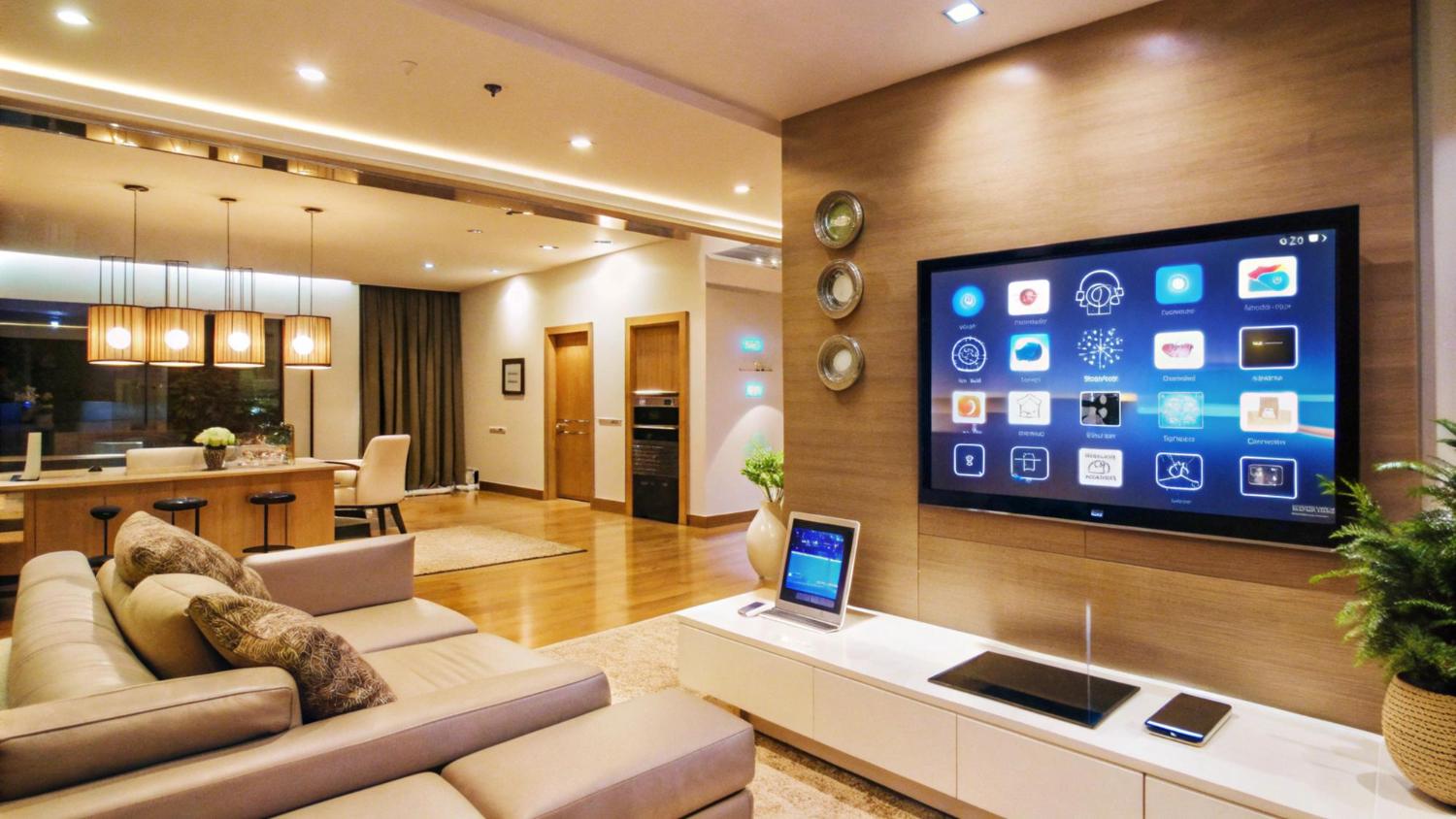
Condo automation is changing how residents manage everyday activities within condominium properties across Canada. As connected technologies become more common, automated systems can help coordinate lighting, temperature, security, and selected household devices. These technologies are particularly relevant to condominium living, where space efficiency, shared infrastructure, energy management, and building regulations can influence the choice of residential technology.
Condo automation involves connecting compatible devices and controls to simplify routine household tasks. Depending on the system, residents may adjust settings through mobile applications, use scheduled controls, or rely on sensors that respond to specific conditions. Understanding the applications, benefits, and limitations of condo automation helps explain how it can support practical and organized residential living.
What Is Condo Automation?
Condo automation refers to the use of connected devices and automated controls within a condominium unit. These systems allow residents to manage selected household functions through digital interfaces or predefined settings.
Common applications include automated lighting, temperature regulation, connected locks, environmental sensors, and compatible appliances. Some systems operate independently, while others connect through a central hub or shared control platform.
Condominium properties have specific requirements that can influence automation choices. Individual units may have limited space for additional equipment, while shared building systems may be managed by property administrators or condominium corporations. As a result, automation generally needs to account for both the needs of individual residents and the rules governing the wider building.
Key Applications of Condo Automation
1. Smart Lighting Management
Lighting automation allows residents to control compatible lights using mobile applications, scheduled settings, or motion sensors. These functions can simplify everyday routines and help manage lighting according to occupancy.
For example, lights can be scheduled to turn on during the evening or switch off after a specified period. Dimmable lighting can also be adjusted for activities such as reading, working, cooking, or relaxing.
In condominiums, efficient lighting control can be particularly useful in compact living spaces where the living room, dining area, and kitchen may share an open layout. Separate lighting zones can help residents manage different areas according to their needs.
2. Automated Temperature Control
Temperature management is another important application of condo automation. Connected thermostats can adjust compatible heating and cooling systems according to programmed schedules or remote instructions.
Canadian weather varies considerably by region and season. Condominiums may experience different heating and cooling requirements depending on location, building design, window orientation, insulation, and ventilation.
Automated temperature settings can help residents maintain comfortable indoor conditions throughout the year. Some devices also provide information about temperature patterns and energy consumption.
Before installing a connected thermostat, residents need to confirm that it is compatible with the unit's heating and cooling equipment. Certain condominiums use centralized systems that restrict individual temperature adjustments or require approval before equipment changes.
3. Smart Locks and Entry Monitoring
Connected locks and entry sensors can help residents manage access to their individual units. Depending on the device, features may include digital access codes, remote locking, entry notifications, and temporary access permissions.
These functions can be useful for households that coordinate access for family members or authorized service providers. However, smart locks should be selected according to the existing door hardware and applicable condominium rules.
Building entrances, elevators, parking areas, and shared corridors may be governed by separate security arrangements. Residents should not assume that automation within an individual unit provides control over common areas. Any changes involving shared access systems generally require the appropriate authorization.
4. Connected Appliances and Household Devices
Condo automation can also include compatible appliances and connected electrical outlets. Depending on the equipment, residents may monitor device status, schedule selected functions, or control settings remotely.
In smaller condominium units, these technologies can help organize routine activities without requiring extensive additional equipment. Connected cleaning devices, selected kitchen appliances, and energy-monitoring outlets are examples of technologies that may support everyday household management.
Device compatibility and safe operation remain essential. Residents should follow manufacturer instructions and avoid automated settings that could create unnecessary risks, particularly when appliances require supervision.
Energy Efficiency in Condominium Living
Energy management is a relevant consideration for condominium residents across Canada. Automated lighting, temperature controls, and energy-monitoring devices can help identify patterns of household consumption.
For instance, lighting schedules may reduce unnecessary electricity use, while programmable thermostats can help align heating and cooling with daily routines. Energy-monitoring devices may also provide information about the consumption of compatible appliances.
However, condo automation does not automatically reduce energy bills. Results depend on the equipment, electricity rates, household behaviour, and whether utilities are individually metered or included in condominium fees.
Shared building systems also affect overall energy performance. Heating, cooling, ventilation, and common-area lighting may be managed collectively rather than controlled by individual residents.
Important Factors Before Installation
Several practical considerations can influence the suitability of condo automation.
Building regulations: Condominium corporations may establish requirements for door hardware, electrical changes, wireless devices, and modifications affecting common property. Residents should review applicable rules before installation.
Device compatibility: Connected devices may rely on specific communication standards, control hubs, or mobile applications. Compatibility should be confirmed before purchasing or installing equipment.
Internet connectivity: Reliable wireless coverage is important for many automated functions. Residents should also determine whether essential controls remain available during an internet interruption.
Space and layout: Compact units may benefit from devices that require minimal installation and can operate within existing infrastructure.
Future flexibility: A system that supports compatible devices from different categories may be easier to adapt when household needs change.
Privacy, Security, and Maintenance
Connected technology introduces responsibilities related to digital security and personal information. Some devices collect usage patterns, occupancy information, or access records. Reviewing privacy settings and limiting unnecessary permissions can help residents manage these risks.
Strong passwords, multi-factor authentication, secure wireless networks, and regular software updates can improve device security. Residents should also understand how data is stored and whether remote access depends on external online services.
Routine maintenance may include replacing sensor batteries, updating software, checking network connections, and reviewing access permissions. Understanding how devices behave during power or internet interruptions can help prevent confusion when automated functions become temporarily unavailable.
Conclusion
Condo automation provides a practical way to manage selected household functions within condominium properties across Canada. Applications such as automated lighting, temperature regulation, connected locks, and energy monitoring can support convenient and organized daily routines.
Successful implementation depends on device compatibility, building regulations, network reliability, privacy considerations, and the requirements of each residential unit. By understanding these factors, condominium residents can make informed decisions about automation technologies while maintaining safety, efficiency, and respect for shared building arrangements.

 Հայերեն
 English
 French
 Deutsch
 Русский