


Why Might a Parked Car Develop Persistent Window Condensation?
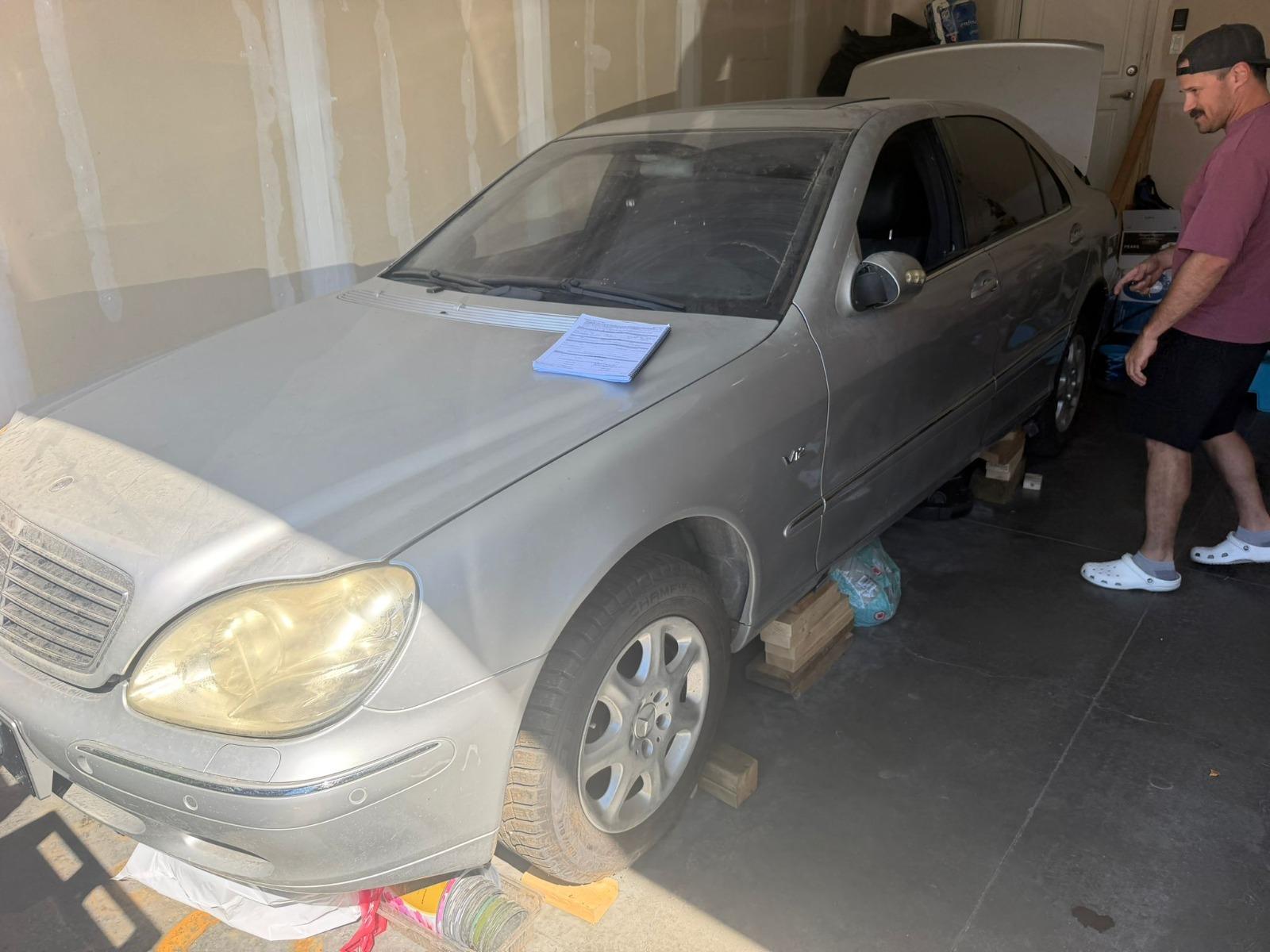
Have you ever returned to a parked car and found the windows covered in fog, even though the vehicle has not been driven for several days? Window condensation is a common problem, especially during colder weather, rainy periods, and seasonal temperature changes. However, when the fog keeps returning or never seems to disappear completely, it may indicate that excess moisture is trapped inside the vehicle.
A small amount of condensation is not necessarily a serious concern. The problem develops when moisture repeatedly collects on the glass, reduces visibility, creates musty odors, or signals an underlying water leak. Understanding why a parked car develops persistent window condensation can help you identify the cause before it leads to more expensive interior damage.
Whether your vehicle is parked outside overnight or sits unused for weeks, knowing how moisture enters the cabin and how to control it can protect both your car and your driving comfort.
What Causes Window Condensation in a Parked Car?
Condensation occurs when warm, moisture-filled air comes into contact with a colder surface. When the air near the inside of your car's windows cools sufficiently, water vapor turns into tiny droplets that collect on the glass.
Several sources can increase the moisture inside a vehicle, including wet clothing, damp floor mats, leaking weatherstripping, and humid outside air. Temperature changes between daytime and nighttime can make the problem more noticeable.
For example, a car parked outside after a rainy afternoon may retain moisture in its carpets and upholstery. When temperatures drop overnight, the windows become cold, and that trapped moisture can condense on the interior glass.
If condensation disappears after a short period, the cause may simply be normal temperature variation. If it returns every morning or persists despite cleaning the windows, it is worth investigating further.
1. Excess Moisture Is Trapped Inside the Cabin
One of the most common reasons for persistent window condensation is excess moisture inside the vehicle.
Carpets, seats, floor mats, and fabric upholstery can absorb water and release it gradually into the cabin air. Even when these materials feel dry on the surface, deeper layers may still contain moisture.
Common sources include:
- Wet shoes and clothing brought into the car.
- Rainwater carried inside on floor mats.
- Damp umbrellas or sports equipment left in the cabin.
- Spilled drinks that have soaked into upholstery.
- Water trapped beneath carpets after cleaning.
- Snow that melts inside the vehicle during winter.
When the car remains closed for extended periods, moisture may accumulate because there is little opportunity for the interior to dry properly.
How to fix it: Remove wet items, lift removable floor mats, and inspect the carpet underneath. Dry damp materials thoroughly and use suitable ventilation or drying equipment. If the carpet remains wet, investigate whether water is entering through a leak rather than assuming the moisture came from everyday use.
2. Damaged Door and Window Seals Allow Water Inside
Rubber door seals and window weatherstripping help protect the cabin from rainwater and outside air. Over time, these materials can become brittle, cracked, flattened, or loose.
When the seals no longer fit correctly, rainwater may enter around the doors or windows and soak the surrounding trim and carpeting. The water may remain hidden until condensation appears repeatedly on the glass.
You may also notice damp door panels, wet carpet near the door sills, or a musty smell after rainfall.
Inspect the rubber seals for visible damage and check whether they sit evenly against the surrounding surfaces. However, remember that condensation alone does not prove that a seal is faulty.
If the windows continue fogging after rain, have the vehicle checked for water intrusion. Repairing the actual entry point is essential because drying the cabin without fixing the leak will only provide temporary relief.
3. A Blocked Sunroof or Air Conditioning Drain May Be Responsible
Some vehicles have drainage systems that direct rainwater or condensation away from the cabin. When these passages become blocked, disconnected, or damaged, water may enter areas that are not immediately visible.
Sunroof drain problems can allow rainwater to travel behind interior trim or toward the footwells. Similarly, a blocked air conditioning condensate drain can allow water to accumulate inside the vehicle.
Potential warning signs include damp carpeting, water stains near the headliner, moisture around the footwells, or condensation that continues despite removing wet belongings.
These symptoms can have multiple causes, so avoid assuming that every wet interior is the result of a blocked drain.
If you suspect a drainage issue, arrange an inspection. A technician can check the drainage passages and identify whether water is reaching the cabin through a damaged or obstructed system.
4. Temperature Changes Make Condensation More Noticeable
Sometimes, the vehicle does not have a leak or a mechanical problem. The condensation develops because of ordinary temperature changes.
During the day, sunlight may warm the cabin and increase the amount of moisture the air can hold. Overnight, the windows cool more quickly than the surrounding air. When moisture-rich air meets the colder glass, condensation forms.
This is particularly common during autumn and winter, when nights become colder while daytime temperatures remain relatively mild.
Vehicles parked under trees may also experience additional moisture from rain, dew, and limited airflow around the body.
To reduce condensation, park in a sheltered, well-ventilated location when possible. Keep the interior free of damp items and allow moisture to escape when weather and security conditions permit.
A small amount of morning condensation that clears normally may not require repairs. Repeated heavy condensation, especially alongside damp carpeting or unpleasant odors, deserves closer attention.
5. The Cabin Air Filter or Ventilation System May Need Attention
A vehicle's ventilation system helps circulate air and manage humidity inside the cabin. Depending on the vehicle, a dirty cabin air filter or a ventilation fault may reduce airflow and make it harder for moisture to clear.
If the windows fog while driving as well as when the car is parked, the ventilation system deserves particular attention.
Possible signs include weak airflow from the vents, persistent fogging, unpleasant smells when the fan operates, or difficulty clearing the windshield.
A clogged filter does not automatically cause condensation in every vehicle, and replacing it will not resolve a leaking door seal or soaked carpet. Nevertheless, checking the filter and ensuring the ventilation system operates correctly can be a useful part of the diagnosis.
For vehicles that have been sitting unused for a long time, inspect the ventilation system and follow the manufacturer's maintenance recommendations.
6. Moisture Beneath the Carpet Can Keep Returning
One frustrating aspect of window condensation is that it can continue even after the visible glass has been wiped clean.
The reason may be moisture trapped in the carpet padding or insulation beneath the floor. These materials can retain water for much longer than the exposed carpet fibers.
As temperatures change, moisture gradually evaporates into the cabin air and eventually condenses on the cooler windows. This cycle can repeat every night until the underlying materials dry completely.
If your car repeatedly develops fogged windows, check the front and rear footwells for dampness. Pay attention to the area beneath the floor mats, where water can remain hidden.
If the padding is saturated, surface drying may not be enough. Professional water extraction or partial carpet removal may be necessary, particularly if the vehicle has a persistent musty odor or suspected mold growth.
7. Poor Storage Conditions Can Increase Interior Humidity
Where you park your vehicle can influence how quickly moisture builds up inside it.
A car stored in a damp garage, beneath leaking roofing, or in an area with poor airflow may experience repeated moisture exposure. Outdoor parking can also contribute through rain, dew, and changing temperatures.
Keeping windows completely closed is not necessarily the cause by itself, but a closed cabin with damp materials has fewer opportunities to dry naturally.
Try these practical steps:
- Choose a dry, sheltered parking space when available.
- Remove wet belongings before leaving the car.
- Keep the floor mats clean and dry.
- Check for leaks after heavy rain.
- Avoid covering a wet vehicle in a way that traps additional moisture.
- Consider a suitable automotive moisture absorber, following its safety instructions.
If condensation remains severe despite these measures, investigate the possibility of hidden water intrusion rather than relying solely on moisture-absorbing products.
How to Stop Persistent Window Condensation
The most effective solution depends on the underlying cause. These steps can help you reduce condensation and determine whether the problem needs professional attention.
Step 1: Clean the Interior Glass
Use a suitable automotive glass cleaner and a clean microfiber cloth to remove residue from the inside of the windows. Dirt and oily films can make fogging more noticeable.
Cleaning the glass improves clarity but does not eliminate excess humidity.
Step 2: Check the Interior for Dampness
Remove floor mats and inspect the carpets, seats, and trunk area. Look for water stains, wet padding, or musty smells that suggest moisture is being retained.
Step 3: Dry the Vehicle Thoroughly
Remove wet items and use appropriate ventilation or drying equipment. If water has soaked into the carpet padding, consider professional extraction.
Never leave an engine running in an enclosed garage to warm or dry the car because exhaust gases can cause fatal carbon monoxide poisoning.
Step 4: Identify the Source of Water
Inspect door seals and look for signs of leakage around windows, the sunroof, and the windshield. Have blocked drains or suspected ventilation faults checked by a qualified technician.
Step 5: Monitor the Problem
Once the cabin is dry, observe whether condensation returns during the following days. If it does, especially after rainfall, the original source may not have been fully resolved.
Can Persistent Condensation Affect an Old Car's Value?
Yes, persistent condensation can sometimes indicate a wider moisture problem that affects a vehicle's condition.
A car with recurring fogged windows, damp upholstery, or a musty interior may require additional cleaning and repairs before it is ready for sale. If water intrusion has continued for a long time, there may also be concerns about corrosion, damaged trim, or electrical components.
The impact on resale value depends on the severity of the issue and whether the underlying cause can be repaired economically.
If the vehicle is otherwise reliable, repairing a leak and drying the interior may be a sensible investment. If the car already has multiple expensive problems, comparing repair estimates with its current value can help you make a more informed decision.
Owners considering a sale can explore cash for cars Calgary to learn about their options. It is worth comparing the vehicle's condition and any outstanding repair costs before deciding whether to keep or sell it.
For a vehicle with extensive water damage or several costly faults, cash for junk cars Calgary services may also be worth investigating. Obtain a quote and review the terms to determine whether selling makes more financial sense than continued repairs.
Frequently Asked Questions
Is it normal for a parked car's windows to fog up overnight?
Occasional condensation can be normal, particularly during cold nights or humid weather. Heavy condensation that returns frequently may indicate excessive interior moisture or a water leak.
Why does my car fog up when nobody is inside?
Moisture can remain in carpets, upholstery, and other interior materials after occupants leave. Temperature changes can then cause that moisture to condense on cold windows.
Can condensation damage a car?
Occasional condensation usually causes little concern, but persistent moisture may contribute to mold growth, unpleasant odors, interior deterioration, and corrosion if water reaches vulnerable metal components.
Will a moisture absorber solve the problem?
A suitable moisture absorber may help manage mild humidity, but it will not repair a leaking seal, blocked drain, or saturated carpet. Addressing the underlying cause is more effective.
Should I worry if the windows fog up every morning?
If the condensation is heavy or persistent, check for damp carpets, water stains, and musty odors. If the problem continues after the interior has been dried, arrange a professional inspection.
Final Thoughts
A parked car can develop persistent window condensation because of temperature changes, excess interior humidity, leaking seals, blocked drains, or moisture trapped beneath the carpet. Although occasional fogging is common, repeated condensation should not be ignored when it comes with damp materials or unpleasant odors.
Start by cleaning the glass, inspecting the cabin, and drying any wet materials. If the problem keeps returning, identify and repair the source of the moisture instead of treating only the visible condensation.
Regular checks are particularly valuable for older vehicles and cars that remain parked for long periods. By addressing moisture early, you can protect the interior, reduce the risk of hidden damage, and avoid unnecessary repair expenses.

 English
 French
 Deutsch
 Русский
 Greek