


A Practical Guide to Exploring Ras Al Khaimah by Road: Routes, Attractions, and Travel Tips
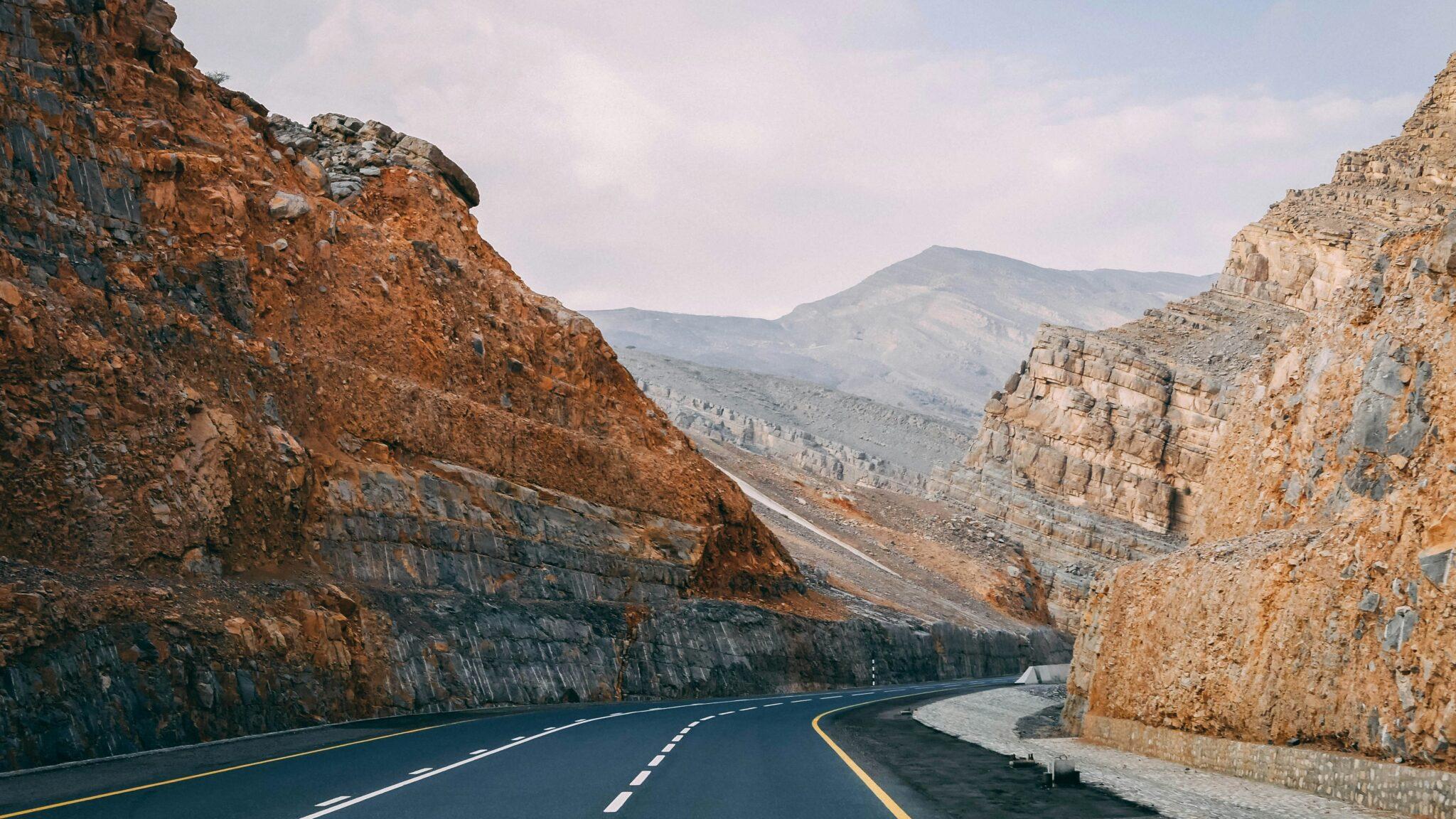
Ras Al Khaimah offers a different side of the United Arab Emirates, with rugged mountains, quiet beaches, desert landscapes, and historic villages. Exploring the emirate by road helps you experience these places at your own pace and discover attractions beyond the main tourist areas. This guide explains how to plan a road trip, which destinations to visit, what to know about driving conditions, and how to make your journey more comfortable.
Why Explore Ras Al Khaimah by Road?
Road travel makes it easier to combine several experiences in one trip. You can spend the morning exploring the Hajar Mountains, visit a historic site in the afternoon, and finish the day beside the Arabian Gulf.
Unlike a trip focused on a single resort, a road journey gives you more flexibility to explore different parts of the emirate. You can adjust your schedule around the weather, sightseeing preferences, and time available.
The main advantages include:
-
Flexible itineraries: Visit mountain viewpoints, beaches, heritage sites, and restaurants without following a fixed group-tour schedule.
-
Access to varied landscapes: Travel between coastal areas, desert scenery, and mountain roads in one trip.
-
Convenient family travel: Carry water, snacks, luggage, and other essentials more easily.
-
More opportunities for discovery: Stop at suitable viewpoints and local attractions along your planned route.
Before setting off, check attraction opening hours, road conditions, and activity availability. Some outdoor experiences operate seasonally or require advance reservations.
Best Places to Visit on a Ras Al Khaimah Road Trip
Ras Al Khaimah has attractions spread across the coast, city, desert, and northern mountain region. Planning your stops by geographical area helps reduce unnecessary driving and leaves more time for sightseeing.
1. Jebel Jais: Discover the Mountain Scenery
Jebel Jais is one of Ras Al Khaimah's most recognisable destinations. Located in the Hajar Mountains, it attracts visitors with winding mountain roads, rocky landscapes, cooler conditions at elevation, and panoramic viewpoints.
The drive itself forms part of the experience. As you climb, the scenery changes from urban surroundings to dramatic mountain formations.
Visitors can explore designated viewing areas, enjoy refreshments at mountain venues, or book outdoor activities when available. Adventure options have included Jais Flight, Jais Sky Tour, and Jais Sledder, although operating schedules and availability can change.
Check the official Jebel Jais website before travelling for current activity information and visitor guidance.
Road trip tip: Start early if you want to enjoy the mountain scenery without rushing. Follow posted speed limits, watch for bends, and avoid stopping in unsafe locations to take photographs.
2. Dhayah Fort: Explore Ras Al Khaimah's History
Dhayah Fort offers a valuable glimpse into the region's history. This historic hilltop fort stands among date palm gardens and mountain scenery in the northern part of the emirate.
The site is particularly appealing to visitors interested in heritage, photography, and traditional Emirati landscapes. Its elevated position also provides views across the surrounding countryside.
Reaching the top requires climbing uneven, zigzagging steps. Visitors should wear suitable footwear, carry drinking water, and plan their visit during daylight because the route is rocky and lacks lighting.
Read the official Dhayah Fort visitor information before including the site in your itinerary.
3. Al Jazirah Al Hamra: Visit a Historic Coastal Settlement
Al Jazirah Al Hamra is a historic settlement known for its traditional architecture and connection to the region's pearling and maritime heritage.
Walking through the old settlement reveals traditional buildings, narrow passages, and architectural details that contrast with the modern resorts elsewhere in the emirate.
This destination suits travellers who want to understand Ras Al Khaimah beyond its beaches and adventure attractions. Allow time to explore respectfully and follow any access restrictions or visitor instructions.
4. Al Marjan Island: Enjoy the Coastal Atmosphere
Al Marjan Island is a waterfront development known for its resorts, beaches, dining venues, and coastal views.
It makes a convenient stop for travellers seeking a relaxed break after visiting inland attractions. Depending on access arrangements and the facilities you choose, you can enjoy a meal, spend time beside the water, or explore the surrounding resort area.
Consider visiting in the late afternoon or evening when temperatures become more comfortable. Check beach access and parking arrangements in advance because facilities can differ between properties.
5. Al Qawasim Corniche: Take a Relaxed Break
Al Qawasim Corniche provides a pleasant setting for a walk, a meal, or a break from driving around the city.
It works well as a short stop rather than a destination that requires an entire day. You can combine the waterfront with other nearby attractions, depending on your interests and schedule.
Choose a suitable parking area before leaving your vehicle, and avoid stopping along busy roads to take photographs.
How to Plan a Ras Al Khaimah Road Trip
A practical itinerary should account for travel distances, sightseeing time, weather, and the opening hours of individual attractions. Rather than visiting every destination in one day, group nearby locations together.
The following itinerary provides a flexible starting point.
|
Trip duration |
Suggested plan |
Best suited for |
|
One day |
Jebel Jais and a city or waterfront stop |
Short visits and weekend trips |
|
Two days |
Mountain scenery, Dhayah Fort, and Al Marjan Island |
First-time visitors |
|
Three days |
Mountains, heritage sites, beaches, and additional local experiences |
Travellers seeking a relaxed itinerary |
Suggested One-Day Route
Start with Jebel Jais in the morning, when you can dedicate time to mountain viewpoints and any pre-booked activities. After descending, enjoy lunch and continue towards a suitable city attraction or waterfront area.
If you prefer historical sites, consider visiting Dhayah Fort on a separate day or adjusting your route to account for its location and the time required to explore it.
Do not try to fit every attraction into a single schedule. Travel times depend on your starting point, traffic, stops, and road conditions.
Suggested Two-Day Route
Day 1: Mountains and heritage
-
Begin with a drive towards Jebel Jais.
-
Explore designated viewpoints and available activities.
-
Take a meal break before continuing your journey.
-
Visit Dhayah Fort if opening hours, daylight, and your route allow.
Day 2: Coast and local attractions
-
Explore Al Jazirah Al Hamra or another heritage attraction.
-
Spend time around Al Marjan Island.
-
Finish with a waterfront meal or a relaxed walk along Al Qawasim Corniche.
Treat this itinerary as a framework rather than a fixed schedule. Confirm access arrangements and driving times before departure.
Choosing the Right Vehicle for Your Journey
Your vehicle can influence how comfortably you explore Ras Al Khaimah. Consider the number of passengers, luggage requirements, road conditions, and the type of places you plan to visit.
A standard passenger car generally suits city sightseeing and paved-road travel. A larger vehicle may offer additional space for families or groups, while a premium model may appeal to travelers who prioritize comfort.
If you are travelling from Dubai, compare available car rental options for your UAE road trip before finalising your plans. Great Dubai is one option to review when arranging a rental in Dubai, but confirm the vehicle's availability, mileage allowance, insurance terms, and permission to travel to Ras Al Khaimah before booking.
Choose your vehicle according to the actual route rather than assuming that a larger vehicle is always necessary. Most conventional sightseeing itineraries use paved public roads, and you should never take a rental vehicle off-road unless the rental agreement expressly permits it.
Which Vehicle Type Should You Choose?
-
Economy cars: A practical choice for solo travellers and couples who mainly plan to visit city attractions and coastal areas.
-
Sedans: Suitable for travellers who want additional comfort for longer highway journeys.
-
SUVs: Worth considering for families, groups, or travellers who need extra luggage space and a higher seating position.
-
Luxury cars: An option for visitors who prioritise premium interiors and comfort during their trip.
Before confirming a booking, compare the total rental cost, fuel policy, mileage limits, security deposit, insurance excess, and any additional driver charges. Check whether your planned destinations fall within the rental company's permitted travel area.
Driving Tips for Exploring Ras Al Khaimah
Driving around Ras Al Khaimah is straightforward when you prepare for the route and follow UAE traffic regulations. However, mountain roads and unfamiliar junctions require attention.
Follow Speed Limits and Road Signs
Speed limits vary by road, so follow the signs rather than relying on a single speed limit for the entire journey. Maintain a safe following distance and slow down when approaching bends, junctions, or areas with reduced visibility.
The UAE Government's official road safety guidance provides useful information about road use and traffic regulations.
Prepare for Mountain Driving
Mountain roads require a different approach from urban streets. Sharp bends, elevation changes, and steep sections can demand more careful driving.
Follow these precautions:
-
Maintain a steady, controlled speed on bends.
-
Keep a safe distance from the vehicle ahead.
-
Avoid sudden braking or abrupt lane changes.
-
Never stop in a dangerous location to photograph the scenery.
-
Check your vehicle's tyres, brakes, fuel level, and warning lights before departure.
If you are unfamiliar with mountain driving, allow extra time and avoid rushing between attractions.
Check the Weather Before Leaving
Weather conditions can affect visibility, road surfaces, and outdoor activities. High temperatures can also make long outdoor stops uncomfortable.
Check the forecast before travelling, particularly if you plan to visit mountainous areas or spend extended periods outdoors. Follow any official warnings and comply with road closures or instructions issued by local authorities.
Keep Essential Items in the Vehicle
Carry drinking water, sun protection, a charged mobile phone, and a suitable navigation option. A charging cable or power bank can also help you keep your phone available for navigation and emergency communication.
If you travel with children, bring the required child restraints and plan breaks that suit their needs.
Understanding Fuel, Parking, and Travel Costs
A road trip budget should include more than the cost of fuel. Rental charges, parking, attraction tickets, meals, and optional activities can all affect your final spending.
|
Expense |
What to consider |
|
Vehicle rental |
Daily rate, rental duration, mileage limits, and deposit |
|
Fuel |
Total driving distance and the vehicle's fuel consumption |
|
Parking |
Charges, permitted parking areas, and time restrictions |
|
Attractions |
Entry fees and advance booking requirements |
|
Food and drinks |
Meals, refreshments, and additional water |
|
Optional activities |
Adventure experiences, tours, or guided visits |
Compare the total estimated cost rather than choosing a vehicle based on its advertised daily price alone.
For rental bookings, review the terms carefully and confirm what the quoted price includes. If you plan to keep the vehicle for several days, compare weekly car rental options with shorter rental periods to see which arrangement best fits your itinerary. Verify the actual rate and availability directly with the provider.
Common Mistakes to Avoid on a Ras Al Khaimah Road Trip
Small planning errors can waste time or make a journey less comfortable. Avoid these common mistakes:
-
Trying to visit too many places: Group nearby attractions and allow time for meals and unexpected delays.
-
Ignoring opening hours: Check the latest visitor information before setting off for historical sites and outdoor attractions.
-
Underestimating mountain driving: Allow extra time for winding roads and changing conditions.
-
Choosing a vehicle without checking the rental terms: Confirm mileage limits, insurance coverage, and permitted travel areas.
-
Relying entirely on mobile navigation: Review your route beforehand and keep your phone charged.
-
Leaving essential supplies behind: Carry drinking water, sun protection, and any items you need for children or older travellers.
-
Driving when tired: Schedule breaks and avoid extending your journey beyond what you can manage safely.
A flexible schedule usually produces a better experience than a packed itinerary. Give yourself enough time to enjoy each destination instead of spending the entire day watching the clock.
Frequently Asked Questions
Is Ras Al Khaimah suitable for a road trip?
Yes. The emirate offers a varied combination of mountains, beaches, heritage attractions, and urban destinations. A road trip makes it easier to combine these experiences, particularly when you plan your stops by location.
How many days are enough to explore Ras Al Khaimah?
One day can cover a limited selection of attractions, while two or three days allow a more relaxed experience. The ideal duration depends on whether you prefer outdoor activities, historical sites, coastal relaxation, or a mixture of all three.
Can visitors drive a rental car from Dubai to Ras Al Khaimah?
Visitors can generally travel between the emirates in a rental car when they meet the applicable driving requirements and comply with the rental agreement. Confirm that your driving licence is accepted, that you meet the provider's age and documentation requirements, and that your rental permits travel to Ras Al Khaimah.
Do you need an SUV to explore Ras Al Khaimah?
No. A regular car is suitable for many popular attractions reached by paved public roads. An SUV may offer additional space or comfort, but select your vehicle according to your passenger needs and planned activities. Do not assume that a standard rental SUV is suitable for off-road driving.
What is the best time to explore Ras Al Khaimah by road?
The cooler months generally provide more comfortable conditions for outdoor sightseeing and mountain visits. During hotter periods, plan outdoor activities for early morning or later in the day, check local weather conditions, and confirm seasonal attraction schedules.
What should you check before renting a car for a Ras Al Khaimah trip?
Confirm the rental price, mileage allowance, insurance coverage, excess, deposit, fuel policy, breakdown assistance, and permitted travel areas. Check your driving documents and inspect the vehicle for existing damage before leaving the pickup location.
Final Thoughts
Exploring Ras Al Khaimah by road gives you the freedom to experience its mountains, historic settlements, beaches, and waterfront attractions in one carefully planned trip. Choose destinations that match your interests, allow enough time for each stop, and prepare for changing road and weather conditions.
With a suitable vehicle, a realistic itinerary, and attention to local driving regulations, you can make the most of your journey without rushing between destinations. Check official tourism resources before departure, confirm activity availability, and keep your plans flexible enough to enjoy the emirate at your own pace.

 English
 French
 Deutsch
 Русский
 Greek