


Running In-Store Campaigns That Work: Rholab’s Promotional Services Explained
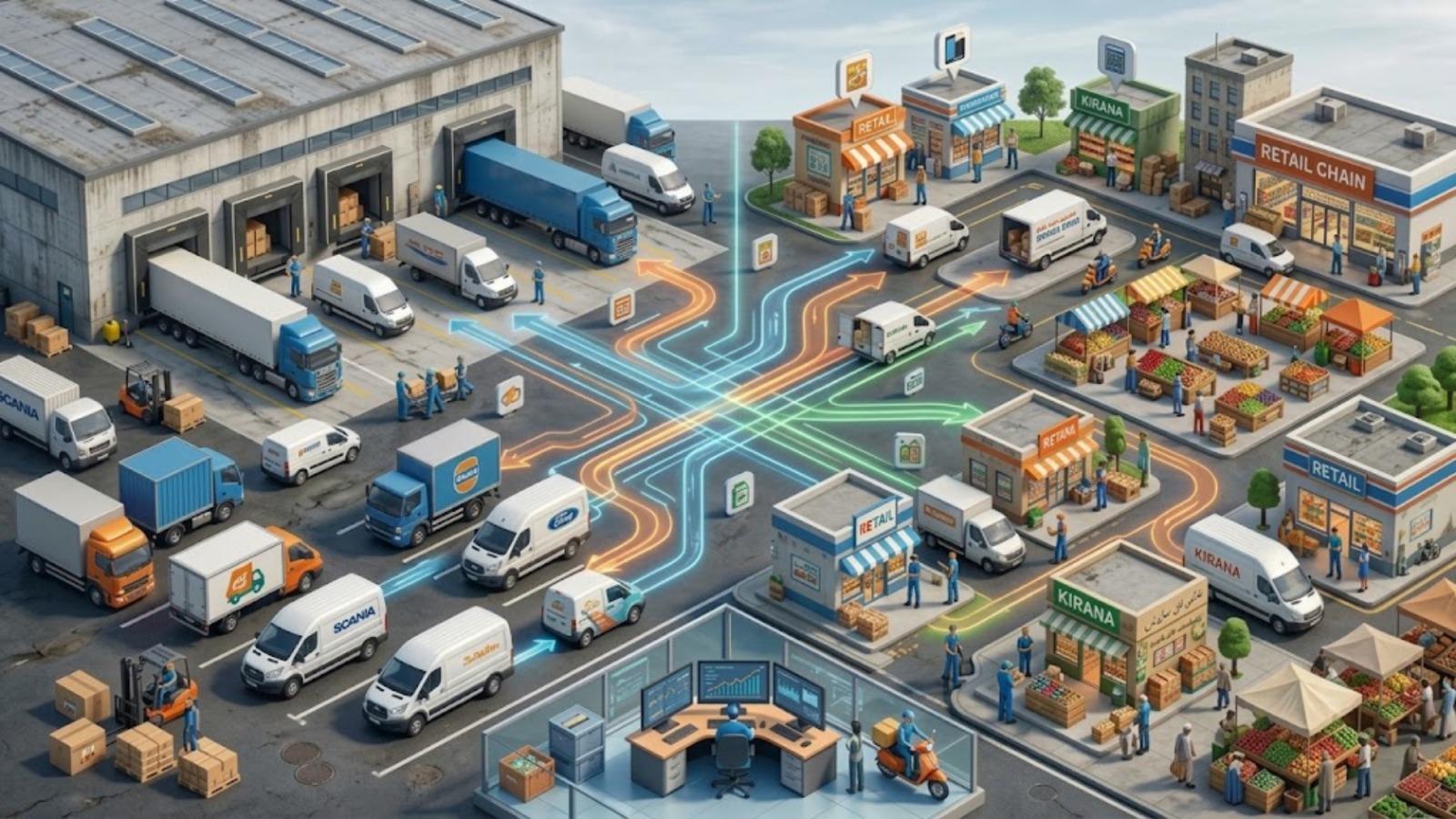
Every brand wants its in-store campaigns to deliver real results: more shoppers trying the product, higher sales, and stronger brand recall. Yet many campaigns fall short. Displays arrive late, promotional stock runs out, store staff don’t know about the offer, or materials end up sitting in a storeroom instead of on the shelf. The idea may be strong, but poor execution turns it into a wasted budget. Successful campaigns depend on careful planning, coordinated logistics, and reliable on-ground follow-through. That’s where professional promotional services make a real difference. In this article, we’ll walk through the full lifecycle of an in-store campaign, explain what separates successful campaigns from disappointing ones, and show how Rholab helps brands run promotions that actually work.
Why So Many In-Store Campaigns Fail
Most campaign failures don’t come from bad ideas. They come from gaps between planning and execution. A marketing team may design an attractive offer, but if it isn’t coordinated with warehousing, distribution, and field teams, problems appear quickly.
Common issues include promotional packs not being ready on time, point-of-sale materials missing from stores, insufficient stock to meet extra demand, inconsistent setup across outlets, and no clear way to measure results. Each gap reduces the campaign’s impact, and together they can make even a well-funded promotion ineffective.
Types of In-Store Campaigns
Before planning, it helps to understand the main types of campaigns brands typically run.
Product Launch Campaigns
These introduce new products to shoppers through displays, sampling, signage, and introductory offers. The goal is to build awareness and encourage first-time trial.
Seasonal Campaigns
Festive periods, holidays, and seasonal changes create natural opportunities for themed displays, gift packs, and special offers.
Price and Value Promotions
Discounts, multi-buy deals, and bundle offers create urgency and encourage larger or more frequent purchases.
Sampling and Activation Campaigns
Promoters or demonstrators allow shoppers to taste, try, or experience products in-store, reducing hesitation and increasing conversion.
Visibility Campaigns
These focus on improving shelf placement, adding secondary displays, and strengthening brand presence without necessarily offering discounts.
The Lifecycle of a Successful Campaign
Stage 1: Set Clear Objectives
Every campaign should start with a clear goal. Is the aim to drive trial of a new product, increase sales volume, clear seasonal stock, or strengthen brand presence in a new area? Defined objectives guide every decision that follows and make it possible to measure success.
Stage 2: Choose the Right Outlets
Not every store is equally suitable for every campaign. High-traffic supermarkets may be ideal for sampling and large displays, while neighborhood stores may respond better to shelf visibility and simple trade offers. Selecting outlets based on location, shopper profile, and sales potential improves results and controls costs.
Stage 3: Plan Materials and Promotional Packs
Once objectives and outlets are set, brands need to prepare the materials that bring the campaign to life. This may include shelf talkers, posters, display units, promotional packs, bundles, and sampling kits. Everything must be produced and prepared in the right quantities before launch.
Stage 4: Align Stock with Expected Demand
Promotions increase demand, sometimes dramatically. Stock must be built up in advance and positioned in stores before the campaign begins. Running out of product during a promotion is one of the most costly mistakes a brand can make.
Stage 5: Brief the Field Teams
Field representatives and promoters need to understand the campaign’s goals, offer details, display guidelines, and key messages. A well-briefed team executes consistently and can answer questions from shopkeepers and shoppers confidently.
Stage 6: Launch and Set Up In-Store
On launch day, displays are installed, materials are placed, and products are arranged according to guidelines. Consistent setup across stores ensures shoppers see the campaign the way it was designed.
Stage 7: Monitor During the Campaign
Campaigns need attention while they run. Field visits check that displays remain in place, stock levels are maintained, and promotional materials haven’t been removed or damaged. Quick action keeps the campaign effective throughout its duration.
Stage 8: Review and Learn
After the campaign ends, results should be analyzed. Sales uplift, outlet participation, display compliance, and shopper feedback all provide insights that improve future campaigns.
How Rholab’s Promotional Services Support Each Stage
Rholab brings together the operational pieces that campaigns depend on, making execution smoother and more reliable.
Planning Support
Rholab works with brands to align campaign timelines with warehousing, distribution, and field activity. This ensures that materials, stock, and teams are ready when the campaign begins.
Promotional Pack Preparation
Through its packaging and value added services, Rholab prepares bundles, combo packs, gift-with-purchase items, and special offer packs. Quality checks ensure these packs contain the correct items and look professional.
Material and Stock Distribution
Rholab distributes promotional materials alongside product deliveries, so stores receive both stock and campaign materials at the right time. Integrated inventory management helps ensure enough stock is available to support increased demand.
Field Execution
Rholab’s sales operations teams visit outlets to set up displays, place point-of-sale materials, arrange products, and confirm that offers are visible. In general trade, they also work with shopkeepers to secure better placement and participation.
Ongoing Monitoring
During campaigns, field teams check compliance, replenish stock, and report issues such as missing displays or low inventory. This allows quick corrective action.
Reporting and Insights
Rholab provides feedback on execution and performance, helping brands understand what worked, what didn’t, and how to improve future promotions.
Campaigns Across General and Modern Trade
Execution differs by channel. In modern trade, campaigns often follow formal agreements with retailers, including specific display locations, dates, and guidelines. Precision and compliance are essential. In general trade, campaign success relies more on relationships with shopkeepers and consistent field visits. Rholab supports both channels, helping brands run coordinated campaigns that reach supermarket shoppers and neighborhood customers alike.
Tips for Better In-Store Campaigns
Keep messages simple and clear so shoppers understand the offer instantly. Focus on a limited number of high-potential outlets rather than spreading resources too thin. Make sure stock and materials arrive before launch, not during it. Train field teams thoroughly and provide simple execution guidelines. Monitor campaigns actively instead of assuming everything is in place. Finally, use data from each campaign to refine the next one.
Conclusion
In-store campaigns can be powerful drivers of trial, sales, and brand recognition, but only when planning and execution work together. Clear objectives, smart outlet selection, ready materials, sufficient stock, well-briefed teams, consistent setup, active monitoring, and careful review all contribute to campaign success. Integrated promotional services connect these elements so campaigns deliver the results they were designed to achieve.
For brands that want their in-store campaigns to perform consistently, the right partner makes execution far easier. Rholab helps brands run effective retail campaigns with promotional pack preparation, coordinated distribution, field execution, and performance insights.
Frequently Asked Questions
1. Why do many in-store campaigns fail?
Most failures come from execution gaps, such as late materials, insufficient stock, inconsistent setup, poorly briefed teams, and lack of monitoring.
2. What types of in-store campaigns can brands run?
Common types include product launches, seasonal campaigns, price and value promotions, sampling and activation campaigns, and visibility campaigns.
3. How does Rholab support in-store campaign execution?
Rholab supports planning, prepares promotional packs, distributes materials and stock, provides field execution and monitoring, and shares performance reporting.
4. How important is stock planning for promotions?
Very important. Promotions increase demand, and running out of stock during a campaign leads to lost sales and disappointed shoppers and retailers.
5. How should brands measure campaign success?
Brands can measure sales uplift, outlet participation, display compliance, and shopper feedback, then use these insights to improve future campaigns.

 Հայերեն
 French
 Deutsch
 Русский
 Greek