


Why Coordination Training Deserves a Place in Your Routine
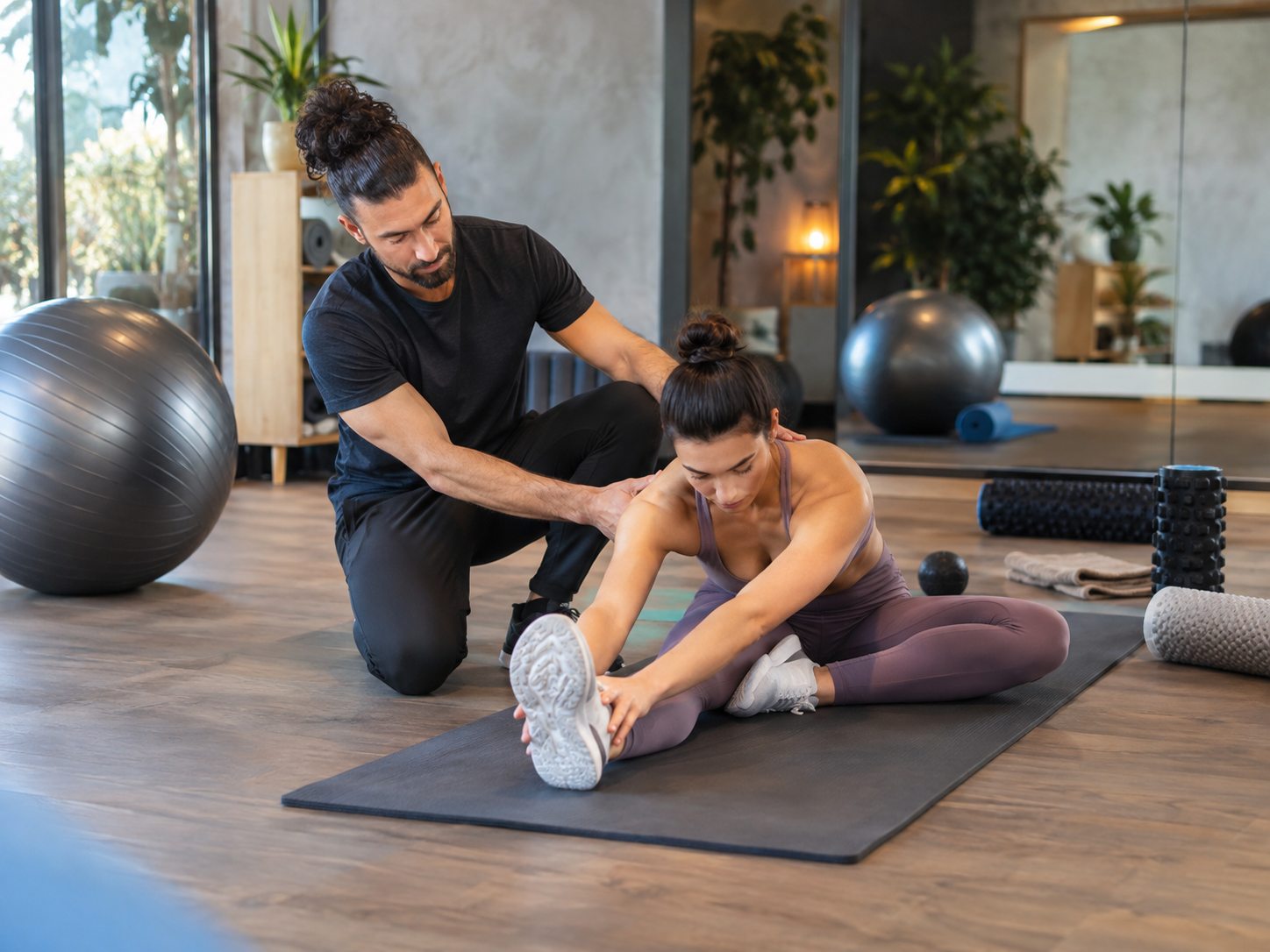
Fitness routines often focus on strength, endurance, and flexibility, but coordination is another important part of moving well. From catching a ball to climbing stairs or changing direction while walking, everyday activities require different parts of the body to work together. Improving this ability can help make physical tasks feel smoother and more controlled.
Coordination training is not just for athletes or people who participate in sports. It can benefit beginners, experienced gym-goers, and anyone who wants to move with greater control during exercise and daily activities. Adding a few simple coordination exercises to your routine can make workouts more varied while developing skills that support an active lifestyle.
What Is Coordination Training?
Coordination training involves practicing movements that require your muscles, joints, and nervous system to work together. These movements may involve balancing, changing direction, controlling your limbs, or responding to visual and physical cues. The goal is to improve how efficiently you perform a movement rather than simply increasing how much weight you can lift.
Unlike isolated strength exercises, coordination activities often require several actions to happen together. For example, stepping over obstacles while maintaining balance requires awareness of your surroundings, control of your legs, and adjustments in your posture. Repeating manageable movement patterns can help you become more familiar and confident with these tasks.
Coordination is also a skill that can be practiced at different fitness levels. Beginners can start with simple movements performed slowly, while more experienced exercisers can introduce additional challenges as their control improves.
How Coordination Supports Everyday Movement
Many daily activities involve more than one movement at a time. Walking across uneven ground, carrying shopping bags, reaching for an object, or navigating a crowded space requires your body to respond to changing positions and surroundings. Practicing coordinated movements can help you develop better control during these tasks.
Regular movement coordination exercises can also complement strength and balance training by encouraging you to control how your body moves through space. Rather than focusing only on completing repetitions, you learn to pay attention to timing, posture, and the relationship between different parts of your body.
These skills may be especially useful when returning to exercise after a break or learning unfamiliar movements. Start with comfortable exercises and gradually increase their complexity as your technique improves.
Coordination Training Can Make Workouts More Versatile
Adding coordination exercises can introduce variety without requiring complicated equipment. You can practice many movements at home, outdoors, or in a gym, making this type of training relatively easy to fit into different routines.
Consider incorporating exercises such as:
-
Marching in place: Lift one knee at a time while maintaining an upright posture and a controlled rhythm.
-
Opposite arm and leg movements: Practice moving the opposite arm and leg together, starting slowly until the pattern feels natural.
-
Step-and-reach exercises: Step in different directions while reaching with the opposite hand, keeping your movements comfortable and controlled.
-
Cone or marker drills: Walk around floor markers in a planned pattern to practice changing direction.
-
Controlled balance movements: Stand near a stable support and practice shifting your weight or lifting one foot briefly, if safe for your ability level.
Focus on accuracy before speed. If an exercise becomes difficult to control, simplify the movement or reduce the pace. The aim is to develop better movement quality, not to finish as quickly as possible.
The Connection Between Coordination, Strength, and Balance
Coordination works alongside other fitness abilities rather than replacing them. Strength helps you produce force, balance helps you maintain stability, and coordination helps organize movements into controlled actions. Developing these areas together can create a more well-rounded fitness routine.
For example, a step-up exercise requires enough leg strength to lift your body, balance to remain steady, and coordination to place your foot correctly. As you become comfortable with the basic movement, you may be able to perform it with greater control or adapt it to your training goals.
However, coordination training alone does not guarantee improved strength or prevent injuries. Its value depends on the exercises you choose, how consistently you practice, and whether the activities suit your needs. Combining coordination drills with appropriate strength, aerobic, and mobility work provides a broader approach to fitness.
How to Add Coordination Exercises to Your Routine
You do not need to devote an entire workout to coordination. For many people, a few minutes at the beginning of a session can be a practical starting point. Choose one or two exercises, practice them with attention, and progress only when you can perform them comfortably.
Here are some useful guidelines:
-
Begin with familiar movements: Choose simple patterns before attempting complicated footwork or rapid direction changes.
-
Prioritize control: Move slowly enough to maintain good posture and accurate foot placement.
-
Practice consistently: Brief sessions repeated regularly can help you become more familiar with movement patterns.
-
Adjust the challenge: Add changes in direction or rhythm gradually, rather than making several adjustments at once.
-
Use a suitable environment: Keep the floor clear, wear appropriate footwear, and use stable support when needed.
If you are new to exercise or have difficulty with balance, choose supported movements and seek guidance from a qualified fitness professional when appropriate. A trainer can help you select exercises that match your current ability and long-term goals.
Make Coordination Part of a Balanced Fitness Plan
A well-rounded routine should develop more than one physical skill. Strength training, aerobic activity, mobility work, and coordination exercises can each contribute something different to how you move and feel. The right combination depends on your fitness level, preferences, and everyday responsibilities.
Start by adding a small coordination exercise to a workout you already perform. Pay attention to how comfortably you complete the movement, then make gradual adjustments as your control improves. There is no need to master complicated drills immediately.
Coordination training deserves a place in your routine because movement quality matters in both exercise and everyday life. With regular practice and an appropriate level of challenge, you can build a more varied fitness program that supports controlled, confident movement over time.

 Հայերեն
 French
 Deutsch
 Русский
 Greek