


How to Choose a High-Quality 100% Cashmere Sweater
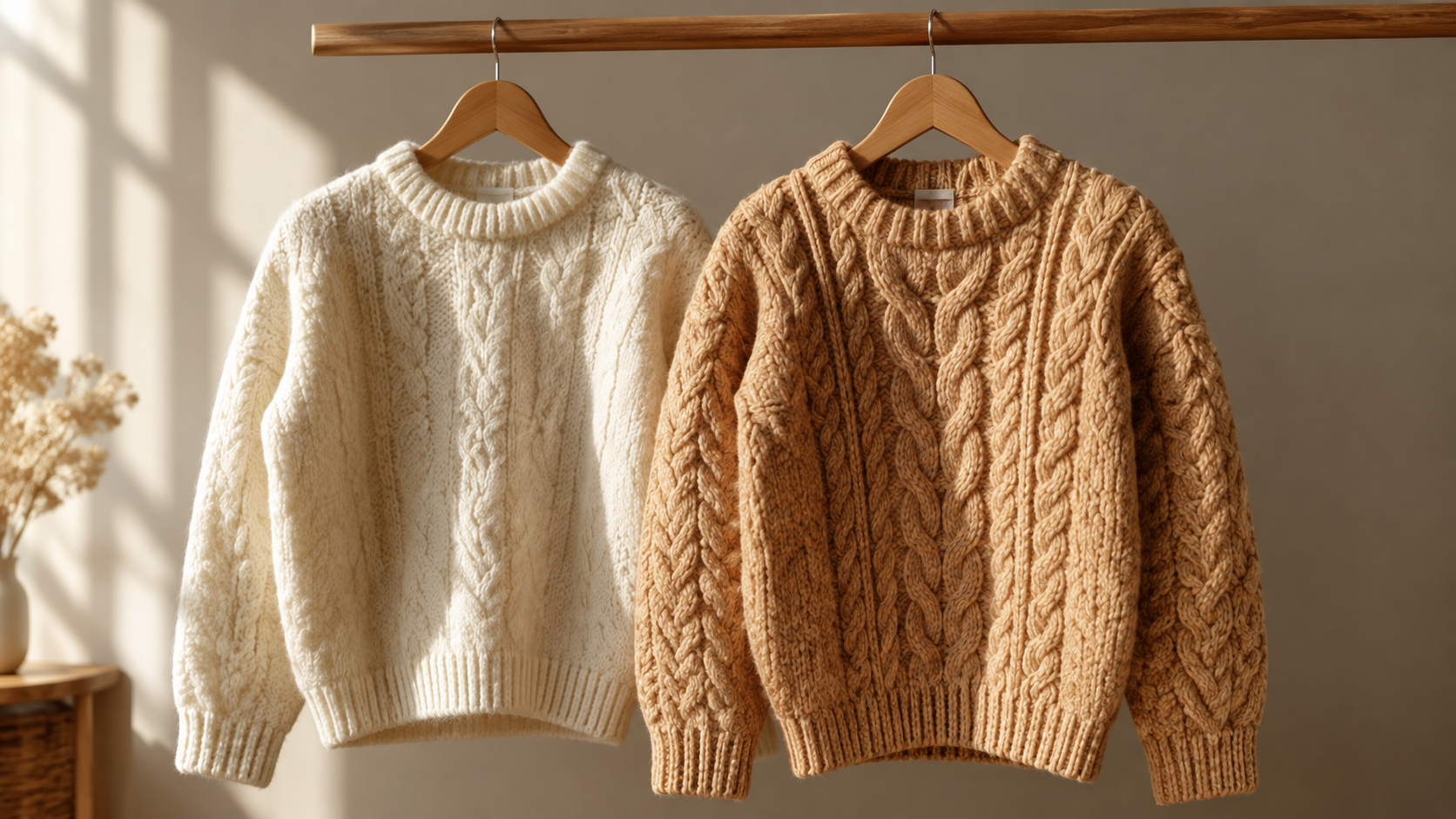
Choosing a cashmere sweater is about more than finding a soft fabric or selecting an attractive design. A high-quality sweater should provide lasting comfort, reliable warmth, a flattering fit, and enough durability to remain a useful part of your wardrobe for years. Cashmere is valued for its fine natural fibers, lightweight feel, and insulating properties, but not every garment sold as cashmere offers the same level of quality. Differences in fiber selection, yarn construction, knitting techniques, finishing, and garment care can significantly influence how a sweater feels and performs over time.
Understanding these differences makes shopping easier and helps you make a more informed decision. Whether you are buying your first cashmere sweater or adding another piece to an established wardrobe, learning how to evaluate the material and construction can help you recognize genuine value. Instead of relying entirely on a brand name, price tag, or product photograph, focus on the details that determine how the garment will feel, fit, and age with regular use.
Understand What 100% Cashmere Means
The first step is understanding the difference between fiber content and overall product quality. Cashmere comes from the fine insulating undercoat of cashmere goats. These fibers are valued for their softness and ability to provide warmth without the heavier feel associated with some other natural materials. When a sweater is labeled 100% cashmere, the claim refers to its stated fiber composition, subject to applicable textile labeling rules. However, this label does not automatically guarantee that the sweater uses the finest fibers or has been manufactured to a high standard.
Two sweaters can carry the same fiber-content label while differing considerably in durability, texture, density, and shape retention. One may be made with carefully selected fibers and well-constructed yarn, while another may use shorter fibers or a looser knit. Both could feel soft when new, but their performance after repeated wear may be very different. This is why shoppers should evaluate the complete garment rather than assuming that a 100% cashmere label tells the entire story.
Before purchasing, read the product description carefully and look for clear information about the material, construction, fit, care instructions, and manufacturing standards. If a retailer provides details about fiber origin or quality testing, consider that information alongside the physical characteristics of the sweater. Transparent product information helps you understand what you are buying and makes it easier to compare different options.
Evaluate the Softness and Feel of the Fabric
Softness is one of the main reasons people choose cashmere, but it should not be the only quality indicator. A well-made sweater generally feels comfortable against the skin and does not have an excessively rough or irritating surface. If you can inspect the garment in person, gently run the fabric across the back of your hand or touch it against your neck to assess its comfort. Avoid judging the material solely by pressing it between your fingertips because different finishes can make a fabric feel softer than it may be during actual wear.
The finest cashmere fibers are typically thinner and can create a smoother, more luxurious texture. Fiber length also matters because longer fibers can help produce stronger yarn with fewer loose ends. These characteristics influence the finished fabric's feel and its tendency to develop pills. Unfortunately, shoppers cannot reliably determine fiber diameter or length through touch alone, so manufacturer specifications and credible quality information can be useful when available.
It is also important to understand that extreme softness does not always indicate superior quality. Some finishing processes can make a sweater feel exceptionally soft at first while leaving a fuzzy surface that may develop pills with use. A good sweater should combine softness with a balanced structure, rather than feeling unusually flimsy or losing its form after gentle handling. Consider comfort, fabric density, and construction together for a more realistic assessment.
Check Fiber Quality and Yarn Construction
Fiber quality is one of the most important factors affecting the performance of a cashmere sweater. Finer fibers usually feel softer, while longer fibers can contribute to yarn strength and help reduce excessive pilling. In textile specifications, fiber diameter is measured in microns, and high-quality cashmere commonly uses particularly fine fibers. However, there is no single measurement that guarantees a perfect sweater because yarn spinning, knitting, finishing, and garment construction also affect the final result.
When product information is available, look for specific details rather than relying entirely on broad marketing terms such as premium or luxury. A seller that explains its material sourcing, yarn characteristics, or quality-control process gives shoppers more useful information than a listing containing only attractive photographs and general claims. If these details are not provided, you can still examine other features, including the fabric's density, seam quality, and ability to retain its shape.
Yarn construction also deserves attention. Ply refers to the number of yarn strands twisted together to create the yarn used in knitting. A two-ply yarn, for example, combines two strands and can provide a useful balance of structure, warmth, and everyday wearability. Single-ply garments can be appropriate for lightweight designs, while higher-ply constructions may create thicker sweaters. More plies do not automatically mean better quality, so consider whether the construction suits the garment's intended use.
Inspect the Knit Density and Overall Structure
The way a sweater is knitted affects its appearance, comfort, and durability. A well-constructed garment should have a consistent surface, reasonably even stitches, and no obvious weak areas or unexpected gaps. When shopping in person, hold the sweater toward a light source to see how open the knit appears. Some lightweight cashmere designs are intentionally made with an open structure, so visible light is not automatically a sign of poor quality. The important consideration is whether the density matches the design and intended purpose.
A denser knit may offer better structure and help the sweater maintain its shape, while a lighter knit can be useful for layering indoors or wearing during milder weather. Think about how you intend to use the garment before choosing its thickness. If you need a sweater for cold outdoor conditions, a more substantial construction may be practical. If you want a piece to wear beneath a jacket, a lighter design may be more comfortable and versatile.
Pay attention to the collar, cuffs, and hem as well. Ribbed sections should look even and feel reasonably resilient. Gently stretching a cuff and allowing it to return to its original position can provide a basic indication of its recovery, although this simple check cannot guarantee long-term durability. Uneven stitching, loose threads, poorly finished edges, or visibly distorted sections deserve closer inspection before you purchase the garment.
Choose the Right Fit and Sweater Style
Even the finest material will not provide the best experience if the sweater does not fit properly. Start by considering how you want to wear it. A regular-fit sweater can work well with jeans, tailored trousers, and everyday outfits, while a relaxed or oversized style may be more suitable for casual layering. Slimmer designs can fit neatly beneath coats and structured jackets, provided they allow comfortable movement around the shoulders and arms.
Pay attention to the shoulder seams, sleeve length, body length, and neckline. The shoulders should generally align with your intended fit, and the sleeves should not restrict movement or feel excessively loose. The body should provide enough room to sit, reach, and move without creating uncomfortable pulling around the chest or waist. If you are shopping online, compare the retailer's garment measurements with a sweater you already own and like rather than depending only on a size label.
Style is another important consideration because a versatile sweater can be worn in several settings. Crewneck designs offer a classic everyday appearance, while V-neck sweaters can pair easily with collared shirts. Turtlenecks provide additional coverage around the neck, and cardigans offer flexibility when temperatures change throughout the day. Choosing a style that fits your existing wardrobe increases the likelihood that you will wear the sweater regularly.
Compare Price With Quality and Long-Term Value
Cashmere sweaters are available at a wide range of prices, and the most expensive option is not automatically the best one. Price can reflect fiber selection, manufacturing location, construction quality, design, distribution costs, and brand positioning. A higher price may be justified by better materials or craftsmanship, but it can also include a significant brand premium. Similarly, a lower-priced sweater may offer good value if its construction and material quality meet your needs.
When comparing options, consider the total value rather than the initial cost alone. A sweater that retains its shape, remains comfortable, and works with several outfits may provide better long-term value than a cheaper garment that requires frequent replacement. Look at the return policy, care instructions, customer feedback, and available product specifications before making a decision. Reviews can help identify recurring concerns about sizing or pilling, but individual experiences should not be treated as definitive proof of quality.
You can explore different styles and material options through this 100% cashmere sweater collection. Compare the available designs according to their construction, fit, and intended use, then select the option that best matches your preferences and wardrobe requirements.
Learn How to Care for Cashmere Properly
Good care is essential for preserving the appearance and useful life of a cashmere sweater. Even a well-made garment can stretch, shrink, or develop excessive surface wear if it is cleaned incorrectly. Always read the manufacturer's care label before washing because recommended methods can vary according to the knit, finishing, and construction. When handwashing is permitted, use cool water and a gentle detergent designed for wool or cashmere. Move the garment carefully through the water without rubbing, twisting, or wringing the fibers.
After washing, remove excess moisture by gently pressing the sweater between clean towels. Reshape it while damp and allow it to dry flat on a clean surface, away from direct heat. Hanging a wet cashmere sweater can cause it to stretch under its own weight, particularly around the shoulders and body. Avoid using a tumble dryer unless the garment's care instructions specifically permit it.
Pilling is another common concern. Small fiber balls can develop when loose fibers become tangled through friction, especially around the underarms, sides, and areas that rub against bags or coats. Some pilling is normal and does not automatically mean that the sweater is poor quality. Remove pills carefully with a suitable cashmere comb or fabric tool, following its instructions to avoid damaging the knit. Store sweaters folded rather than hanging them, and keep them clean and protected from moths when not in use.
Make a Confident and Informed Purchase
Choosing a high-quality cashmere sweater becomes easier when you know which details matter. Start by verifying the stated fiber content, then evaluate softness, available fiber information, yarn construction, knit density, seams, ribbing, fit, and care requirements. No single feature can guarantee quality, but examining these characteristics together provides a more reliable basis for comparison.
It is equally important to match the sweater to your lifestyle. Consider the climate, how often you expect to wear it, whether you need a lightweight layer or a warmer knit, and which styles complement your existing clothes. A thoughtfully selected sweater can serve as a versatile wardrobe staple rather than an occasional purchase that remains unworn.
Ultimately, the best 100% cashmere sweater is not necessarily the most expensive or the softest garment you can find. It is the one that combines suitable materials, sound construction, comfortable fit, practical design, and manageable care requirements. By looking beyond marketing claims and making an informed comparison, you can choose cashmere knitwear with greater confidence and enjoy its comfort and versatility for many seasons.

 Հայերեն
 English
 French
 Deutsch
 Greek