


The Real Cost of Keeping a Second Car in Edmonton (And When It's Time to Let It Go)
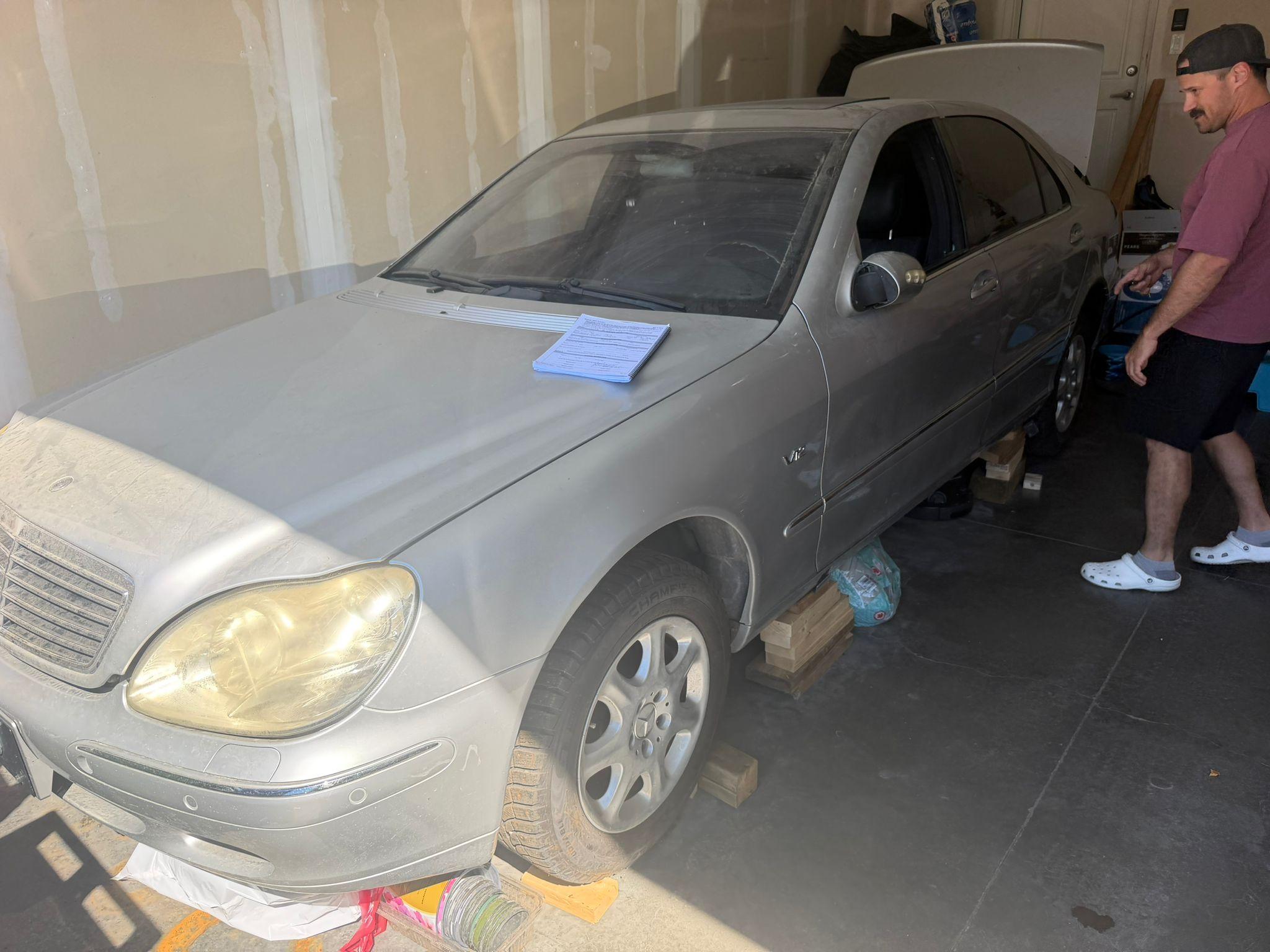
Plenty of Edmonton households have one: the second car. It used to be the commuter, or the teenager's first car, or the backup for when the main vehicle was in the shop. Now it mostly sits in the driveway, gets started once a week in winter, and quietly costs money every single month.
Most people never add up what that car actually costs, because the bills arrive separately and at different times of year. This guide does the adding for you, shows where the money goes in an Edmonton climate, and gives you a simple test for deciding whether to keep it, park it properly, or sell it.
Why Second Cars Pile Up in Edmonton
Edmonton is a big, spread-out city built around driving. When both adults commuted — one up the Henday, one across the Yellowhead — two vehicles made sense. Then life changed. Someone started working from home, a teenager left for school, a job moved closer to an LRT line, or a household simply realised it rarely needed both cars on the same day.
The second car didn't stop costing money when it stopped being needed. It just stopped being noticed.
Where the Money Actually Goes
Insurance
Insurance is usually the biggest fixed cost, and it doesn't shrink much just because the car is driven less. For many Edmonton drivers it runs to well over a thousand dollars a year on a single vehicle, and more for younger drivers or recent claims.
Registration
Alberta registration renews every year whether the car moves or not. It's not huge on its own, but it's another automatic charge on a vehicle doing very little.
Winter-specific costs
Edmonton winters add costs that other cities don't see. A second set of winter tires every few years. Block heater electricity on cold nights. A battery that gives out sooner because the car is only started occasionally and sits through deep freezes. If the car is parked outside, there's also the time and hassle of clearing it after every snowfall so you don't get caught by a parking ban.
Maintenance that happens anyway
Cars that sit still don't stop ageing. Fluids break down, seals dry out, brakes rust onto rotors, and tires develop flat spots and cracks. Mice love a quiet engine bay in winter, and chewed wiring can turn a cheap vehicle into a costly one overnight.
Parking
If you live in a condo or apartment, a second stall can be a monthly bill in itself. Even with a driveway, a car that hasn't moved in months can attract neighbour complaints, and a vehicle left on a public street for more than 72 consecutive hours can be treated as abandoned under city rules.
Depreciation
This is the one nobody sees. Every season the car sits, it's worth a little less. On an older vehicle, the drop from one winter to the next can easily be several hundred dollars.
A Sample Annual Cost Breakdown
Your numbers will differ, but here's what a typical lightly used second car in Edmonton might cost over a year. Swap in your own figures to see where you land.
|
Cost |
Example yearly amount |
Your number |
|
Insurance |
$1,200 – $1,800 |
|
|
Registration |
About $100 |
|
|
Battery, tires and winter wear (spread over years) |
$200 – $400 |
|
|
Routine maintenance and surprise repairs |
$300 – $800 |
|
|
Parking (if you pay for a stall) |
$0 – $1,200 |
|
|
Depreciation |
$300 – $1,000 |
|
|
Total |
Roughly $2,100 – $5,300 |
|
For a car that's driven a few hundred kilometres a month, that can work out to a very expensive cost per trip. That's often the moment people realise a taxi, a car-share, or simply sharing one car would cost far less.
The Keep, Park or Sell Test
Answer these honestly:
1. Has the second car been driven more than twice a week over the last three months?
2. Would losing it actually change how your household gets around, or would you adjust within a week?
3. Is a major repair, new tires or a new battery coming in the next year?
4. Is the car worth less than about two years of its own running costs?
If you answered "no" to the first two and "yes" to either of the last two, the car is probably costing more than it gives back.
Option 1: Keep It, but Cut the Costs
If you genuinely need the car occasionally — a second driver's shift work, a cabin trip, a backup for winter — there are ways to keep it cheaper:
• Ask your insurer about lower coverage for a vehicle that's parked for long stretches. Some insurers allow reduced coverage while a car is in storage, but never drive it while coverage is reduced.
• Keep a battery maintainer on it through winter so it starts when you need it.
• Park it in a garage if you can, to protect it from the cold, rodents and theft.
• Start it and drive it properly — at least 20 minutes — every couple of weeks, not just idle it in the driveway.
Option 2: Sell It Privately
If the second car is fairly new, runs well and looks clean, a private sale will usually bring the highest price. Be ready for the work: photos, an honest ad, viewings, test drives and careful handling of payment. Never hand over keys until the money is confirmed in your own bank account — not just in an email or text.
Option 3: Sell It to a Cash Buyer
If the car is older, has high kilometres, needs work, or hasn't run since the last cold snap, a private sale gets hard quickly. That's where a local buyer offering cash for cars Edmonton services is often the easiest way out: one quote over the phone, free towing, and payment at pickup — no ads, no strangers, no test drives. The car stops costing you money the same day.
Before You Sell, Don't Forget the Refunds
Two pieces of money people often leave on the table:
• Insurance. If you prepaid your policy, cancelling it after the sale may bring a refund for the unused months. Call your insurer the same day the car goes.
• Registration. Take your licence plate and a copy of the bill of sale to a registry agent to cancel or transfer the registration. Ask whether you're eligible for a refund of any unused portion.
And remember: in Alberta the licence plate belongs to you, not the car. Take it off before the vehicle leaves your driveway.
Common Questions
Is it cheaper to keep an old second car than buy a newer one later?
Not always. Once you add insurance, registration, repairs and depreciation, keeping an unused car for two or three years can cost as much as a good used vehicle would when you actually need one.
Can I just leave it parked on my street?
Not for long. A vehicle left on a public street for more than 72 consecutive hours can be treated as abandoned, and it also gets in the way of snow clearing and parking bans.
What if the car doesn't run anymore?
It still has value. Cash buyers routinely buy non-running vehicles and tow them away for free.
The Bottom Line
A second car that's genuinely used earns its keep. One that mostly sits in the snow is quietly costing your household thousands of dollars a year. Add up your own numbers using the table above, run the keep-park-sell test, and make the decision on purpose rather than by default.

 English
 French
 Deutsch
 Русский
 Greek
Greek