


Everything You Need to Know About Custom Packaging Boxes
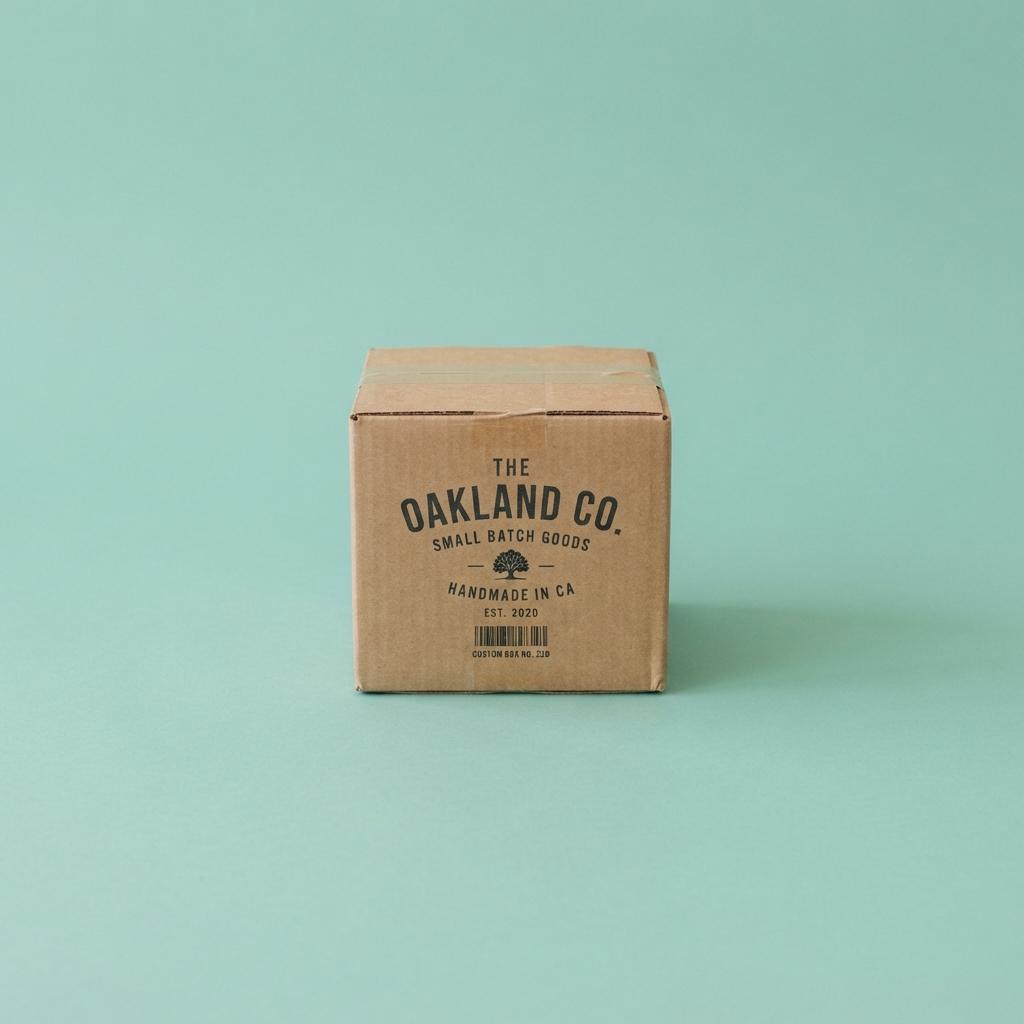
Packaging is often the first thing customers notice when they receive a product. A well-designed box can protect the product, communicate a brand’s identity, and create a memorable unboxing experience. This is why custom packaging boxes have become an important part of product presentation for businesses of all sizes.
Unlike standard boxes, custom packaging is designed according to a product’s size, shape, branding, and specific requirements. From small cosmetic boxes to large retail packaging, businesses can choose different styles, materials, printing methods, and finishes to create packaging that fits their products and brand.
What Are Custom Packaging Boxes?
Custom packaging boxes are boxes made specifically for a particular product or brand. Businesses can customize the box dimensions, structure, colors, artwork, materials, and finishing options.
For example, a cosmetics brand may choose a small printed box with a premium finish, while an e-commerce company may prefer a durable custom mailer box. Food brands can use window boxes to display their products, while luxury brands may choose rigid boxes for a more premium presentation.
The main purpose is to create packaging that is practical while also representing the product and brand.
Why Do Businesses Use Custom Packaging?
Custom packaging does more than hold a product. It can support several important business goals.
Protect Products
The right packaging helps keep products safe during storage, handling, and shipping. Strong materials and properly fitted box structures can reduce the risk of damage.
Build Brand Recognition
Colors, logos, typography, and other brand elements can be printed directly onto the packaging. Consistent packaging helps customers recognize a brand more easily.
Create a Better Unboxing Experience
Attractive packaging can make receiving a product feel more special. Details such as custom artwork, inserts, premium finishes, and well-fitted structures can improve the overall customer experience.
Support Product Presentation
Packaging can help a product stand out on retail shelves, online product photos, or during delivery. A carefully designed box gives businesses another opportunity to communicate their product's value.
Provide Product-Specific Protection
Different products require different packaging solutions. Custom sizing can help prevent unnecessary movement inside the box and provide a better fit.
Popular Types of Custom Packaging Boxes
There are many packaging styles available, and the right choice depends on the product, industry, budget, and intended customer experience.
Tuck End Boxes
Tuck end boxes are versatile and commonly used for retail products, cosmetics, food items, and other consumer goods. Their simple opening and closing structure makes them practical for everyday packaging.
Mailer Boxes
Custom mailer boxes are commonly used for e-commerce and subscription products. They are designed for shipping and can provide both protection and a branded presentation when customers open their packages.
Rigid Boxes
Rigid boxes are made from thick, sturdy board and are often associated with premium products. They can be used for cosmetics, electronics, jewelry, gifts, and luxury products.
Display Boxes
Display boxes are designed to present products attractively. They can be useful for retail environments where product visibility and presentation are important.
Window Boxes
Window boxes include a transparent section that allows customers to see the product without opening the package. They are popular for food, cosmetics, gifts, and retail products.
Gable Boxes
Gable boxes feature a built-in handle and are commonly used for food, gifts, events, and takeaway products. Their convenient shape also gives brands an additional area for printing.
Common Materials for Custom Packaging
Choosing the right material is an important part of packaging design. Different materials provide different levels of strength, appearance, flexibility, and sustainability.
Kraft
Kraft packaging has a natural appearance and is often selected by brands that want an earthy or environmentally conscious look. It works well for food, cosmetics, handmade products, and retail packaging.
Cardboard
Cardboard is lightweight, versatile, and suitable for a wide range of products. It can be printed with detailed graphics and customized into different box styles.
Corrugated Board
Corrugated packaging provides additional protection because of its layered construction. It is commonly used for shipping boxes and products that need extra protection during transportation.
Rigid Board
Rigid board offers a sturdy and premium feel. It is frequently used for luxury packaging where presentation and durability are major considerations.
Custom Printing Options
Printing is one of the most important parts of custom packaging because it brings a brand's visual identity to the box.
Digital Printing
Digital printing is suitable for detailed designs, vibrant artwork, and smaller production quantities. It can be a practical choice for brands testing new packaging designs.
Offset Printing
Offset printing is commonly used for larger quantities and can provide consistent, high-quality results across packaging runs.
Spot UV
Spot UV adds a glossy finish to selected areas of the packaging. Brands can use it to highlight logos, patterns, text, or other important design elements.
Foil Stamping
Foil stamping can create a metallic appearance that adds a premium touch to packaging. It is often used for logos, product names, and decorative elements.
Embossing
Embossing creates a raised effect on selected parts of the box. It can add texture and make important design elements more noticeable.
Matte and Gloss Lamination
Lamination adds a protective layer to the printed surface while also affecting the overall appearance. Matte provides a softer finish, while gloss creates a more reflective look.
How to Choose the Right Custom Packaging Box
Selecting packaging should start with the product itself. Consider its size, weight, shape, fragility, and how it will be transported.
You should also think about your target customers and brand identity. A premium beauty brand may need a different packaging style than a casual food business or an e-commerce store.
Consider these factors before making a final decision:
- Product dimensions and weight
- Required level of protection
- Box style and opening mechanism
- Material requirements
- Printing needs
- Finishing options
- Shipping requirements
- Production quantity
- Budget
- Brand appearance
- Sustainability goals
A good packaging solution balances appearance, functionality, protection, and cost.
Custom Packaging for Different Industries
Custom packaging boxes can be adapted to many industries and product categories.
Beauty and Cosmetics: Lip gloss, eyeliner, creams, soaps, skincare products, and other cosmetics can benefit from attractive branded boxes.
Food and Bakery: Bakery boxes, food boxes, takeaway packaging, and window boxes can combine product protection with strong visual presentation.
Fashion and Apparel: Clothing, accessories, shoes, and fashion products can use custom packaging to create a consistent brand experience.
Electronics: Electronics packaging may require stronger materials and protective inserts to help keep products secure.
Gifts: Custom gift boxes can use premium materials, decorative finishes, and personalized designs to create a memorable presentation.
Benefits of Investing in Custom Packaging
Custom packaging can provide value beyond simply holding a product. It can help businesses create a consistent brand experience while improving product presentation.
A well-designed package can also make products more recognizable and help businesses create a stronger visual identity across their product range.
For e-commerce businesses, packaging becomes even more important because customers often experience the brand through the package that arrives at their door.
Sustainable Custom Packaging
Sustainability is another consideration when selecting packaging. Many businesses are looking for materials and packaging structures that can reduce unnecessary waste.
Options such as recyclable paperboard, kraft materials, and appropriately sized boxes can support more responsible packaging strategies. Businesses should consider the entire packaging process, including material sourcing, production, shipping, use, and disposal.
Choosing the right amount of packaging is also important. A box that is appropriately sized for the product can help reduce excess material and unnecessary shipping space.
Final Thoughts
Custom packaging boxes give businesses the flexibility to create packaging that fits their products and brand. From mailer and tuck end boxes to rigid, display, and window boxes, there are solutions for different products, industries, and budgets.
The right combination of box style, material, printing, and finishing can help protect products while creating a stronger presentation and customer experience. Before placing an order, consider your product requirements, brand identity, customers, shipping needs, and budget.
Frequently Asked Questions
1. What are custom packaging boxes?
Custom packaging boxes are boxes designed specifically for a product or brand. They can be customized in terms of size, shape, material, printing, colors, and finishing options.
2. Why should businesses use custom packaging boxes?
Custom packaging can help protect products, strengthen brand identity, improve product presentation, and create a better customer unboxing experience.
3. What types of custom packaging boxes are available?
Popular options include tuck end boxes, mailer boxes, rigid boxes, display boxes, window boxes, and gable boxes. The best style depends on the product and its packaging requirements.
4. Which materials are used for custom packaging boxes?
Common materials include kraft, cardboard, corrugated board, and rigid board. Each material offers different levels of durability, appearance, and flexibility.
5. Can I print my logo on custom packaging boxes?
Yes. Custom boxes can include logos, brand colors, product information, graphics, patterns, and other design elements.
6. What printing options are available for custom boxes?
Common options include digital printing, offset printing, spot UV, foil stamping, embossing, and matte or gloss lamination.
7. How do I choose the right custom packaging box?
Consider your product's size, weight, shape, fragility, shipping requirements, brand identity, budget, and desired presentation before selecting a box style and material.
8. Are custom packaging boxes suitable for e-commerce businesses?
Yes. Custom mailer boxes and shipping boxes are popular for e-commerce because they can provide product protection while creating a branded delivery experience.
9. Can custom packaging boxes be eco-friendly?
Yes. Businesses can choose materials such as kraft and recyclable paperboard and use appropriately sized packaging to help reduce unnecessary material and waste.
10. Can custom boxes be made in different sizes?
Yes. Custom packaging can be produced in different dimensions to provide a suitable fit for different products.
11. Are custom packaging boxes suitable for small businesses?
Yes. Custom packaging can help small businesses create a professional brand presentation and provide customers with a more memorable product experience.

 Հայերեն
 English
 French
 Русский
 Greek
Greek