


What Age Should Kids Start Gymnastics in Dubai Silicon Oasis
Choosing the right age for a child to begin gymnastics can be confusing for parents. Some children show an interest in movement and sports at a very young age, while others need more time before they feel comfortable in a structured class. The good news is that there is no single age that works for every child.
For families living in Dubai Silicon Oasis, Grace Gymnastics Dubai provides age-appropriate training designed to help children develop their skills gradually. The focus should not only be on starting early, but also on finding a program that matches a child's age, confidence, physical development, and interest.
What Is the Right Age to Start Gymnastics in Dubai Silicon Oasis?
For many children, gymnastics can begin during the preschool years. Beginner programs commonly introduce children to movement, balance, coordination, flexibility, and basic gymnastics positions before progressing to more advanced skills.
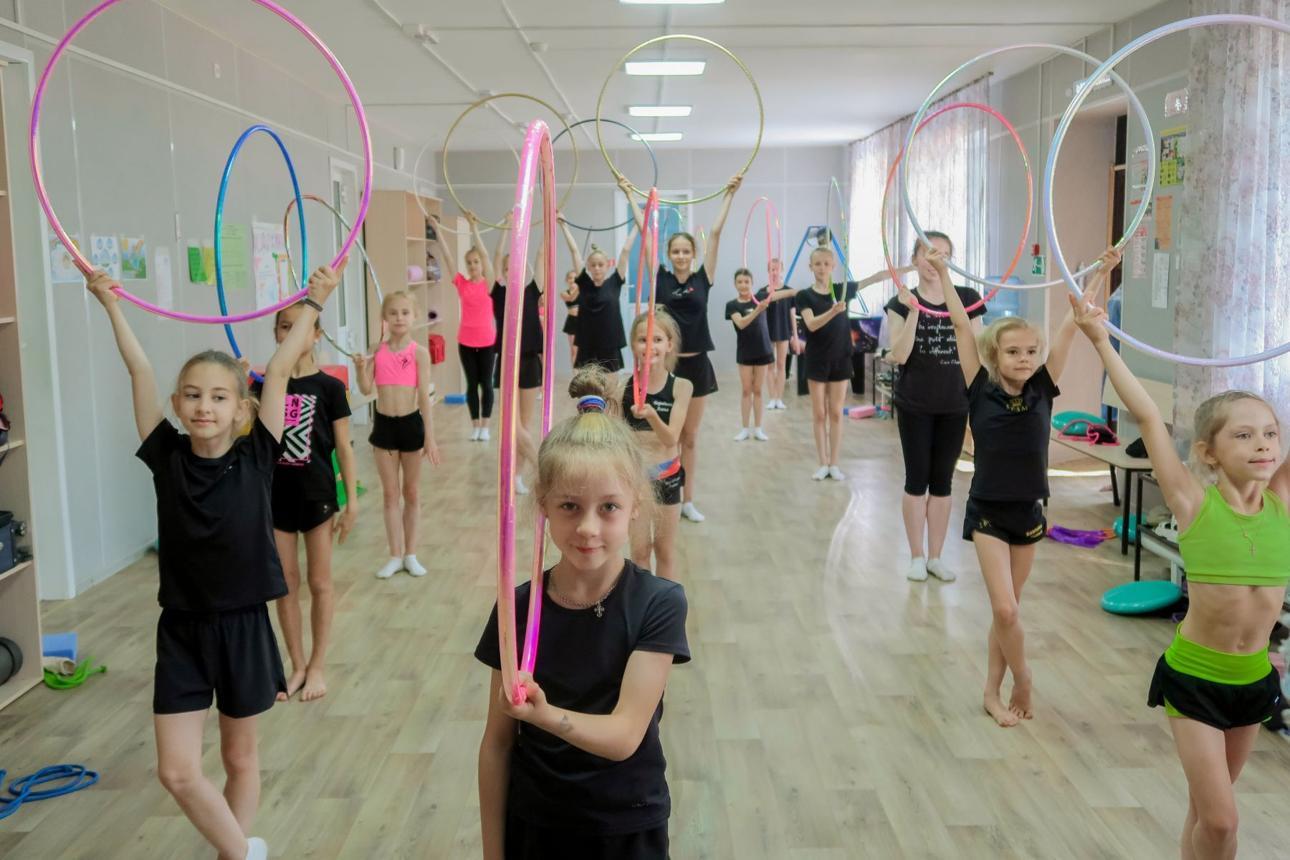
At Grace Gymnastics Dubai's Dubai Silicon Oasis location, beginner rhythmic gymnastics programs are designed for girls around 4 to 6 years old. This age range can be a suitable starting point for children who are ready to participate in a structured class and follow simple instructions.
However, parents should not feel that their child has missed the right age if they are older. Children can begin gymnastics at different stages, and beginner programs can help older children develop fundamental skills without requiring previous experience.
Why Preschool Age Can Be a Good Time to Begin
The preschool years are an important period for developing basic movement skills. Children naturally enjoy activities that involve running, jumping, balancing, climbing, and moving in different directions.
A well-structured gymnastics class can turn these natural movements into controlled exercises.
At this stage, the purpose should be learning through movement rather than focusing heavily on competition. Children can gradually become familiar with coaches, equipment, class routines, and other students.
A suitable program can help children work on:
-
Balance and body control
-
Basic coordination
-
Flexibility
-
Strength and stability
-
Listening and following instructions
-
Confidence in physical activities
-
Awareness of safe movement
These foundations can make it easier for children to progress when they become more experienced.
How Can Parents Tell If Their Child Is Ready?
Age is only one part of the decision. A child's readiness is also important.
A child may be ready to start when they can follow simple instructions, participate in a group environment, and show some interest in physical activity. They do not need to already be flexible or able to perform gymnastics skills.
Parents can look for a few simple signs.
Your Child Enjoys Movement
If your child enjoys jumping, stretching, balancing, dancing, or trying different movements, they may enjoy an introductory gymnastics program.
Your Child Can Follow Simple Instructions
Gymnastics involves listening to the coach and following basic directions. A child does not need perfect attention, but being able to respond to simple instructions can make the first class easier.
Your Child Is Comfortable in a Group
Some children immediately enjoy group activities, while others take time to adjust. If your child is nervous, a supportive beginner class can help them become comfortable gradually.
Your Child Wants to Try
Interest matters. When children are genuinely curious about gymnastics, they are often more willing to participate, practise, and learn.
Does a Child Need Previous Gymnastics Experience?
No. Beginner gymnastics programs are designed for children who are starting from the beginning.
A child does not need to know how to perform a cartwheel, split, handstand, or other advanced movement before joining a beginner class.
Coaches can introduce fundamental movements step by step. This allows children to develop strength and coordination before attempting more difficult skills.
For parents, this is important because comparing a beginner child with an experienced gymnast can create unnecessary pressure. Every child should be allowed to progress at an appropriate pace.
What Do Younger Children Learn First?
Younger beginners normally start with basic movement and body-awareness activities rather than advanced routines.
Classes may introduce:
-
Walking and moving with control
-
Basic balances
-
Simple jumps
-
Stretching exercises
-
Coordination activities
-
Body positions
-
Safe landings
-
Simple apparatus activities
As children become more comfortable, coaches can gradually introduce more challenging movements.
The goal is to create a strong foundation rather than rush children into advanced skills.
What If My Child Is Older Than Six?
Starting after the preschool years is not necessarily a problem.
Older beginners can still learn gymnastics and develop useful physical skills. In fact, some children may be more comfortable in structured classes because they can understand instructions more easily and remain focused for longer.
The main consideration is placing the child in an appropriate beginner group.
An older child should not automatically be placed with advanced students simply because of their age. Skill level, physical development, confidence, and previous experience should also be considered.
Should Parents Choose Recreational or Competitive Training?
For a child who is just starting, recreational or beginner-level training is usually a sensible place to begin.
The first priority should be learning fundamental skills, becoming comfortable with the training environment, and enjoying the activity.
Competitive training can come later if the child demonstrates interest, consistency, ability, and a desire to train more seriously.
Parents do not need to make a competition decision on the first day. A good coach can observe a child's development over time and discuss possible progression when appropriate.
Why Location Matters for Families in Dubai Silicon Oasis
For children, consistency can be just as important as choosing the right activity.
A convenient location makes it easier for families to maintain a regular schedule. Parents are more likely to keep attending classes when travel time, parking, and pickup arrangements are manageable.
Families in the area can consider a local training option such as Grace Gymnastics Dubai's Silicon Oasis program. The academy's DSO location is designed to provide structured training close to the community, making regular attendance more practical for local families.
What Should Parents Look for in a Children's Gymnastics Program?
The age range of a program is important, but it should not be the only consideration.
Before enrolling your child, parents can ask about:
Coach Experience
Ask about the coaches and their experience working with young beginners. Children need instructors who understand how to teach skills at an age-appropriate level.
Class Structure
Find out how the class is organized. A good beginner session should provide a mixture of instruction, movement, practice, and appropriate rest.
Safety
Check whether the training area and equipment are suitable for children. Coaches should also teach children how to perform movements safely.
Group Size
Smaller or well-managed groups can make it easier for coaches to give children individual attention.
Progression
Ask how children move from beginner skills to more advanced levels. A clear progression system helps parents understand what their child can work toward next.
Trial Opportunities
If available, a trial class can be useful. It allows parents to see how their child responds to the coach, environment, and activities before making a longer commitment.
How Often Should a Beginner Attend?
Beginners do not necessarily need to train every day.
For many children, one or two structured sessions per week can provide a reasonable starting point, depending on the child's age, goals, schedule, and the academy's program.
Younger children may benefit from shorter and less intensive sessions, while older or more experienced gymnasts may eventually train more frequently.
Rest is also important. Children need enough recovery time alongside other activities, school, and free play.
What If My Child Is Nervous About the First Class?
It is completely normal for some children to feel nervous before trying a new activity.
Parents can make the experience easier by explaining what will happen without creating pressure. Instead of telling a child that they need to perform a particular skill, focus on trying something new and having fun.
Arriving a little early can also give the child time to become familiar with the environment.
Most importantly, avoid comparing your child with other children. Confidence develops at different speeds.
When Should Parents Consider More Advanced Training?
A child may be ready for more advanced training when they have developed basic skills, understand class routines, demonstrate consistent participation, and show interest in learning more challenging movements.
Coaches can assess progress and recommend the appropriate next level.
Advancement should be based on development rather than simply age. Two children of the same age can have very different levels of coordination, strength, confidence, and experience.
Frequently Asked Questions
What is the best age to start gymnastics?
Many children can begin during the preschool years. The appropriate starting age depends on the child's readiness, interests, and the structure of the program.
Can a six-year-old start gymnastics for the first time?
Yes. Six-year-olds can begin as beginners if the program has an appropriate entry level. Previous gymnastics experience is not required for a beginner class.
Can older children start gymnastics?
Yes. Older children can also start gymnastics. They should be placed in a class that matches their current ability rather than being expected to perform advanced skills immediately.
Does my child need to be flexible before starting?
No. Flexibility can develop gradually through appropriate exercises and regular training. Children do not need advanced flexibility before joining a beginner program.
Should my child start competitive gymnastics immediately?
Not necessarily. Beginners generally benefit from developing fundamental skills first. Coaches can later recommend a more advanced pathway if the child shows the necessary skills and interest.
Conclusion
There is no universal age at which every child should begin gymnastics. For many children, the preschool years can be a comfortable time to develop basic movement skills, while older beginners can also start successfully with the right level of instruction.
For families in Dubai Silicon Oasis, the most important factors are age-appropriate coaching, safety, class structure, the child's readiness, and enjoyment of the activity. Starting at the right level allows children to build confidence and skills without unnecessary pressure.
Ultimately, age-appropriate gymnastics training gives children a positive foundation from which they can continue developing their physical abilities and confidence.

 Հայերեն
 French
 Deutsch
 Русский
 Greek
Greek