


Commercial Solar Systems: Benefits & Buying Guide
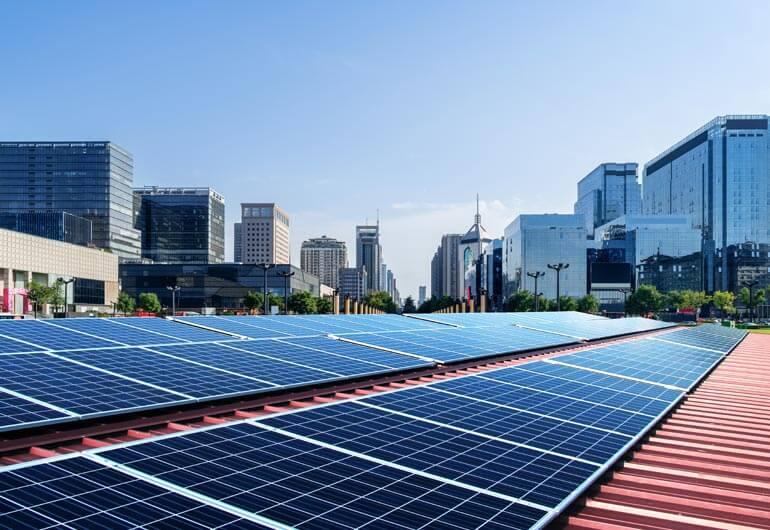
Electricity is an important operating expense for many Australian businesses. Offices, warehouses, factories, retail stores and other commercial properties often use significant amounts of electricity throughout the day. Commercial solar systems allow businesses to generate electricity from sunlight and use it to meet part of their daily energy requirements. With the right system size and design, solar power can help reduce electricity purchases, improve energy management and make better use of available commercial roof space.
What Are Commercial Solar Systems?
Commercial solar systems are solar power systems designed to generate electricity for businesses and commercial properties. They generally use multiple solar panels connected to one or more inverters to convert sunlight into usable electricity.
The electricity generated can be used directly by the business during operating hours. If the system produces more electricity than the business needs at a particular time, the excess may be exported to the electricity grid, depending on the property's connection and energy agreement.
Unlike smaller residential systems, commercial installations are often designed around higher electricity consumption and larger available roof areas. Sunray Power currently lists commercial system options including 20kW, 30kW, 50kW and 100kW systems.
How Do Commercial Solar Systems Work?
The basic operation of a commercial solar system is similar to a residential solar installation, but the equipment and system capacity can be considerably larger.
The process generally works as follows:
- Solar panels capture sunlight during daylight hours.
- The panels generate DC electricity from the sunlight.
- The inverter converts DC electricity into AC electricity suitable for the business.
- The business uses the generated electricity to operate equipment, lighting and other electrical loads.
- Excess electricity may be exported to the grid if it is not required immediately.
For businesses that operate mainly during daylight hours, solar generation can align well with their electricity consumption.
Why Consider Commercial Solar Systems for Your Business?
Reduce Electricity Costs
One of the main reasons businesses consider solar is the opportunity to reduce the amount of electricity purchased from the grid.
When a business uses solar electricity generated on-site, it can reduce its grid electricity consumption during suitable periods. The actual savings depend on the system size, electricity usage, solar generation and electricity tariff.
Make Better Use of Commercial Roof Space
Warehouses, factories, offices and other commercial buildings often have large areas of unused or underused roof space.
Installing solar panels can turn suitable roof space into an electricity-generating asset. However, the roof structure, orientation, shading and available area should be assessed before installation.
Generate Electricity During Business Hours
Many businesses consume a substantial amount of electricity while they are operating during the day. This can include lighting, computers, air conditioning, machinery, refrigeration and other equipment.
Because solar panels generally generate electricity during daylight hours, businesses with daytime energy consumption may be able to use a significant portion of their solar generation directly.
Improve Energy Planning
Electricity prices and business operating costs can make energy budgeting difficult. Generating some electricity on-site can give a business greater control over where part of its electricity comes from.
Solar does not remove the need for grid electricity in every business, but it can reduce reliance on purchased electricity when solar generation is available.
Support Environmental Goals
Solar power generates electricity from sunlight rather than burning fuel at the point of generation. Businesses that have environmental targets or want to reduce their reliance on conventional electricity generation can include solar as part of their energy strategy.
What Size Commercial Solar System Does a Business Need?
There is no standard system size that suits every business.
The appropriate size depends on several factors, including:
- Annual and daily electricity consumption
- Business operating hours
- Daytime electricity usage
- Available roof space
- Roof orientation and pitch
- Shading from nearby structures
- Existing electrical infrastructure
- Budget and investment objectives
- Future energy requirements
For example, a small commercial property may require a smaller system, while a warehouse or manufacturing facility with high electricity consumption may need a significantly larger installation.
Sunray Power's current commercial offering includes systems from 20kW through 100kW, with different panel and inverter configurations for each system size.
The best approach is to review the business's electricity bills and consumption patterns before selecting the system capacity.
What Should Businesses Consider Before Installing Solar?
Choosing a commercial solar system requires more planning than simply selecting a number of panels.
Electricity Consumption
Review how much electricity the business uses and when it uses it. Daytime consumption is particularly important because it can determine how much solar electricity can be used directly.
Roof Space
The available roof area needs to accommodate the planned solar panels while allowing for suitable installation and maintenance access.
Roof Condition
If the roof requires major repairs or replacement, these issues should be considered before installing solar panels. Removing and reinstalling a solar system later can add unnecessary costs.
System Capacity
A larger system is not automatically the right choice. The system should be sized according to the property's electricity requirements, available roof area and expected solar generation.
Inverter Selection
The inverter is a key part of the solar system because it converts the DC electricity produced by the panels into AC electricity used by the business.
Commercial properties may require different inverter configurations depending on the system size and electrical design.
Commercial Solar Systems vs Residential Solar Systems
The basic solar technology is similar, but the application is different.
Residential solar systems are designed around household electricity consumption and typically have smaller system capacities. Commercial systems are generally designed for businesses with higher electricity demand and may use larger solar arrays and more substantial electrical equipment.
The right system for a property depends on its electricity usage, building characteristics and energy requirements rather than simply whether it is labelled residential or commercial.
For businesses operating from mixed-use or smaller premises, an energy assessment can help determine which type of system is appropriate.
Can a Commercial Solar System Include Battery Storage?
Yes. A commercial solar system can be combined with battery storage where the property's energy requirements and electrical setup make it suitable.
A battery can store excess solar electricity and make it available later when solar generation is lower. This can be useful for businesses that continue using electricity after sunset or have specific energy-management requirements.
However, battery storage adds additional equipment and cost. Businesses should assess their electricity consumption pattern and the expected value of storing excess solar energy before adding a battery.
What Is the Commercial Solar Installation Process?
A commercial installation generally begins with an assessment of the property and electricity requirements.
1. Energy Assessment
The installer reviews electricity bills, usage patterns and business operating hours.
2. Site Inspection
The roof, electrical infrastructure, available space and shading conditions are assessed.
3. System Design
The solar panel capacity, inverter configuration and system layout are designed around the property's requirements.
4. Approvals and Documentation
Required approvals, electrical documentation and other project requirements are completed.
5. Installation
Solar panels, mounting equipment, inverters and electrical components are installed by qualified professionals.
6. Testing and Activation
The completed system is tested to ensure the equipment is operating correctly before being connected for regular use.
Sunray Power states that its commercial solar service includes system assessment, installation, pre-approval assistance and ongoing maintenance options.
How Can Businesses Get the Most From Commercial Solar?
Installing solar is only one part of managing energy effectively. Businesses can also review when major electrical loads operate.
For example, where practical, businesses may schedule some energy-intensive activities during periods of strong solar generation. Monitoring the system can also help identify how much electricity is being generated and how much is being used on-site.
Regular system monitoring and maintenance can help ensure that the installation continues to operate as expected.
Are Commercial Solar Systems Worth Considering?
For businesses with suitable roof space and significant electricity consumption, commercial solar systems can provide a way to generate electricity on-site and reduce reliance on grid power.
The potential financial benefit varies from one business to another. Electricity usage, system size, installation costs, energy tariffs, solar generation and available incentives can all affect the overall result.
For this reason, businesses should evaluate their own electricity consumption and property before selecting a system.
Conclusion
Commercial solar systems can help Australian businesses generate their own electricity and make better use of suitable roof space. They can be designed for offices, warehouses, factories, retail properties and other commercial buildings with different energy requirements.
The most important step is choosing a system based on actual electricity consumption rather than selecting a standard package without an assessment. Roof condition, available space, system capacity, inverter configuration and future energy needs should all be considered.
With proper planning and professional installation, a commercial solar system can become a practical part of a business's long-term energy strategy while helping reduce the amount of electricity purchased from the grid.

 English
 French
 Deutsch
 Русский
 Greek
Greek