


The Future of Storage Area Networks: Trends Shaping Enterprise Data Storage
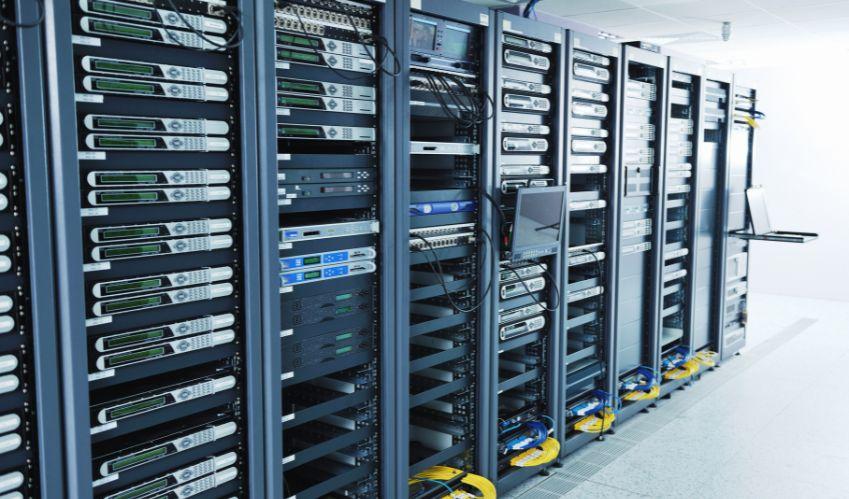
Businesses are generating and storing more data than ever before. Customer records, financial information, business applications, analytics, backups, and digital content all require reliable storage infrastructure. As organisations expand their digital operations, they need storage systems that can provide consistent performance, scalability, availability, and security.
Storage Area Networks (SANs) remain an important technology for organisations that need centralised, high-performance storage. A SAN is a dedicated network that connects servers to shared storage resources, allowing businesses to manage storage separately from their general-purpose network infrastructure.
The global storage area network market was valued at USD 24.12 billion in 2025 and is projected to reach USD 36.05 billion by 2035, growing at a CAGR of 4.10% during 2026–2035, according to Expert Market Research. The continued development of enterprise IT infrastructure and growing data requirements are supporting demand for reliable storage technologies.
Why SANs Remain Important for Enterprises
Large organisations often need to support databases, enterprise applications, virtual machines, and other workloads that require consistent storage performance. Using direct-attached storage for every server can make data management more complicated as infrastructure grows.
SANs provide centralised storage that can be accessed by multiple servers. This allows IT teams to manage storage resources more efficiently while providing flexibility for expanding workloads.
SAN environments can also support features such as redundancy, backup, replication, and disaster recovery, which are important for organisations where data availability is critical.
Fibre Channel Continues to Support High-Performance Storage
Fibre Channel has traditionally been an important technology in SAN environments. It provides dedicated connectivity designed for reliable and high-performance data transfers.
Although other storage technologies have expanded, Fibre Channel continues to be used in enterprise environments where predictable performance and low latency are important.
Advancements in Fibre Channel technology are also helping organisations support increasing workloads while maintaining reliable storage connectivity.
NVMe Is Changing Storage Performance
Non-Volatile Memory Express (NVMe) is becoming increasingly important in enterprise storage. Originally developed to take advantage of the speed of solid-state storage, NVMe can provide lower latency and higher performance than older storage protocols.
NVMe over Fabrics extends these capabilities across a network. This allows organisations to access high-performance storage resources over network infrastructure rather than relying solely on local connections.
As applications become more data-intensive, technologies such as NVMe-oF can help enterprises address demanding performance requirements.
The Growing Role of Flash Storage
Flash storage has changed enterprise storage by providing faster access to data compared with traditional hard disk drives. Organisations can use solid-state storage for workloads where performance is particularly important.
Flash-based SAN environments can support applications such as databases, virtualisation platforms, analytics, and other workloads that require fast storage access.
Although cost remains an important consideration, improvements in flash technology and storage efficiency are helping make high-performance storage more accessible for different enterprise workloads.
SAN and Cloud Storage Can Work Together
Cloud computing has changed how businesses approach infrastructure, but it has not eliminated the need for enterprise storage systems. Instead, many organisations are adopting hybrid approaches that combine on-premises infrastructure with cloud services.
A business may keep sensitive or performance-critical workloads on its own SAN while using cloud storage for backup, archiving, disaster recovery, or additional capacity.
This hybrid approach can give organisations greater flexibility while allowing them to select storage environments based on workload requirements.
Virtualisation Is Driving Storage Requirements
Server virtualisation allows multiple virtual machines to operate on the same physical infrastructure. However, these environments can create significant storage demands.
SANs can provide shared storage that supports virtualised servers and makes it easier to manage workloads across physical hosts. Features such as storage provisioning, snapshots, replication, and automated management can further simplify virtualised environments.
As businesses continue to use virtualisation for applications and infrastructure, storage performance and availability remain important considerations.
Automation and Intelligent Storage Management
Storage environments are becoming more automated. Traditional storage management often required administrators to manually allocate capacity, monitor performance, and identify potential problems.
Modern storage platforms can automate some of these processes. Monitoring tools can track storage utilisation, performance, and system health, while automation can help allocate resources based on predefined requirements.
Artificial intelligence and machine learning may also support predictive storage management by identifying unusual behaviour and potential performance issues before they affect applications.
Data Security Is Becoming More Important
Enterprise storage systems often contain highly sensitive information. Protecting this data requires security measures at multiple levels.
Encryption can help protect information both when it is stored and when it is transferred. Access controls can limit who is permitted to access particular storage resources.
Organisations also need to consider ransomware protection. Backup strategies, immutable copies, segmentation, and recovery planning can help businesses prepare for incidents that affect production storage.
Security should therefore be integrated into SAN architecture rather than treated as a separate consideration.
Disaster Recovery and Business Continuity
Data availability is essential for many businesses. A storage failure or major disruption can affect applications, employees, and customers.
SAN technologies can support disaster recovery through replication and backup capabilities. Organisations can replicate important data to another storage system or location, allowing them to restore operations if the primary environment becomes unavailable.
Businesses need to determine recovery time and recovery point requirements based on the importance of individual applications. Not every workload requires the same level of protection.
Challenges Facing SAN Adoption
Despite their benefits, SAN environments can be complex to design, operate, and maintain. Organisations need skilled IT professionals who understand storage architecture, networking, performance management, and security.
Initial infrastructure costs can also be significant, particularly for high-performance enterprise environments. Businesses need to evaluate storage requirements carefully to avoid investing in capacity or performance that is not necessary.
Another challenge is integration with newer infrastructure models. Enterprises increasingly operate across on-premises data centres, private clouds, and public cloud platforms, requiring storage systems that can work effectively across different environments.
What Does the Future of SANs Look Like?
The future of Storage Area Networks is likely to involve greater integration with modern data centre technologies. NVMe, flash storage, automation, virtualisation, and hybrid cloud architectures are expected to influence how enterprises design their storage environments.
Rather than disappearing as cloud adoption increases, SANs are likely to remain part of broader hybrid infrastructure strategies. Organisations can use different storage technologies for different workloads depending on performance, cost, availability, security, and compliance requirements.
The focus will increasingly shift towards intelligent storage management. Automated monitoring, predictive analytics, and software-defined storage capabilities can help businesses manage increasingly complex storage environments.

 Հայերեն
 French
 Deutsch
 Русский
 Greek
Greek