


Is Nonsurgical Rhinoplasty a Good Beauty Choice?
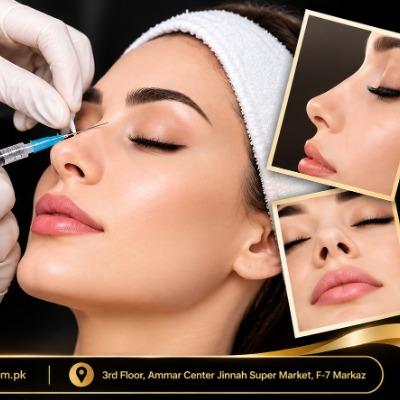
Facial appearance is influenced by the balance and proportion of different features, and the nose plays an important role in creating overall facial harmony. Even small irregularities in its shape can affect how the face looks from the front or side. For individuals who want to improve their nose appearance without undergoing traditional surgery, nonsurgical rhinoplasty has become an increasingly popular cosmetic option.
Nonsurgical Rhinoplasty in Islamabad offers an approach for people interested in refining selected nose features through injectable dermal fillers. Unlike surgical rhinoplasty, this treatment does not involve cutting, reshaping bones, or removing cartilage. Instead, carefully placed fillers can improve certain contours, soften minor irregularities, and create a more balanced appearance.
But is it actually a good beauty choice? The answer depends on individual expectations, facial anatomy, treatment goals, and medical suitability. Understanding its benefits, limitations, safety considerations, and expected results can help individuals decide whether this procedure matches their cosmetic needs.
1. What Makes Nonsurgical Rhinoplasty a Popular Beauty Choice?
Nonsurgical rhinoplasty, commonly known as liquid rhinoplasty, is a minimally invasive cosmetic procedure that uses dermal fillers to improve the external appearance of the nose. Hyaluronic acid fillers are frequently used because they can add volume to specific areas and create smoother-looking contours.
Many individuals consider this treatment because they want subtle improvements without committing to an operation. It may be suitable for people who are concerned about minor bumps, uneven nasal bridges, or certain irregularities that affect their side profile.
Several factors contribute to its popularity:
-
Non-surgical approach: The procedure uses injections rather than surgical incisions.
-
Quick treatment sessions: Many appointments can be completed within a relatively short period.
-
Limited downtime: Most suitable patients can return to normal activities relatively quickly.
-
Temporary results: The effects gradually fade as the body breaks down the filler.
-
Personalized enhancement: Treatment can be planned according to individual facial proportions.
-
Subtle improvements: Selected irregularities can be softened without completely changing the nose's natural appearance.
However, popularity does not automatically make a procedure suitable for everyone. A proper consultation is necessary to determine whether injectable treatment can safely address the patient's concerns.
2. How Does Nonsurgical Rhinoplasty Enhance Facial Appearance?
The main purpose of nonsurgical rhinoplasty is to improve the appearance of selected nasal features by adding volume to carefully chosen areas. This can create smoother transitions between different parts of the nose and improve its overall visual balance.
For example, a small depression near the nasal bridge may make the nose appear uneven. Carefully placed filler around that area can create a smoother profile. Similarly, certain minor irregularities may become less noticeable after treatment.
The procedure may help improve:
Nasal Bridge Appearance: Fillers can smooth selected depressions and irregularities, creating the appearance of a more even nasal bridge.
Nose Symmetry: Carefully planned filler placement may improve the appearance of minor asymmetry, although perfect symmetry cannot be guaranteed.
Nose Tip Definition: In selected cases, fillers can enhance the appearance of the nasal tip by improving surrounding contours.
Side Profile: A smoother nasal bridge can contribute to a more balanced appearance when viewed from the side.
Facial Harmony: Improving the appearance of the nose may help create better visual proportions between the nose, forehead, cheeks, and chin.
It is important to understand that fillers add volume. They cannot physically reduce the size of the nose, remove cartilage, or correct significant structural deformities.
3. What Are the Main Benefits of Choosing Nonsurgical Rhinoplasty?
One of the biggest reasons individuals explore nonsurgical rhinoplasty is the possibility of achieving cosmetic improvements without undergoing a surgical procedure. For suitable candidates, it can offer several advantages.
Minimal Invasiveness: Unlike traditional rhinoplasty, the treatment does not require surgical incisions or general anaesthesia. It is generally performed using appropriate local or topical numbing methods.
Convenient Treatment: Many procedures are completed during a single appointment, making the treatment convenient for individuals with busy schedules.
Shorter Recovery Period: Most patients experience less downtime compared with surgical nose reshaping. Mild swelling, redness, or bruising may occur temporarily.
Temporary Enhancement: The results are not permanent. This can appeal to individuals who prefer a treatment that gradually wears off rather than a permanent surgical change.
Customized Results: The amount and placement of filler can be adjusted according to the patient's nasal structure and aesthetic preferences.
No Surgical Incisions: Since the procedure involves injections, it does not require the incisions associated with traditional nose surgery.
Despite these advantages, the treatment carries important risks. Nasal filler injections can accidentally block blood vessels, potentially causing skin tissue damage and, in rare cases, blindness. Patients should never choose a practitioner based only on convenience or promotional offers.
4. Who Should Consider Nonsurgical Rhinoplasty?
Nonsurgical rhinoplasty is generally more appropriate for individuals who want minor cosmetic improvements rather than major changes to their nose structure.
Potential candidates may include:
-
Individuals with small bumps along the nasal bridge.
-
People who want to improve the appearance of minor nasal asymmetry.
-
Those interested in creating smoother nose contours.
-
Individuals seeking subtle changes to their side profile.
-
People who prefer temporary cosmetic enhancement.
-
Adults with realistic expectations about injectable treatments.
However, certain concerns may require a different approach. Individuals who want a smaller nose, narrower nostrils, significant correction of a crooked nose, or improvements in breathing function may benefit more from a surgical assessment.
Patients with previous nose surgery or existing nasal fillers also require careful evaluation before considering additional injections.
During a consultation for Nonsurgical Rhinoplasty in Islamabad, the medical professional should assess the patient's nasal anatomy, medical history, aesthetic goals, and potential risk factors before recommending treatment.
5. Is Nonsurgical Rhinoplasty Safe and What Should Patients Expect?
Safety is one of the most important considerations when choosing any cosmetic procedure. Although nonsurgical rhinoplasty avoids traditional surgery, it should not be considered a completely risk-free treatment.
The nose contains a complex network of blood vessels connected to circulation around the eyes. If filler accidentally enters or compresses an important blood vessel, it can cause serious complications.
Possible side effects include:
-
Temporary swelling and redness.
-
Mild bruising around injection sites.
-
Tenderness or discomfort.
-
Uneven filler distribution.
-
Infection or inflammatory reactions.
-
Vascular blockage and skin damage.
-
Rare but serious vision complications, including blindness.
To reduce avoidable risks, patients should choose a properly qualified medical professional with specific experience in nasal filler injections and facial anatomy.
The practitioner should also have an appropriate emergency management plan, including access to treatments such as hyaluronidase when hyaluronic acid filler complications occur. Even with these precautions, serious complications cannot always be reversed.
Patients should seek immediate medical attention if they experience severe pain, unusual skin discoloration, pale or dusky skin, or any changes in vision following treatment.
6. How Long Do Results Last and What Is the Recovery Process?
Nonsurgical rhinoplasty offers temporary results, and the duration can vary from one individual to another. Hyaluronic acid fillers commonly provide visible improvements for approximately 6 to 18 months, although some patients may notice the effects fading sooner or lasting longer.
Several factors can influence how long the results remain noticeable, including:
-
The type of filler used.
-
The amount injected.
-
Individual metabolism.
-
The treatment technique.
-
The patient's natural facial anatomy.
Recovery is generally shorter than after surgical rhinoplasty. Some patients return to their usual daily activities shortly after the appointment, although mild swelling or bruising may remain for several days.
Aftercare plays an important role in supporting recovery. Patients are generally advised to:
-
Follow the practitioner's specific aftercare instructions.
-
Avoid pressing or massaging the nose unless instructed.
-
Avoid activities that may place pressure on the treated area.
-
Follow recommendations regarding strenuous exercise.
-
Attend follow-up appointments when recommended.
Patients should also avoid scheduling additional filler treatments too soon. The practitioner should assess the initial results and determine whether further treatment is appropriate.
7. Is Nonsurgical Rhinoplasty Better Than Traditional Rhinoplasty?
Both procedures aim to improve the appearance of the nose, but they are designed for different purposes. Choosing between them depends on the extent of correction required and the patient's long-term expectations.
Traditional rhinoplasty is a surgical procedure that can reshape bone and cartilage. It may address significant nasal irregularities, reduce nose size, improve structural concerns, and sometimes help correct breathing difficulties.
Nonsurgical rhinoplasty uses injectable fillers to improve selected external contours without changing the underlying nasal structure.
The main differences include:
-
Treatment method: Nonsurgical rhinoplasty uses injectable fillers, while traditional rhinoplasty involves surgery.
-
Results: Filler results are temporary, whereas surgical results are generally long-lasting.
-
Nose size: Surgery can reduce nasal size, while fillers add volume.
-
Recovery: Injectable treatments usually involve less downtime.
-
Structural changes: Surgery can address significant bone and cartilage concerns, while fillers cannot.
For individuals considering Nonsurgical Rhinoplasty in Islamabad, the best option is not necessarily the one with the shortest recovery. The right choice is the treatment that safely addresses their specific concerns while providing realistic and appropriate results.
For more information visit Enfield royal clinic in islamabad
Frequently Asked Questions (FAQs)
1. Is nonsurgical rhinoplasty a good choice for first-time cosmetic patients?
It may be suitable for selected first-time patients who want subtle improvements and understand the procedure's limitations. However, a thorough medical assessment is essential because nasal filler injections carry potentially serious risks.
2. Can nonsurgical rhinoplasty make a crooked nose look straight?
It may improve the appearance of minor irregularities by creating smoother contours. However, it cannot correct significant structural crookedness or underlying bone and cartilage problems.
3. Does nonsurgical rhinoplasty provide permanent results?
No. Most treatments use temporary dermal fillers that gradually break down over time. Results commonly last several months, depending on the filler and individual factors.
4. How can patients prepare for nonsurgical rhinoplasty in Islamabad?
Patients should begin with a consultation, discuss their cosmetic goals, share their medical history, and disclose any previous nose surgeries or filler treatments. They should also understand the possible complications and follow all preparation instructions provided by the medical professional.
Conclusion
Nonsurgical rhinoplasty can be a good beauty choice for individuals who want subtle improvements to selected nose features without undergoing traditional surgery. It may help smooth minor irregularities, enhance nasal contours, and improve the appearance of facial balance through carefully administered dermal fillers.
However, it is not suitable for every nose concern. Since the procedure adds volume rather than removing tissue, it cannot make the nose smaller or correct major structural problems. Its potential complications also make practitioner qualifications and safety precautions especially important.
Anyone considering Nonsurgical Rhinoplasty in Islamabad should seek a detailed professional assessment, understand the treatment's limitations, and prioritize safety over quick cosmetic results.

 English
 French
 Deutsch
 Русский
 Greek