


What Is Freight Forwarding and How Does It Work in International Trade?
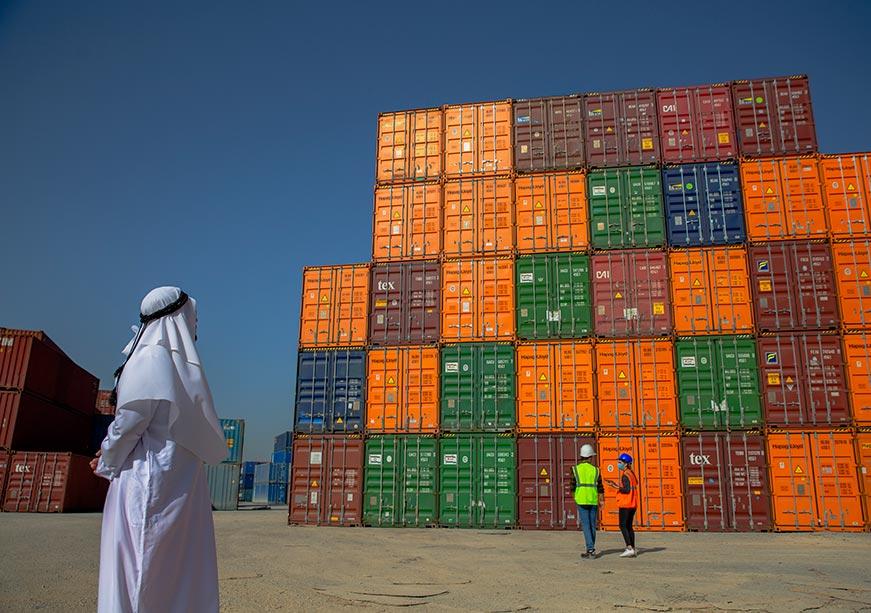
International trade allows businesses to buy and sell products across borders, giving them access to new markets, suppliers, and customers. However, moving goods from one country to another involves more than simply booking a truck, ship, or aircraft. Businesses must coordinate transportation, prepare shipping documents, follow customs requirements, manage costs, and ensure that cargo reaches its destination safely.
Freight forwarding helps businesses manage these activities. A freight forwarder arranges and coordinates the movement of goods on behalf of importers and exporters. By working with carriers, customs brokers, warehouses, and other logistics providers, freight forwarders help make international shipping more organised and easier to manage.
Understanding freight forwarding is useful for businesses of all sizes. Whether a company imports raw materials, exports finished products, or ships goods to international customers, knowing how the process works can help it make better decisions and avoid common shipping problems.
What Is Freight Forwarding?
Freight forwarding is the process of organising and coordinating the transportation of goods from one location to another, particularly when shipments cross international borders. A freight forwarder acts as an intermediary between the business shipping the goods and the companies responsible for transporting them.
A freight forwarder does not necessarily own ships, aircraft, or trucks. Instead, it works with transportation providers to arrange cargo space, select suitable routes, and coordinate the different stages of a shipment.
Depending on the customer’s requirements, freight forwarding may include cargo collection, booking transportation, preparing shipping documents, coordinating customs procedures, arranging insurance, tracking shipments, and organising final delivery.
For example, a Pakistani business importing equipment from China may need the goods collected from the supplier, transported to a port, shipped by sea, cleared through customs, and delivered to its warehouse. A freight forwarder can coordinate these stages and communicate with the different parties involved.
Why Is Freight Forwarding Important in International Trade?
International shipping can be complicated because every country has its own trade regulations, customs procedures, documentation requirements, and transport systems. A shipment may pass through several locations and involve multiple service providers before reaching the importer.
Freight forwarding helps connect these activities into a coordinated process. Instead of managing every carrier and logistics provider separately, a business can work with a freight forwarder to arrange the shipment and receive updates throughout its journey.
Freight forwarders can also help businesses compare transportation options. For example, sea freight may be suitable for large shipments that are not urgent, while air freight may be a better choice for goods that need to arrive quickly. The most suitable option depends on the shipment’s size, value, delivery deadline, and budget.
A well-organised freight forwarding process can help businesses plan inventory, manage delivery expectations, and reduce the risk of unnecessary delays.
How Does Freight Forwarding Work?
Although the exact process depends on the shipment, most international freight forwarding arrangements follow several main stages.
1. Shipment Enquiry and Cargo Information
The process usually begins when an importer or exporter contacts a freight forwarder with details about the shipment. These details may include the type of goods, quantity, weight, dimensions, collection address, destination, and preferred delivery date.
Accurate information is important because it affects the shipping method, price, route, and handling requirements. Some goods may need special packaging, temperature control, secure storage, or other arrangements.
The forwarder reviews the shipment details and identifies the services needed to move the cargo safely and efficiently.
2. Selecting the Right Transportation Method
After reviewing the cargo requirements, the freight forwarder helps the business choose a suitable transportation method. The most common options include sea freight, air freight, and road freight.
Sea freight is often used for large or heavy shipments because it can provide a lower cost per unit. Air freight is generally faster and may be suitable for urgent, valuable, or lightweight goods. Road freight is useful for regional transportation and for moving cargo between factories, ports, airports, and warehouses.
Some shipments require more than one transport method. This is known as multimodal transportation. For example, cargo may travel by truck from a supplier’s factory to a port, by ship to another country, and then by road to its final destination.
The forwarder considers the delivery deadline, cargo characteristics, available routes, and total cost before recommending an option.
3. Booking Cargo Space
Once the transportation method is selected, the freight forwarder arranges cargo space with a carrier or transport provider.
For sea freight, businesses may choose between Full Container Load (FCL) and Less than Container Load (LCL). FCL means the shipment uses an entire container, while LCL allows smaller shipments to share container space with cargo belonging to other customers.
For air freight, the booking depends on the cargo’s weight, dimensions, destination, and available capacity. The forwarder confirms the booking details and provides the expected shipping schedule.
Businesses should understand that estimated departure and arrival dates are not always guaranteed. Weather conditions, port congestion, carrier changes, and other operational issues may affect schedules.
4. Preparing Shipping Documents
Shipping documentation is an important part of international freight forwarding. Documents provide details about the goods, the parties involved, the transport arrangement, and the commercial transaction.
Common documents include the commercial invoice, packing list, bill of lading or air waybill, certificate of origin, and any permits or certificates required for specific goods.
The commercial invoice describes the goods being sold and their value. The packing list provides information about the cargo’s packaging, quantities, weights, and dimensions. A bill of lading or air waybill contains important transportation information.
The required documents depend on the product, destination country, transport method, and applicable regulations. Inaccurate or incomplete documents may cause delays, additional charges, or customs problems. Businesses should therefore review shipment information carefully before it is submitted.
5. Cargo Collection and Export Handling
After the booking and documentation are arranged, the cargo is collected from the supplier or delivered to the relevant port, airport, or terminal.
The freight forwarder coordinates the collection and handling arrangements. Depending on the shipment, this may include weighing, packaging checks, container loading, warehouse handling, and export procedures.
Proper packaging is particularly important for international shipments because goods may be handled several times during their journey. Suitable packaging can help reduce the risk of damage and protect the cargo during loading, unloading, and transportation.
Some products may also require specific labels, markings, or handling instructions. Businesses should confirm these requirements before the goods are dispatched.
6. Transportation and Shipment Tracking
Once the carrier accepts the cargo, the shipment begins its journey to the destination. During transportation, the freight forwarder may monitor shipment milestones and provide updates to the customer.
Tracking information may include cargo collection, departure, arrival at a transit point, vessel or aircraft movement, arrival at the destination port, and release for delivery.
Shipment visibility helps businesses plan their inventory and prepare for the arrival of goods. If a delay or route change occurs, the forwarder can communicate the update and help coordinate the next steps.
For businesses that regularly import or export goods, reliable shipment information can support better purchasing, production, and distribution planning.
7. Import Customs Clearance
When cargo arrives in the destination country, it may need to pass through import customs clearance before it can be released.
Customs authorities review shipment details to determine whether the goods meet the country’s import requirements. The importer may need to submit documents, provide product classifications, pay applicable duties and taxes, or obtain permits for regulated products.
Requirements vary depending on the country and type of goods. A freight forwarder may coordinate with a customs broker or provide customs-related support as part of the shipping arrangement.
However, importers remain responsible for ensuring that the information and declarations provided for their shipments are accurate and compliant with local requirements.
8. Final Delivery
After customs release, the cargo can be transported to the importer’s warehouse, distribution centre, shop, or other delivery address.
Final delivery may involve arranging trucks, scheduling delivery appointments, unloading goods, and obtaining proof of delivery. The freight forwarder coordinates these activities according to the agreed service terms.
Once the shipment arrives, the receiving business should check the cargo condition and confirm that the delivered quantities match the shipment documents.
What Services Does a Freight Forwarder Provide?
Freight forwarding services can cover different parts of the international shipping process. Some businesses only need help arranging transportation, while others prefer a more complete service that includes collection, documentation, customs coordination, and final delivery.
Sea Freight
Sea freight is commonly used for large, heavy, or non-urgent shipments. It is suitable for machinery, raw materials, furniture, commercial inventory, and many other types of goods.
Freight forwarders can arrange container bookings, coordinate port handling, and help businesses choose between FCL and LCL shipments.
Air Freight
Air freight is used when speed is a priority. It may be suitable for urgent orders, spare parts, valuable products, or goods with short delivery deadlines.
Although air freight can reduce transit time, it is generally more expensive than sea freight. Businesses should compare the total cost with the value of faster delivery before selecting this option.
Road Freight
Road freight supports domestic and cross-border transportation. It is often used for regional trade, cargo collection, and delivery between ports, airports, warehouses, and business locations.
Road transport can also connect with sea and air freight to create a complete shipping arrangement.
Cargo Consolidation
Cargo consolidation combines smaller shipments into a larger load. It can help businesses that do not have enough goods to fill an entire container.
With LCL shipping, cargo from different customers is placed in the same container. This can reduce the cost of shipping smaller quantities, although consolidation and deconsolidation may add handling time.
Shipping Line and NVOCC Services
Shipping line and Non-Vessel Operating Common Carrier (NVOCC) services are also relevant to international cargo movement. Shipping lines operate vessels, while an NVOCC arranges ocean transportation and may issue its own transport documents without operating the vessel itself.
Businesses can learn more about these arrangements here:
https://nobleline.ae/services/shipping-line-nvocc/
What Costs Are Included in Freight Forwarding?
Freight forwarding costs depend on several factors, including cargo size, weight, origin, destination, transport method, type of goods, and required services.
The total cost may include the main freight charge, cargo collection, terminal handling, documentation, customs-related charges, insurance, storage, and final delivery. Additional fees may apply if cargo is delayed, documents are incomplete, or storage time exceeds the agreed period.
Businesses should request a clear quotation and check which services are included. A low initial freight rate may not represent the full cost if important charges are excluded.
It is also useful to confirm whether the quotation is based on actual weight, volumetric weight, container size, or another pricing method. This allows businesses to compare options more accurately and reduce the risk of unexpected expenses.
How to Choose a Freight Forwarder
Choosing a freight forwarder requires more than comparing prices. Businesses should consider the provider’s experience with the relevant route, communication standards, available transportation options, and ability to manage the shipment requirements.
A reliable freight forwarder should explain the shipping process clearly and provide realistic information about costs and transit times. It should also communicate promptly when schedules change or additional information is required.
Businesses should check whether the forwarder has experience handling their type of cargo and can coordinate the services needed for the shipment. Clear responsibilities and written terms can help prevent misunderstandings.
For shipments involving several countries or transport methods, it is useful to work with a provider that can coordinate different stages and maintain consistent communication throughout the journey.
How Freight Forwarding Supports Supply Chain Management
Freight forwarding supports the wider supply chain by connecting suppliers, manufacturers, distributors, and customers. When shipments are planned and managed effectively, businesses can maintain better inventory levels, meet customer deadlines, and reduce unnecessary transport expenses.
For example, a retailer importing products for a seasonal sales period needs the goods to arrive within a specific time. A freight forwarder can help plan the route, arrange cargo space, and coordinate shipment milestones so the retailer can prepare for stock arrival.
Good freight planning also helps businesses respond to unexpected changes. If a carrier schedule changes or a route becomes unavailable, the forwarder may help identify alternatives and communicate the possible effect on delivery.
Final Thoughts
Freight forwarding plays an important role in international trade by organising the movement of goods across borders. It connects transportation providers, shipping documentation, customs requirements, and final delivery into a coordinated process.
For businesses involved in importing or exporting, understanding freight forwarding makes it easier to plan shipments, compare transport options, manage costs, and prepare for potential delays. A suitable freight forwarding arrangement can support smoother international trade and help businesses keep their supply chains moving.
Whether a business is shipping a small consignment or managing regular international cargo, careful planning and clear communication can make the shipping process more manageable.
For more information about international logistics services, visit:

 Հայերեն
 English
 French
 Русский
 Greek