


Interior Design Firms in Delhi: Are You Making These Mistakes?
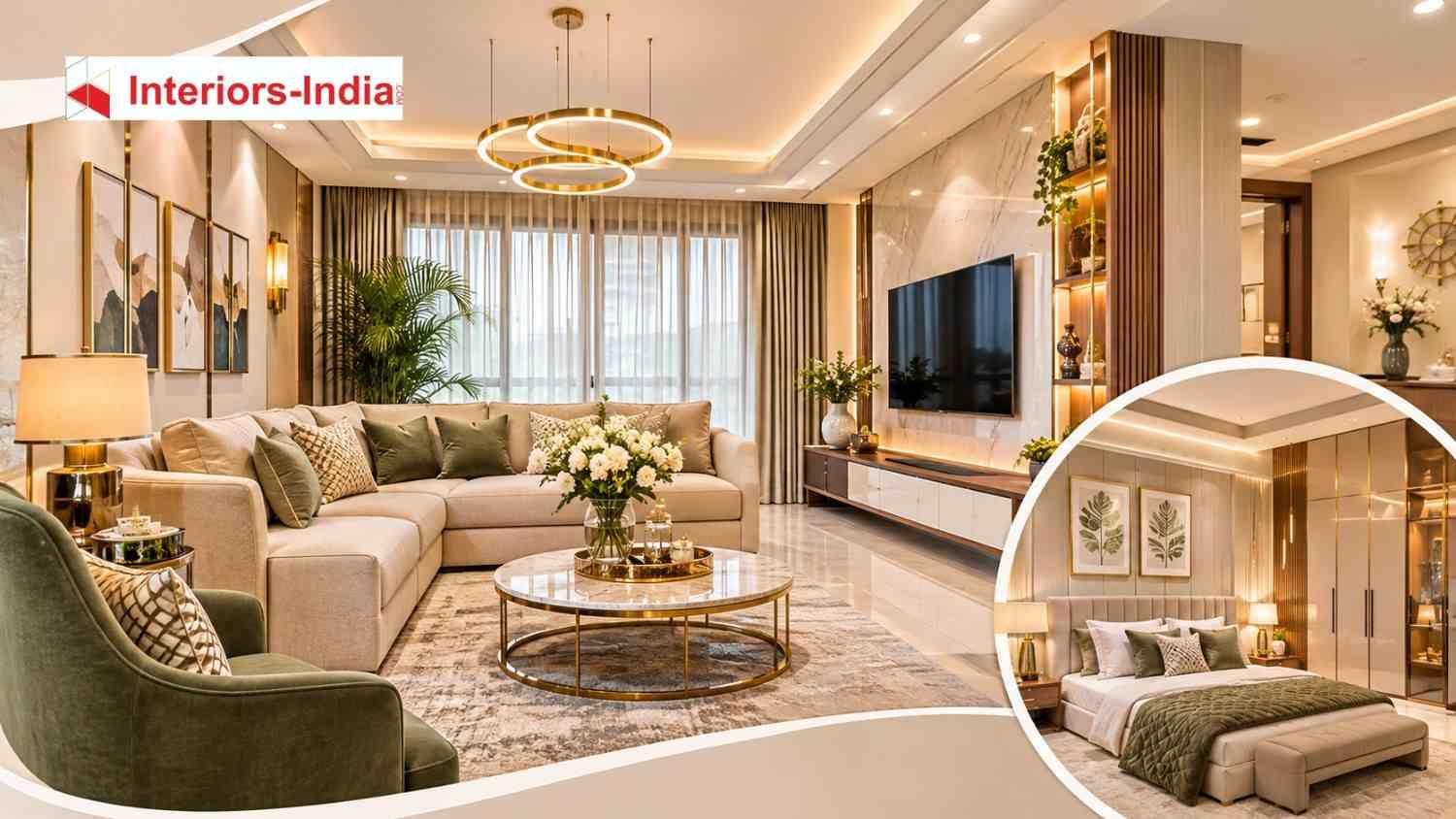
Selecting the appropriate Interior Design Firms in Delhi is essential when one plans to renovate their home, do apartment interiors, or do an entire interior project. An appropriately planned space looks aesthetically pleasing, functional, and durable in the long run. Unfortunately, several homeowners end up making expensive mistakes even before work on the design plan begins.
These can range from hiring a designer who hasn’t done much work in the past, not considering the quality of materials, storage space, lighting, and execution time frames, among other minor mistakes in planning. Such mistakes are especially rampant in Delhi since the layout, construction quality, family needs, and space available vary greatly from locality to locality.
From doing apartment interiors in Dwarka to renovation of an independent house in South Delhi or even a builder’s floor in Rohini, these mistakes need to be known.
1. Choosing Interior Design Firms in Delhi Without Checking Their Work
One of the biggest mistakes homeowners make is selecting a design company based only on attractive photographs or an impressive social media portfolio. A beautiful 3D rendering does not necessarily represent the quality of the completed project.
Before finalising a designer, compare Interior Design Firms in Delhi by examining their completed residential projects, material selections, storage solutions, finishing quality, and ability to manage practical requirements.
What should you check before hiring?
- Ask to see photographs of completed projects rather than relying exclusively on 3D visualisations.
- Check whether the company has experience with apartments, builder floors, villas, or independent houses similar to yours.
- Understand whether design, procurement, carpentry, installation, and site supervision are managed together.
- Request references from previous clients and ask about communication, delays, and finishing quality.
For example, a family purchasing a 3BHK apartment in Dwarka may require additional wardrobe space, a functional modular kitchen, and a comfortable living area. A designer who understands these requirements can create a more useful layout than someone concentrating only on decorative features.
Interiors-India approaches interior planning through functional space utilisation, customised concepts, and coordinated project execution. This distinction matters because successful interiors require more than attractive furniture and wall finishes.
2. Ignoring the Actual Requirements of Your Family
A common design mistake is copying an attractive interior from Pinterest or a showroom without considering how the household actually uses its space.
A large kitchen island, decorative partitions, oversized sofas, or elaborate false ceilings might look appealing. However, these features can become inconvenient when they do not match the room dimensions or everyday routines.
Start by identifying the requirements of everyone using the property. Consider the number of family members, work-from-home arrangements, storage needs, cooking habits, children's activities, and accessibility requirements.
For instance, a family living in a compact apartment near Sector 12, Dwarka, may benefit more from floor-to-ceiling wardrobes and multifunctional furniture than from bulky decorative cabinets.
Similarly, an apartment with limited natural light may need lighter wall colours, carefully positioned mirrors, and layered lighting instead of dark finishes throughout.
A practical designer should understand these requirements before preparing the final layout. This approach prevents unnecessary additions and helps ensure that every design element serves a clear purpose.
3. Not Preparing a Realistic Interior Design Budget
Budget planning is another area where homeowners frequently make mistakes. Some people calculate only the visible furniture and decorative expenses, overlooking electrical modifications, plumbing, ceiling work, hardware, transportation, installation, and finishing.
A realistic budget should cover the entire project rather than just the materials displayed in a quotation.
Before starting, divide your estimated expenditure into major categories:
- Civil and preparatory work: Demolition, masonry, plastering, flooring changes, and surface preparation.
- Carpentry and furniture: Wardrobes, kitchen cabinets, storage units, beds, TV consoles, and customised furniture.
- Electrical and lighting: Wiring, switches, additional electrical points, decorative lights, and ceiling fixtures.
- Finishing materials: Paint, laminates, veneers, wallpaper, tiles, and hardware.
- Additional requirements: False ceilings, curtains, furnishings, appliances, transportation, and installation.
For practical planning, keep a contingency allowance of approximately 10–15% of the estimated project budget. This can help accommodate unexpected site conditions or changes that become necessary during execution.
Understanding Interior Design Costs in Delhi
Interior design costs depend on property size, material specifications, design complexity, and the amount of work involved. There is no single standard rate that applies to every Delhi home.
For preliminary budgeting, the following are broad illustrative planning ranges, not verified contractor quotations:
- Basic interior furnishing and selected upgrades may start around ₹3–5 lakh for a compact apartment.
- Mid-range interior projects involving modular kitchens, wardrobes, lighting, and living-room furniture may require approximately ₹6–12 lakh.
- More comprehensive 3BHK projects with customised furniture, premium finishes, and extensive modifications may exceed ₹12–20 lakh.
These estimates can change significantly depending on the carpet area, existing condition, number of customised units, and selected materials. Structural modifications, appliances, loose furniture, and premium imported finishes may increase expenditure further.
For example, renovating an existing apartment in Janakpuri may cost less than completing the interiors of a newly purchased builder floor in Greater Kailash because the amount of preparatory and installation work can differ considerably.
Ask for an itemised quotation that specifies quantities, material brands, finishes, hardware, labour, transportation, and installation. This makes it easier to compare proposals accurately.
4. Selecting Materials Without Understanding Their Quality
Material selection directly affects the durability, appearance, and maintenance requirements of your interiors. Choosing products simply because they look expensive or match a reference photograph can lead to unnecessary maintenance later.
Delhi's weather also makes material selection important. Dust accumulation, summer heat, and moisture in kitchens and bathrooms can affect certain finishes over time.
For example, moisture-resistant plywood is worth considering for kitchen cabinetry, while durable laminates can provide a practical surface for frequently used wardrobes and storage units.
Before approving materials, check their specifications, thickness, finish, warranty, and suitability for the intended application. Also, ask for physical samples because colours and textures can appear different under showroom lighting.
Pay particular attention to kitchen hardware, drawer channels, hinges, edge banding, and cabinet construction. These components may not be immediately visible, but they influence how comfortably furniture operates after installation.
A good interior project is not necessarily the one with the most expensive materials. It is the one where material quality matches the intended use and available budget.
5. Ignoring Space Planning and Storage Requirements
Delhi apartments often require careful space planning because homeowners want multiple functions within limited floor areas. Poor furniture placement can make even a spacious apartment feel crowded.
Before finalising the design, evaluate circulation space, door openings, window positions, natural light, and furniture dimensions.
Consider a typical 2BHK apartment in Dwarka. A large sectional sofa might reduce the available walking space, while a compact sofa with a customised TV unit could provide a better arrangement.
Storage should also be planned room by room. Bedroom wardrobes, kitchen pull-outs, overhead cabinets, shoe racks, utility storage, and concealed shelves should be included in the initial layout.
Another mistake is ignoring future requirements. A couple planning to have children, for example, may need flexible furniture arrangements and additional storage as their household changes.
The objective should be to create a layout that works comfortably today without making future adjustments unnecessarily difficult.
6. Choosing a Designer Without Understanding the Execution Process
A detailed design proposal is only the beginning of an interior project. The actual quality depends on how effectively the approved concept moves into production, installation, and final handover.
Homeowners sometimes assume that selecting a designer automatically includes every execution activity. However, different companies offer different service arrangements.
Before signing an agreement, clarify whether the following responsibilities are included:
- Site measurements and existing-condition assessment.
- 2D layouts and detailed working drawings.
- 3D visualisations and material specifications.
- Electrical, plumbing, and ceiling coordination.
- Furniture manufacturing and installation.
- Procurement, quality inspections, and site supervision.
- Final cleaning, snag correction, and handover.
A company providing only design consultancy may not be responsible for coordinating contractors or managing material deliveries. A turnkey arrangement generally offers more integrated execution, but its exact scope must still be documented.
7. Not Comparing Interior Design Firms in Delhi on Equal Terms
Comparing quotations is important, but choosing the lowest estimate without examining its specifications can create problems.
Two companies may quote different amounts for what appears to be the same 3BHK project. However, one quotation might include branded hardware, better-quality plywood, detailed electrical work, and installation, while another may exclude several of these items.
Compare quotations using identical requirements. Check the material grade, brand, dimensions, quantities, finishes, hardware specifications, and installation responsibilities.
Also, understand the payment schedule. Payments should be connected to clearly defined project milestones rather than vague promises.
For instance, you can structure payments around design approval, material procurement, manufacturing progress, installation, and final handover. The exact schedule should be mutually agreed upon and recorded in the contract.
This makes financial planning more transparent and reduces the possibility of disagreements during execution.
8. Overlooking Local Requirements and Site Conditions
Interior projects in Delhi are influenced by the type of property and the rules of the residential complex or neighbourhood.
A high-rise apartment in Dwarka may have restrictions on working hours, lift usage, material transportation, debris disposal, and contractor entry. An independent house in South Delhi may involve different access, parking, and renovation considerations.
Before starting work, confirm the applicable building and society requirements. Structural changes, external alterations, and modifications affecting shared services may require specific permissions.
Also, inspect existing plumbing, electrical wiring, wall conditions, and flooring before finalising the design. Discovering these issues after furniture manufacturing has started can lead to additional expenses and delays.
A site assessment is therefore essential, particularly when renovating an older DDA apartment or an occupied builder floor.
9. Expecting a Realistic Interior Project to Finish Without Proper Scheduling
Unrealistic timelines are another frequent source of frustration. Interior work involves several activities that depend on one another.
For example, finalising kitchen dimensions before completing the necessary site measurements can result in incorrect manufacturing specifications. Similarly, starting painting before dusty civil work is complete may require repeated finishing.
A practical project schedule should account for design approval, procurement, site preparation, manufacturing, installation, and final inspection.
Understanding the End-to-End Interior Execution Process
A properly managed interior project generally follows these stages:
Stage 1: Discovery and requirement assessment
The process begins with a discussion about lifestyle, preferences, budget, property dimensions, and expected completion dates. The designer also examines existing site conditions and identifies practical limitations.
Stage 2: Concept development and space planning
Layouts are prepared to establish furniture positions, storage requirements, lighting arrangements, and movement areas. The concept is refined according to the homeowner's feedback.
Stage 3: 3D visualisation and technical drawings
Approved concepts are converted into realistic 3D views and detailed working drawings. Electrical points, ceiling details, carpentry dimensions, and material specifications are finalised.
Stage 4: Budget approval and procurement
An itemised quotation is prepared, and materials are selected. Procurement begins after the specifications, payment conditions, and execution responsibilities are approved.
Stage 5: Site preparation and civil work
Necessary demolition, masonry, plumbing, electrical modifications, and surface preparation are completed. The site is made ready for subsequent installations.
Stage 6: Manufacturing and installation
Modular kitchens, wardrobes, storage units, and customised furniture are manufactured according to approved measurements. Installation follows the agreed sequence.
Stage 7: Finishing and quality inspection
Painting, lighting, hardware adjustments, decorative finishes, and other remaining activities are completed. The team checks alignment, surface quality, functionality, and workmanship.
Stage 8: Final handover
The homeowner inspects the completed property, records any defects, and verifies that pending corrections have been addressed. Relevant warranties, maintenance information, and handover documents should also be provided.
For a typical apartment interior project, allow approximately 8–16 weeks as an initial planning window, depending on the scope, site readiness, material availability, and level of customisation. Extensive renovation or bespoke work can take longer.
Interiors-India's three-stage approach of discovery, concept development, and move-in provides a useful framework for understanding how requirements can progress into a completed living space.
10. How to Choose the Right Interior Designers in Dwarka
If you own a property in Dwarka, selecting experienced Interior Designers in Dwarka can help address the specific requirements of your apartment, builder floor, or independent house.
Different sectors have different property configurations, and the design approach should reflect the available space, existing construction, and household requirements.
For example, a compact apartment in Sector 7 may need more efficient storage and multifunctional furniture, whereas a larger property in Sector 19 may offer opportunities for customised living spaces, dedicated study areas, and elaborate kitchen layouts.
Before making your decision, consider these factors:
- Local project experience: Check whether the designer understands apartment layouts, residential society requirements, and local execution conditions.
- Design capabilities: Look for practical layouts, detailed drawings, customised furniture, and realistic 3D visualisations.
- Material transparency: Confirm the quality and specifications of plywood, laminates, hardware, lighting, and finishing materials.
- Project management: Understand who coordinates contractors, procurement, installation, and quality checks.
- After-sales support: Discuss warranties, maintenance assistance, and the process for resolving post-handover issues.
The right choice should be based on execution capabilities, design understanding, transparent communication, and the ability to deliver according to agreed specifications.
How Interiors-India Can Help You Avoid Common Design Mistakes
A successful interior project begins with understanding how people use their homes. Interiors-India focuses on functional space utilisation, customised design concepts, factory-made wooden products, home furnishing, and modular kitchen solutions.
Its project approach covers discovery, concept development, and move-in, helping homeowners move from initial planning towards a coordinated finished space.
Live 3D designs can also help clients understand proposed arrangements before execution. This makes it easier to review layouts, finishes, and furniture placement before committing to manufacturing and installation.
Rather than treating interior design as a collection of decorative elements, homeowners should consider it a complete process involving planning, technical coordination, material selection, and execution.
A Conversation Between Clients and Interior Designers
Client: We would like to have a modern house with good storage and comfort.
Designers: At Interiors-India, our motto is to know your requirements and design accordingly.
Client: Apart from this, we would like to avoid the mistakes made in choosing materials and budgeting.
Designers: This is the reason why Interior Design Firms in Delhi give importance to planning, material selection, and project execution.
Summary
To avoid making mistakes in interior designing, one needs to plan carefully, budget realistically, choose appropriate materials, and manage the project. When choosing a design company, homeowners need to do more than just looking at portfolios and appealing quotes.
Whether it is verifying working drawings or learning about the execution of the project, everything will add up to the final outcome. An appropriately designed home must be a reflection of your own taste along with being comfortable and functional.
With such practical considerations in mind and with the help of Interiors-India, homeowners can make better decisions.
Some Important Questions
1. How do I choose the right interior design company in Delhi?
Review completed projects, client feedback, material specifications, design capabilities, and project management experience. Also, request an itemised quotation and clarify the execution responsibilities before signing an agreement.
2. What is the average cost of home interior design in Delhi?
For preliminary planning in 2026, basic to mid-range projects can be estimated around ₹1,200–₹3,500 per sq. ft., while premium customised interiors can cost ₹3,500–₹6,000 or more per sq. ft. Actual costs depend on the scope, materials, carpet area, and inclusions.
3. How long does a complete home interior project take?
A typical apartment project may take approximately 8–16 weeks. Extensive civil modifications, customised furniture, delayed material deliveries, and design changes can extend the timeline.
4. What should I check before finalising an interior design quotation?
Check material grades, product brands, hardware specifications, dimensions, quantities, installation charges, payment milestones, project timelines, warranty conditions, and exclusions. Ensure every important commitment is documented.
5. Why should I hire professional interior designers in Dwarka?
Professional designers can help optimise available space, plan storage, select suitable materials, coordinate technical requirements, and manage execution. Local project experience can also help address residential society restrictions and property-specific challenges.

 Հայերեն
 English
 Deutsch
 Русский
 Greek