


Understanding Hair Density and Colour Matching in Hair Replacement
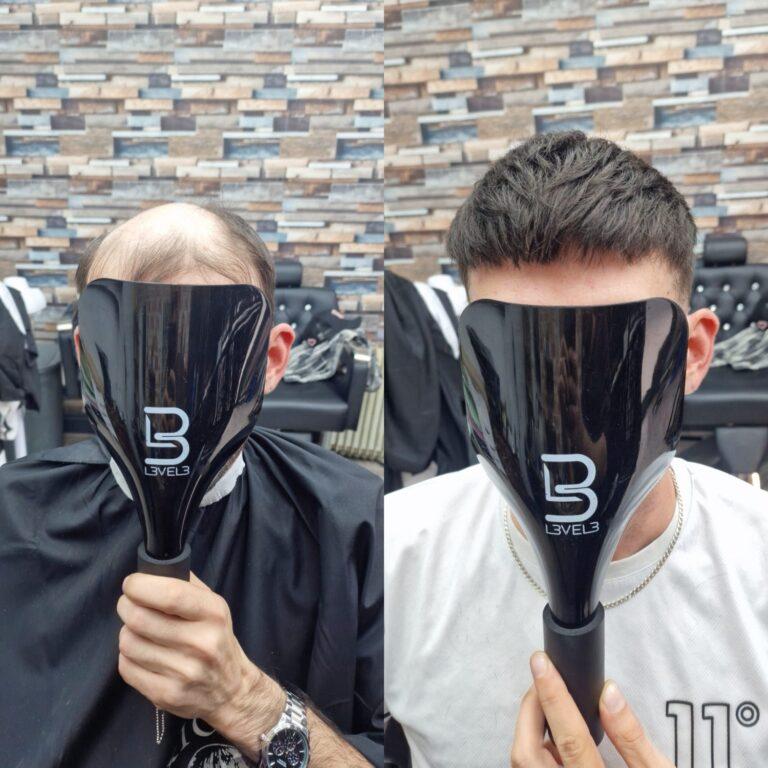
Choosing a hair replacement system involves more than selecting a hairstyle. The hair density and colour also play an important role in how natural the final result looks.
Many men experiencing hair loss want a system that provides fuller hair without looking different from their natural appearance. However, choosing hair that is too thick or selecting the wrong shade can make the system more noticeable.
The right hair density helps create a balanced appearance. Accurate colour matching allows the replacement hair to blend with the hair you still have.
These details may seem small, but they can make a significant difference to the overall result. Understanding them before choosing a hair replacement system can help you make a better decision.
In this guide, we explain what hair density means, how colour matching works, and why both are important for achieving natural-looking hair replacement.
What Is Hair Density in Hair Replacement?
Hair density refers to the amount of hair present in a particular area of the scalp or hair replacement system.
In simple terms, it describes how thick or full the hair looks.
A system with high density contains more hair, while a system with lower density contains less. The correct density depends on your natural hair, age, facial features, and preferred hairstyle.
Many people assume that a thicker hair system will always provide a better result. However, excessive density can sometimes make the hair look artificial.
Natural hair is not always equally thick across the entire head. Some areas may have more hair than others. The front hairline may also appear softer and less dense than the hair further back.
A well-designed hair replacement system should consider these natural differences.
The goal is to provide suitable coverage while maintaining a realistic appearance.
Why Choosing the Right Hair Density Matters
Hair density affects how well a replacement system blends with your existing hair.
If the system is much thicker than your natural hair, the difference may become noticeable. This is especially true around the sides and back of the head, where your original hair may still be present.
For example, a man with naturally fine hair may find that a very thick hair system creates an uneven appearance. The replacement hair may look heavy compared with the hair around it.
A system with moderate density may create a softer and more balanced result.
Hair density also affects styling. Thick hair may require more cutting and shaping to achieve a natural appearance. Lower density may provide a lighter look and more movement.
The right choice should depend on your individual hair characteristics rather than simply choosing the fullest option available.
How to Choose the Right Hair Density
Choosing the correct hair density requires careful consideration of several factors.
Consider Your Natural Hair
Your existing hair provides a useful guide when selecting a hair replacement system.
If your natural hair is fine or has gradually become thinner, a system with excessive density may look different from your usual appearance.
Matching the density of your remaining hair can help create a smoother transition.
If you have photographs from before your hair loss, they may also help you understand your original hair thickness and preferred appearance.
Consider Your Age
Hair density can change naturally as people age.
A very thick hair system may not always suit a mature appearance. A slightly lower density can sometimes create a more realistic result.
However, there is no fixed density that every person should choose based on age alone.
Your personal preferences, facial features, and existing hair should also be considered.
Consider Your Preferred Hairstyle
The hairstyle you want can affect the density you need.
For example, longer hairstyles may require a different density from shorter, textured styles. Hair that is brushed back may also create a different appearance from hair worn forward.
Discussing your preferred hairstyle with a professional stylist can help you choose a suitable system.
Understanding Hair Density at the Hairline
The front hairline deserves special attention when selecting hair density.
Natural hairlines usually have a softer appearance than the hair further back. The hair near the front may be less dense, creating a gradual transition between the forehead and the rest of the hair.
If a hair replacement system has excessive density at the front, it may create a thick or uniform appearance.
This can make the hairline more noticeable.
A carefully designed system may use different density levels across the base. This helps create a more natural-looking transition.
The hairline should also suit your face shape and natural hair growth pattern.
For men who want to wear their hair away from the forehead, choosing the correct density and front edge is particularly important.
What Is Colour Matching in Hair Replacement?
Colour matching involves selecting replacement hair that blends with your natural hair.
The aim is to create a consistent appearance between the hair system and the hair that remains on your head.
However, natural hair colour is not always uniform.
Some people have lighter shades around the temples. Others have grey hair, subtle highlights, or slight differences in colour between the top and sides.
These natural variations can affect how a hair replacement system looks.
Choosing a shade that is too dark or too light may create an obvious contrast.
Accurate colour matching helps the system blend with your existing hair and creates a more natural overall appearance.
Why Accurate Hair Colour Matching Matters
Even a well-fitted hair replacement system may look unnatural if the colour does not match properly.
For example, if your natural hair is dark brown but the replacement system is almost black, the difference may become noticeable in daylight.
The same problem can occur when the replacement hair is too light.
Colour matching is particularly important for men who still have natural hair around the sides and back of the head.
The replacement hair should complement the existing hair rather than stand out from it.
A professional colour match can help reduce these differences and create a more balanced appearance.
How to Match Hair Replacement Colour with Natural Hair
Choosing the right colour involves more than looking at a colour chart.
Several factors should be considered before selecting the final shade.
Check Your Hair Colour in Natural Light
Lighting can change how hair colour appears.
Indoor lighting may make hair look darker or warmer than it really is. Natural daylight can provide a clearer view of your actual hair colour.
When selecting a system, compare the replacement hair with your existing hair in natural light whenever possible.
This can help you avoid choosing a shade that looks correct indoors but different outside.
Consider Different Shades in Your Hair
Natural hair may contain more than one shade.
You may have slightly lighter hair around the temples or a small amount of grey mixed with your natural colour.
These details can influence the final appearance of a hair replacement system.
Choosing a single, uniform shade may not always provide the most realistic result.
A system with subtle colour variations may blend more naturally with your existing hair.
Consider Grey Hair
Grey hair is a common concern for men choosing a hair replacement system.
If your natural hair contains grey, the replacement hair may also need a similar percentage of grey to create a balanced appearance.
A system without grey hair may look noticeably different from the hair around it.
The amount and placement of grey should be discussed during the consultation.
The goal is to create a result that suits your natural appearance rather than making the hair look artificially uniform.
Should You Choose a Darker Hair Replacement System?
Some men prefer to choose a darker hair system because they believe it will make their hair look fuller.
However, a darker shade does not always create a more natural result.
If the replacement hair is much darker than your existing hair, it may create a noticeable contrast.
A suitable colour should complement your natural hair and skin tone.
Choosing a shade that is close to your existing hair colour can help create a more realistic appearance.
If you want to change your overall hair colour, discuss this with your stylist before choosing a system.
Professional guidance can help you understand which colour options are suitable for your needs.
How Hair Density and Colour Work Together
Hair density and colour matching are closely connected.
A system with the correct density may still look unnatural if the colour is incorrect. Similarly, a well-matched colour may not look realistic if the hair is too thick.
Both factors should be considered together.
For example, a man with fine, dark brown hair may need a system with moderate density and a shade that closely matches his natural colour.
A man with thicker hair and some grey may need a different combination.
The best result comes from considering the complete appearance of the hair rather than focusing on one feature alone.
A professional stylist can help assess these details before fitting the system.
The Role of Professional Hair Replacement Services
Professional guidance can make choosing hair density and colour easier.
An experienced stylist can assess your existing hair, discuss your preferred appearance, and recommend a suitable system.
The consultation should include a discussion about hair colour, density, hairline design, and styling preferences.
The fitting process should also include careful cutting and blending. These steps help the replacement hair work naturally with your existing hair.
For men considering professional hair replacement, the available services can be viewed here:
https://www.londonhairreplacement.co.uk/
A consultation can help you understand the available options and choose a system that suits your hair and lifestyle.
Choosing a Hair Replacement System That Suits Your Lifestyle
Your lifestyle should also influence the type of hair replacement system you choose.
Some men prefer a low-maintenance hairstyle. Others want the freedom to style their hair in different ways.
Your daily activities, preferred hairstyle, and maintenance routine can affect which system is most suitable.
Hair density and colour should be selected with these preferences in mind.
It is also important to consider the base material and attachment method. Different systems offer different benefits in terms of comfort, appearance, and maintenance.
If you are considering a new hair system, you can learn more about the fitting process here:
https://www.londonhairreplacement.co.uk/new-hair-system/
Understanding the available options before making a decision can help you choose a system that meets your expectations.
Maintaining Hair Density and Colour Over Time
A hair replacement system requires regular care to maintain its appearance.
Human hair systems may become dry, tangled, or faded over time. These changes can affect how natural the hair looks.
Using suitable hair care products can help maintain softness and manageability.
Avoid excessive heat when styling your system. High temperatures can damage the hair and affect its texture.
Regular maintenance appointments also help keep the system clean and properly fitted.
During maintenance, the stylist can check the condition of the hair, assess the colour, and make adjustments if necessary.
The system may eventually need replacing, depending on its material, condition, and usage.
Following the recommended care routine can help maintain the appearance of your hair replacement system for longer.
Common Hair Density and Colour Matching Mistakes
Choosing excessive hair density is one of the most common mistakes.
A system that is much thicker than your natural hair may look unnatural. It can also make blending more difficult.
Another mistake is choosing a colour based only on indoor lighting. This may result in a shade that looks different in natural daylight.
Ignoring grey hair can also affect the final appearance. If your natural hair contains grey, the replacement hair may need similar colour variations.
Some people also choose a system based only on the hairstyle they want. However, the density and colour should suit their natural hair and facial features as well.
Discussing these details before fitting can help avoid unnecessary problems.
Conclusion
Understanding hair density and colour matching is an important part of choosing a natural-looking hair replacement system.
The right density helps create balanced coverage, while accurate colour matching allows the replacement hair to blend with your existing hair.
Both factors should be considered alongside hairline design, fitting, and styling.
A professional consultation can help you understand which options are suitable for your hair and lifestyle.
The goal is not simply to add more hair. It is to create a natural-looking result that suits your appearance and helps you feel comfortable every day.
Frequently Asked Questions
What hair density looks most natural for a hair replacement system?
The most natural density depends on your existing hair, age, facial features, and preferred hairstyle. A system that matches your natural hair thickness often creates a more balanced appearance.
How do I choose the correct hair colour for a hair replacement system?
Compare the replacement hair with your existing hair in natural daylight. Consider different shades, grey hair, and colour variations before choosing the final shade.
Can hair replacement systems be colour matched to grey hair?
Yes. Many systems can include grey hair or colour variations. The correct percentage of grey should be selected to complement your natural hair.
Does thicker hair density always look better?
No. Excessive density can make a hair replacement system look artificial. The correct density should suit your natural hair and preferred hairstyle.
Can hair density and colour be adjusted after fitting?
Some adjustments may be possible through cutting, styling, or professional colour work. However, major changes may require a different system.
Why should I get professional help with hair density and colour matching?
A professional stylist can assess your existing hair, recommend suitable density, and help choose a colour that blends naturally. This can improve the overall appearance of the system.

 Հայերեն
 French
 Deutsch
 Русский
 Greek