


How Physio Helps Nerve-Related Arm Pain in Edinburgh Today
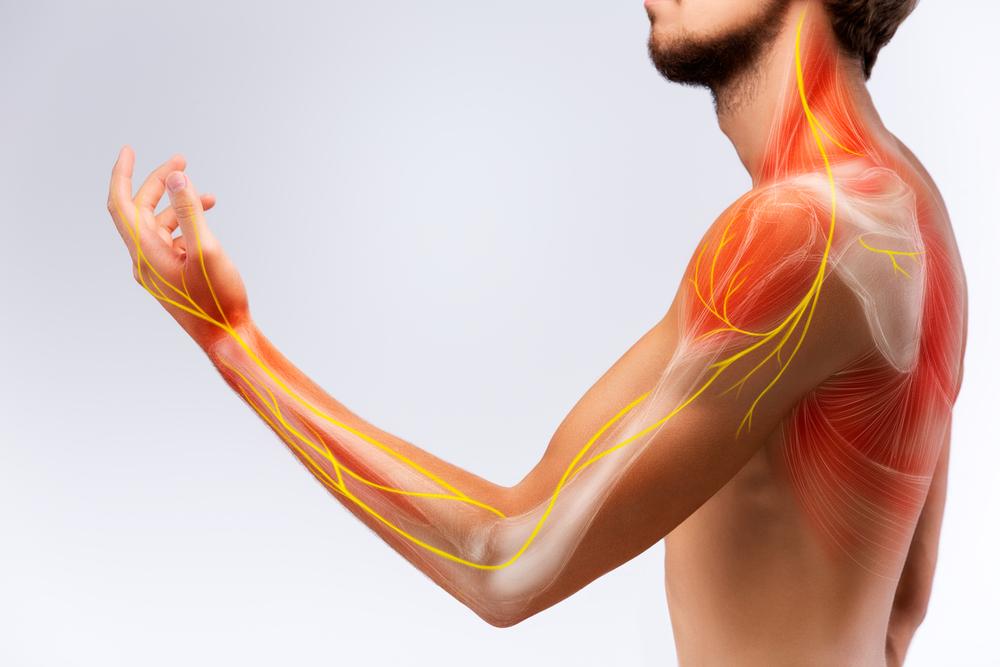
Pain that travels from the neck into the shoulder, arm, or hand can feel very different from ordinary muscle soreness. Some people describe it as burning, tingling, electric, sharp, or shooting pain, while others notice numbness or weakness alongside the discomfort.
These symptoms can sometimes occur when a nerve in the neck becomes irritated or compressed. Cervical radiculopathy, often described as a “pinched nerve,” can cause symptoms that extend from the neck into the shoulder, arm, or hand.
Physiotherapy may form part of conservative management for suitable cases. Physiotherapy in Edinburgh can provide a detailed assessment to understand where symptoms are coming from and how they are affecting movement, strength, and everyday activities.
Recognising Nerve-Related Arm Pain
Nerve-related symptoms can follow a particular pattern. Unlike general muscular aching, you may experience sensations that travel along the arm or into specific fingers.
Possible symptoms include:
- Sharp or shooting arm pain.
- Burning or electric sensations.
- Pins and needles.
- Numbness.
- Weakness in the arm or hand.
- Neck pain occurring alongside arm symptoms.
- Shoulder-blade discomfort.
- Symptoms that change with certain neck positions.
The exact symptoms can vary depending on which nerve is affected. For example, cervical nerve irritation may cause different patterns of weakness or altered sensation in different parts of the arm and hand.
Because several conditions can produce similar symptoms, professional assessment is important before assuming that a “trapped nerve” is the cause.
Why Assessment Comes Before Treatment
A physiotherapist can begin by discussing your symptoms, health history, daily activities, previous injuries, and how the problem has changed over time.
The physical assessment may include:
Neck movement:
The therapist may check whether certain neck movements reproduce or change your arm symptoms.
Strength:
Specific muscle groups in the shoulder, arm, and hand may be assessed for weakness.
Sensation:
Changes in sensation can provide useful information about possible nerve involvement.
Reflexes and neurological signs:
Where appropriate, a physiotherapist may assess reflexes and other neurological responses.
Functional movement:
Your ability to sit, reach, lift, work, exercise, or perform everyday tasks may also be considered.
This information helps determine whether physiotherapy is appropriate and whether further medical investigation or referral may be necessary.
How Physiotherapy May Help
Treatment depends on the findings of the assessment. There is no single exercise or technique that is suitable for every person with nerve-related arm pain.
A personalised programme may include several components.
Gentle Movement
When symptoms are aggravated by stiffness or particular positions, carefully selected neck and upper-body movements may help restore comfortable movement.
Exercises should be introduced at an appropriate level. If a movement significantly increases or spreads your arm symptoms, it is important to tell your physiotherapist rather than simply pushing through the discomfort.
Strength and Stability
Weakness around the neck, shoulder, or upper body may affect how comfortably you perform everyday activities.
Once symptoms are sufficiently controlled, a physiotherapist may introduce progressive strengthening exercises. These can be adapted to improve neck stability, shoulder function, upper-back strength, and arm capacity.
A gradual programme can also help you return to work, exercise, or other activities with greater confidence.
Manual Therapy
Selected hands-on techniques may be used as part of treatment. Depending on the individual presentation, these may include gentle joint mobilisation, soft-tissue techniques, or other approaches designed to improve movement and reduce discomfort.
Manual therapy is generally considered alongside active rehabilitation rather than as a standalone solution.
Managing Work and Screen-Time Habits
Long periods of sitting can sometimes aggravate neck-related symptoms. People who spend much of the day at a desk may notice increased discomfort when maintaining the same position for too long.
Your physiotherapist may recommend practical changes such as:
- Taking regular movement breaks.
- Adjusting your monitor position.
- Avoiding prolonged neck twisting.
- Using a suitable chair and workstation arrangement.
- Changing position regularly.
- Modifying repetitive activities temporarily.
- Gradually rebuilding tolerance for normal work tasks.
These adjustments are not about maintaining a rigid posture all day. Instead, they can help you vary positions and reduce unnecessary strain while your symptoms settle. Physiotherapy guidance for cervical radiculopathy commonly includes workstation and activity modifications.
What About Nerve Gliding Exercises?
Nerves need to move through surrounding tissues as the body moves. In some nerve-related conditions, physiotherapists may use carefully selected nerve-gliding or nerve-mobility exercises.
These exercises are not appropriate for everyone and should not be performed aggressively. A physiotherapist can determine whether they are suitable and teach you how to perform them safely. Nerve-gliding exercises are also used in the management of certain peripheral nerve conditions.
The aim is to support comfortable movement rather than deliberately reproduce strong tingling or pain.
Returning to Normal Activities
One important part of Physiotherapy in Edinburgh is helping you return to the activities that matter to you.
If arm pain has affected your ability to work, exercise, drive, lift, or participate in hobbies, your rehabilitation can gradually address those specific demands.
For example, treatment may progress from basic movement and symptom management toward:
Mobility → strength → endurance → functional movement → normal activity
The pace should depend on your symptoms and physical response. A gradual approach can help build confidence without unnecessarily overloading irritated tissues.
When Should You Seek Further Medical Advice?
Nerve-related symptoms deserve appropriate attention, particularly when they involve progressive weakness, significant numbness, or changes in coordination.
A physiotherapist can help identify signs that may require further assessment and can work with other healthcare professionals when necessary. Diagnostic investigations such as MRI or electrodiagnostic testing may sometimes be considered depending on the clinical presentation.
Seek appropriate medical assessment if symptoms are severe, rapidly worsening, associated with significant weakness, or accompanied by other unusual neurological changes.
Creating a Personalised Recovery Plan
The most effective approach is rarely about finding one “best” technique. Instead, Physiotherapy in Edinburgh can involve combining assessment, education, symptom management, movement, strengthening, and gradual return to activity.
Your plan may change as your symptoms improve. Early treatment may focus on reducing irritation and restoring comfortable movement, while later stages can concentrate more heavily on strength, endurance, and functional activity.
This progressive approach also gives you practical strategies that can be continued after formal treatment ends.
Final Thoughts
Nerve-related arm pain can be uncomfortable and sometimes worrying, particularly when symptoms include tingling, numbness, weakness, or shooting pain. When symptoms are related to irritation of nerves in the neck or another suitable musculoskeletal condition, physiotherapy may be part of a conservative treatment plan.
A detailed assessment can help identify the likely contributing factors and determine which approaches are appropriate. Treatment may include gentle movement, progressive strengthening, selected manual techniques, activity modification, education, and—in suitable cases—nerve mobility exercises.
Choosing Physiotherapy in Edinburgh provides an opportunity to address both your symptoms and the physical factors affecting your everyday movement, while ensuring that symptoms requiring further medical assessment are not overlooked.

 English
 French
 Deutsch
 Русский
 Greek
Greek