


Can Long-Term Parking Cause an Older Car's Door Locks to Stick?
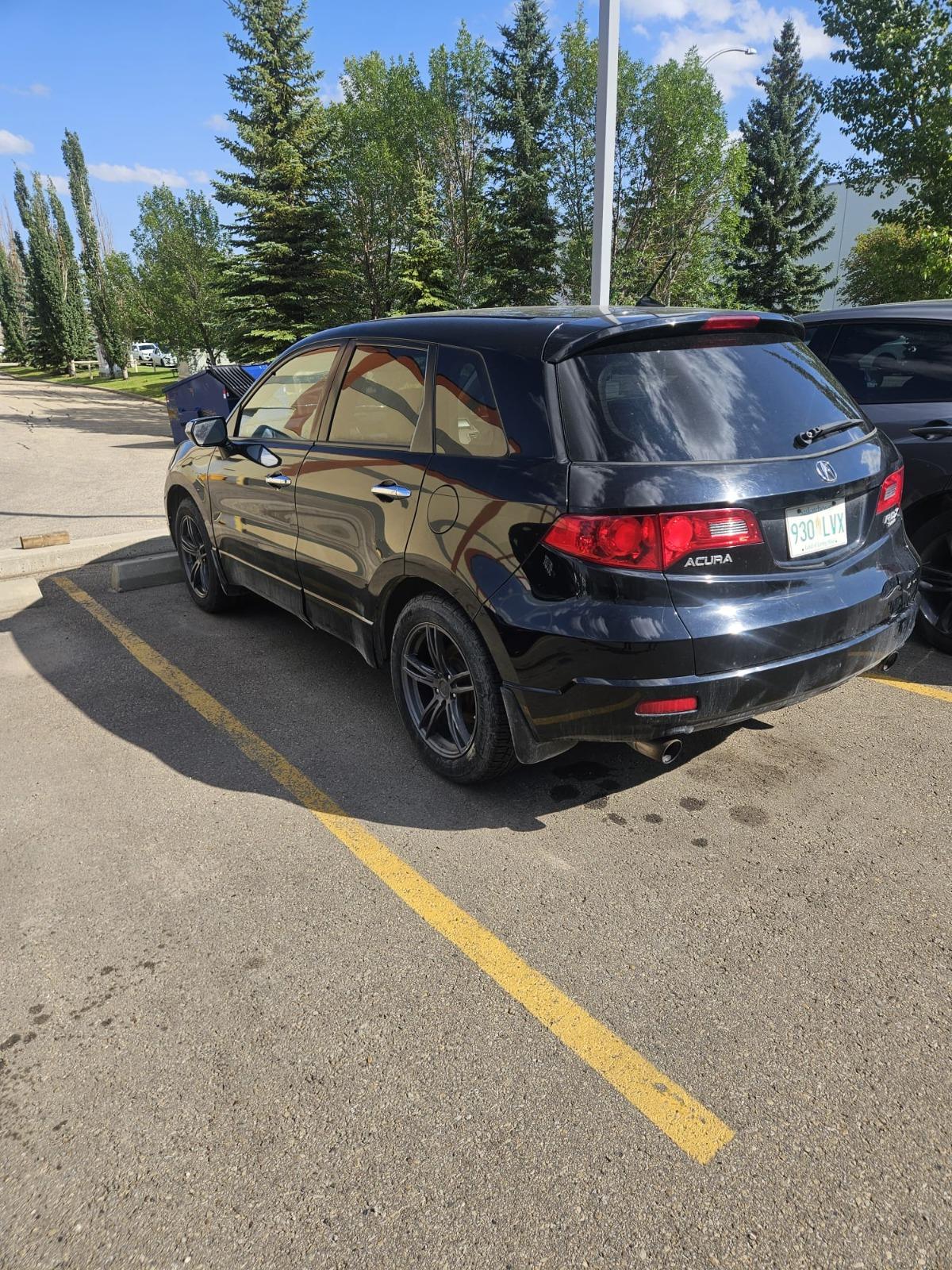
An older car can develop several unexpected problems when it remains parked for months without regular use. While owners often worry about the battery, tyres, or engine, door locks are another component that can become difficult to operate after long periods of inactivity.
You may notice that the key no longer turns smoothly, the door handle feels stiff, or the lock refuses to respond when you try to unlock the vehicle manually. In some cases, the remote locking system may also stop working, making it harder to access a car that has been sitting unused.
Long-term parking does not automatically cause door locks to fail. However, moisture, dust, corrosion, ageing components, and a lack of maintenance can contribute to sticking mechanisms. Understanding these causes can help you identify the problem early and decide whether a simple repair is enough or the vehicle needs more extensive attention.
1. Moisture Can Cause Rust and Corrosion
One of the main reasons an older car's door locks may stick is moisture entering the lock cylinder or surrounding mechanism. Rain, humidity, condensation, and repeated temperature changes can expose metal components to damp conditions.
When a car is driven regularly, owners may notice lock problems early and arrange maintenance. A vehicle that remains parked for months may receive little attention, allowing moisture-related deterioration to go unnoticed.
Over time, corrosion can affect small internal components and make the key harder to turn. The lock may feel rough, resist movement, or stop working altogether if the damage becomes severe.
Vehicles parked outdoors may face greater exposure to rain and changing weather conditions. Older locks can be particularly vulnerable if protective coatings have worn away or the mechanism has already accumulated dirt.
How to reduce the risk: Inspect exterior locks periodically, keep the surrounding area clean, and address signs of rust early. If a lock is already badly corroded, professional repair or replacement may be necessary.
2. Dust and Dirt Can Build Up Inside the Lock
A parked vehicle still collects dust and airborne debris, especially when it sits outdoors or in a poorly maintained storage area.
Over time, particles can enter the keyway and mix with old lubricant, creating a sticky residue. This buildup may prevent the internal parts from moving smoothly, making it difficult to insert or turn the key.
The problem can be particularly noticeable in older vehicles whose door locks have not been used regularly. A lock that previously worked without difficulty may suddenly feel stiff when the owner attempts to use it after several months.
Forcing the key is not a good solution. Excessive pressure can bend or break the key, potentially turning a minor maintenance issue into a more expensive repair.
Instead, use an automotive lock lubricant recommended for your vehicle and follow the product instructions. Avoid putting random household oils or heavy grease into the keyway, as unsuitable products can attract dirt and worsen the problem.
3. Lack of Lubrication Can Make the Mechanism Stiff
Door locks contain small moving parts that need to operate smoothly. As a vehicle ages, lubricant can dry out, become contaminated, or lose its effectiveness.
When a car remains unused for a long period, owners may overlook these components because the doors are rarely opened with a physical key. However, the lack of regular use does not prevent the lubricant from ageing.
A poorly lubricated lock may produce a grinding sensation, resist turning, or work inconsistently. Door hinges and latches may also become stiff, making the entire door difficult to open or close.
The appropriate lubricant depends on the component. A product suitable for the lock cylinder may not be the best choice for the hinges, rubber seals, or door latch.
Routine inspection and correct lubrication can help prevent unnecessary wear. If the mechanism remains stiff after appropriate maintenance, a mechanic or automotive locksmith can determine whether internal parts are damaged.
4. Cold Weather Can Make Sticking Locks Worse
Temperature changes can aggravate problems in an older vehicle's door locks. If moisture enters the mechanism and temperatures drop below freezing, water may freeze inside the lock and temporarily prevent the key from turning.
Cold weather can also make certain lubricants thicker and less effective, particularly if the wrong product has been used.
Rubber door seals may become stiff as well. If a seal sticks to the body during freezing conditions, the door may resist opening even when the lock itself is working correctly.
This distinction matters because a frozen door seal and a faulty lock require different solutions.
If the key will not turn during freezing weather, avoid forcing it. Use a suitable automotive lock de-icer when appropriate and check whether the door seal, lock cylinder, or latch is responsible for the problem.
Owners who park outdoors through winter should inspect door seals and locks before temperatures fall significantly.
5. Electrical Locking Systems May Stop Working
Many older vehicles have central locking systems that use electrical actuators to lock and unlock the doors. These systems can develop problems even when the mechanical lock itself remains functional.
A weak or discharged battery may prevent the remote from operating correctly. In other cases, a worn actuator, damaged wiring, faulty switch, or failing key-fob battery may be responsible.
Long-term parking can make these issues more noticeable because the vehicle's battery may gradually lose charge while the car remains unused.
Before assuming that every door lock has failed, check whether the problem affects one door or all doors. If the remote does not work but the mechanical key still operates normally, the issue may involve the remote, battery, or central locking system.
If one door remains locked while the others operate normally, the fault may be limited to that door's actuator, wiring, or latch.
A qualified technician can test the electrical system and identify the faulty component without unnecessary parts replacement.
6. Worn Keys and Ageing Door Components Can Add to the Problem
Sometimes the lock is not the only component responsible for the difficulty. An old or worn key may no longer engage the internal lock components properly.
Keys can become rounded, bent, or damaged through years of use. If a spare key works more smoothly than the original, the key itself may be contributing to the problem.
Other components can deteriorate with age, including door handles, latch mechanisms, connecting rods, and internal linkages. These parts may become stiff or worn even if the vehicle has not been driven recently.
Pay attention to the exact symptoms. If the key turns but the door remains locked, the issue may involve the latch or connecting mechanism rather than the lock cylinder.
A professional inspection can help distinguish between a worn key, a mechanical fault, and an electrical problem.
7. How Can You Prevent Door Locks From Sticking During Long-Term Parking?
Preventive maintenance can reduce the likelihood of lock problems developing while a vehicle sits unused.
Consider these practical steps:
-
Inspect the locks regularly: Check whether the key enters and turns smoothly.
-
Keep the vehicle clean: Remove dirt around door handles and exposed lock openings.
-
Use suitable lubricant: Follow the manufacturer's recommendations for lock cylinders, hinges, and latches.
-
Protect the car from moisture: Covered parking can reduce exposure to rain, although it does not eliminate humidity or condensation.
-
Check the battery: If the vehicle has central locking, inspect the battery condition before returning the car to regular use.
-
Avoid forcing the key: Stop if the lock resists movement to prevent key damage.
-
Address problems early: A lock that occasionally sticks may be easier to repair than one that has become completely seized.
Regular checks are particularly useful for older vehicles because small issues can develop alongside other maintenance problems during extended storage.
8. Is It Worth Repairing an Old Car With Sticking Door Locks?
A sticking door lock is often a manageable problem, but the decision to repair an older vehicle should take its overall condition into account.
If the issue involves cleaning, lubrication, or a minor component replacement, repair may be worthwhile. However, a vehicle with several failing locks, electrical faults, extensive rust, and major mechanical problems may require a much larger investment.
Before spending money, consider the estimated repair costs, the car's current market value, and whether you plan to use it regularly.
If the car is otherwise reliable, repairing the locks may restore convenience and security. If it has been parked for years and requires multiple expensive repairs, selling it may be a more practical option.
Owners who no longer want to maintain an ageing vehicle can explore cash for cars Calgary to compare selling it with the cost of restoring it.
For a vehicle that no longer runs or is too expensive to repair, junk car removal Calgary may be another option to investigate. Confirm the vehicle requirements, pickup arrangements, and any applicable towing costs before accepting an offer.
Conclusion
Long-term parking can contribute to an older car's door locks sticking when moisture, dirt, corrosion, ageing lubricant, and worn components interfere with their operation. Cold weather and battery problems can create additional difficulties, especially in vehicles that have not been inspected regularly.
Keeping the locks clean, using suitable lubricants, protecting the vehicle from excessive moisture, and checking the locking system periodically can help prevent avoidable damage.
If a lock becomes difficult to operate, avoid forcing the key and identify the underlying cause before attempting repairs. When the vehicle has several ageing components and repair costs continue to increase, comparing restoration expenses with selling options can help you make a more informed decision.

 Հայերեն
 French
 Deutsch
 Русский
 Greek