


What Happens When a Car's Sunroof Drainage System Becomes Blocked?
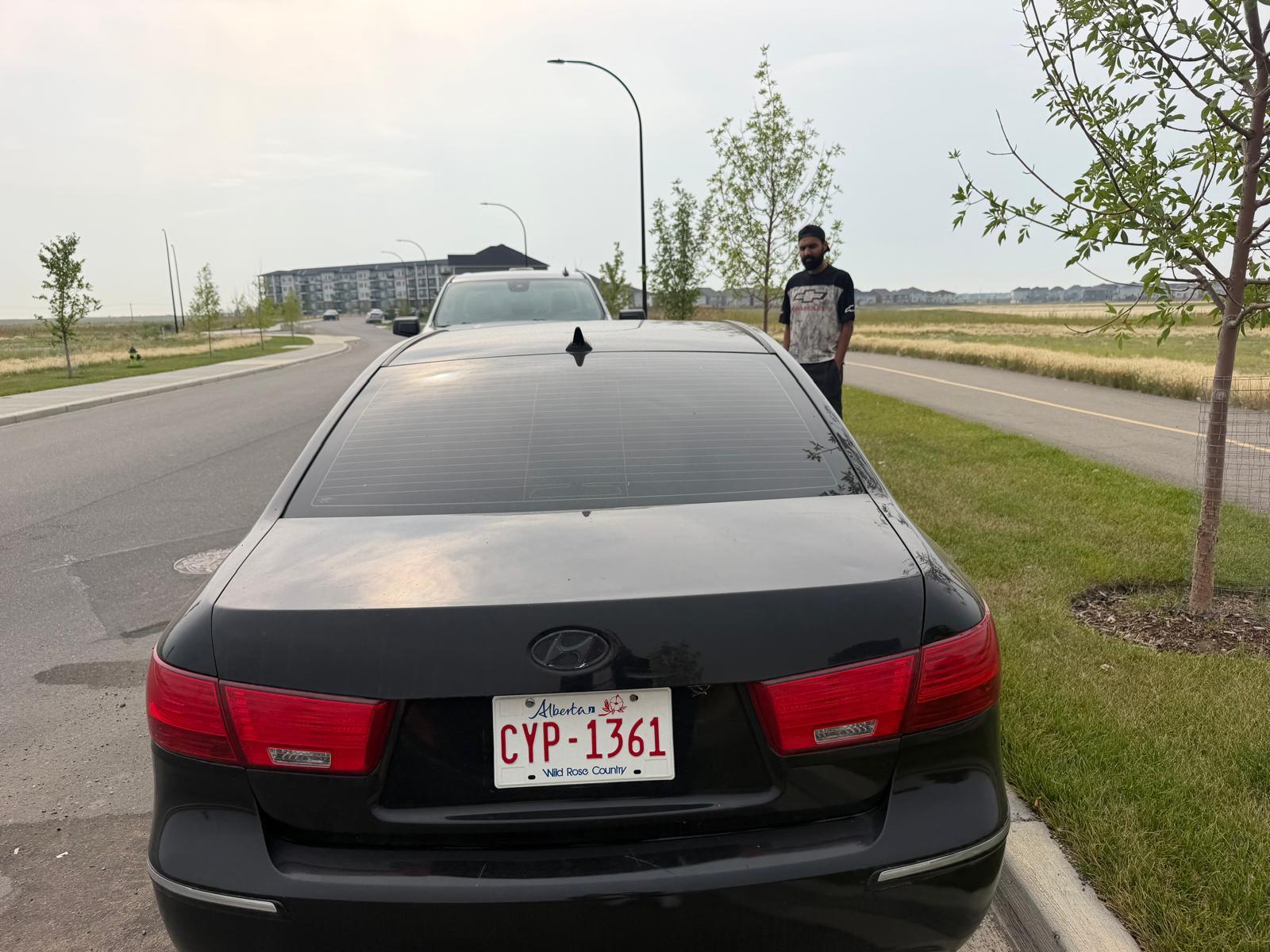
A sunroof can make driving more enjoyable by bringing fresh air and natural light into the cabin. However, many car owners do not realise that the sunroof also has a drainage system designed to manage water that collects around its edges. When these drains become blocked, rainwater can enter places where it should never be, causing damage that may remain hidden for weeks or months.
The problem often begins with something small, such as leaves, dust, pollen, or dirt accumulating near the sunroof. Over time, this debris can obstruct the drainage channels and prevent water from flowing away properly. Instead of draining beneath the vehicle, water may overflow into the headliner, door pillars, carpets, and other interior areas.
For owners of older vehicles, a blocked sunroof drain can become particularly frustrating because existing seal deterioration and ageing interior materials may make the damage worse. Understanding the warning signs and possible consequences can help you protect your vehicle before a minor blockage turns into an expensive repair.
1. Water May Leak Into the Vehicle's Interior
The most noticeable consequence of a blocked sunroof drainage system is water entering the cabin. Sunroofs are generally designed with drainage channels and tubes that carry away water entering the surrounding gutter area. They are not always completely watertight barriers that prevent every drop from reaching the drainage system.
When the drain tubes become clogged, water can collect around the sunroof frame. If the water level rises beyond the channel's capacity, it may spill into the cabin.
Common warning signs include:
-
Water dripping from the roof lining.
-
Wet patches around the sunroof opening.
-
Dampness near the upper corners of the windshield.
-
Water marks along the interior pillars.
-
Wet carpets after heavy rainfall.
The leak may appear only during storms or when a vehicle is parked on a slope. This can make the underlying problem difficult to identify.
Simply wiping away the water will not resolve the issue. The drainage channels need to be inspected and cleared, and any damaged seals or connections should be checked as well.
2. The Headliner and Interior Trim Can Become Damaged
Water entering through a blocked sunroof drain often travels along the roof structure before becoming visible. During this time, it can soak into the headliner, the fabric-covered material attached to the vehicle's ceiling.
Repeated exposure to moisture can leave yellow or brown stains, weaken adhesives, and cause the headliner to sag. In severe cases, sections of fabric may separate from the backing material and require professional repair or replacement.
Interior pillars and nearby trim can also absorb moisture. Plastic panels may conceal damp insulation, allowing the problem to continue even after the visible surface appears dry.
Repair costs can increase when several interior components need to be removed to locate the leak and dry the affected areas. This is why early inspection is usually more economical than waiting until the ceiling fabric begins to sag.
3. Damp Carpets Can Produce Persistent Musty Smells
Water from a sunroof leak does not always remain near the roof. It may travel down the pillars and collect beneath the carpets, where thick padding can retain moisture for an extended period.
A carpet that feels slightly damp on the surface may conceal a much wetter layer underneath. If the vehicle remains closed with limited ventilation, the trapped moisture can create a persistent musty smell.
Other possible consequences include:
-
Mould or mildew growth.
-
Discolouration of carpet fibres.
-
Deterioration of foam padding.
-
Unpleasant odours that return after cleaning.
-
Corrosion of metal components beneath the carpet.
Using an air freshener may temporarily hide the smell, but it does not remove the moisture causing it. The affected areas should be dried properly, and the source of the leak must be corrected.
If mould covers a large area or the cabin has a strong, persistent odour, professional cleaning and inspection may be necessary.
4. Electrical Components May Be Affected
Modern vehicles contain electrical wiring and electronic modules in several areas of the cabin. Depending on the vehicle's design, moisture entering through a sunroof can reach wiring connectors, sensors, lighting circuits, or other electrical components.
Water exposure may cause intermittent electrical faults, corrosion, warning lights, or problems with interior features. In some vehicles, electronic modules are located beneath seats or near the floor, making hidden water accumulation especially concerning.
You might notice windows behaving inconsistently, interior lights malfunctioning, or unexplained dashboard warnings after a leak.
These symptoms do not automatically mean the sunroof is responsible, but they should not be ignored when the vehicle has a history of water intrusion.
Avoid operating visibly wet electrical components or attempting repairs without the appropriate knowledge. A qualified mechanic or automotive electrician can inspect affected circuits and determine whether moisture has caused damage.
5. Why Do Sunroof Drains Become Blocked?
Sunroof drainage systems can become clogged gradually, especially when a vehicle is regularly parked outdoors.
Common causes include:
-
Leaves and twigs: Small pieces of vegetation can enter the drainage channels and collect near the drain openings.
-
Dust and road debris: Fine particles can accumulate inside the tubes over time.
-
Pollen and organic material: These substances can combine with moisture and form stubborn deposits.
-
Damaged or disconnected drain tubes: A tube that has shifted, cracked, or become pinched may prevent water from draining correctly.
Vehicles parked beneath trees may experience blockages more frequently because leaves, seeds, and other debris collect around the sunroof opening.
Older vehicles may also have deteriorated seals or ageing drainage components that make water leaks more likely. However, a leak does not always mean the drain is blocked; damaged seals and loose connections can cause similar symptoms.
6. How Can You Prevent Sunroof Drainage Problems?
Preventive maintenance is generally easier than repairing a water-damaged interior.
Start by inspecting the sunroof area periodically and removing visible leaves or dirt from the channels. Keep the surrounding surfaces clean so debris does not accumulate near the drain openings.
You can also check whether water drains properly, but follow your vehicle manufacturer's recommendations. Avoid pouring large amounts of water into the sunroof channels, forcing objects into drain tubes, or using high-pressure compressed air without knowing the system's design. These actions can damage or disconnect the tubes and create additional leaks.
If water continues to collect or the headliner becomes wet, have a qualified technician inspect the drainage system and seals.
After any repair, the affected carpet, insulation, and interior trim should be dried thoroughly. Fixing the blockage without addressing existing moisture can leave unpleasant odours and hidden damage behind.
7. Is Repairing an Old Car With a Sunroof Leak Worth It?
The answer depends on the severity of the damage and the vehicle's overall condition.
A simple blockage may be relatively inexpensive to resolve. However, a long-standing leak can require drain-tube repairs, headliner replacement, carpet drying, mould remediation, or electrical diagnosis.
Before approving expensive work, consider:
-
The estimated repair cost.
-
The vehicle's current market value.
-
Whether the engine and transmission are in good condition.
-
Whether other repairs are also needed.
-
How long you intend to keep the vehicle.
If the car is otherwise reliable, repairing the drainage system may be a sensible investment. If it already has major mechanical issues, extensive rust, and a water-damaged interior, the combined expenses may be difficult to justify.
In that situation, comparing repair costs with a potential sale can help you make a more informed decision. Exploring cash for cars Calgary may provide another option if you no longer want to maintain an older vehicle.
8. What If Water Damage Has Made the Car Too Expensive to Repair?
Sometimes a blocked sunroof drain is only one of several problems affecting an ageing vehicle. Persistent moisture, electrical faults, damaged upholstery, and mechanical wear can combine to make restoration costly.
If you decide to sell the car, describe the water damage honestly and explain whether the vehicle runs, whether its electronics work, and whether the interior has mould or persistent odours.
A private buyer may be interested in a repairable vehicle, while a scrap-car buyer may consider one that is no longer economical to restore. Offers vary according to the vehicle's make, model, condition, reusable parts, and other factors.
If repairs no longer make financial sense, you can explore cash for junk cars Calgary and ask about collection arrangements, towing charges, and the documents required to complete the sale.
Compare the available options before committing, especially if the vehicle has hidden water damage that could become more expensive over time.
Conclusion
A blocked sunroof drainage system can cause far more than a small water leak. If the problem remains unresolved, moisture may damage the headliner, carpets, upholstery, and electrical components while creating persistent musty smells.
Regular cleaning, careful inspection, and prompt attention to water leaks can help prevent these problems from becoming expensive repairs. If water is already entering the cabin, identify and fix the source before focusing on cosmetic damage.
For an older vehicle with extensive water damage, compare the repair costs with the car's overall value. Whether you choose to repair it, keep it in storage, or sell it, addressing the problem early can help you avoid unnecessary expenses.

 Հայերեն
 French
 Deutsch
 Русский
 Greek