


What Should You Do With an Old Car After Cancelling Its Insurance?
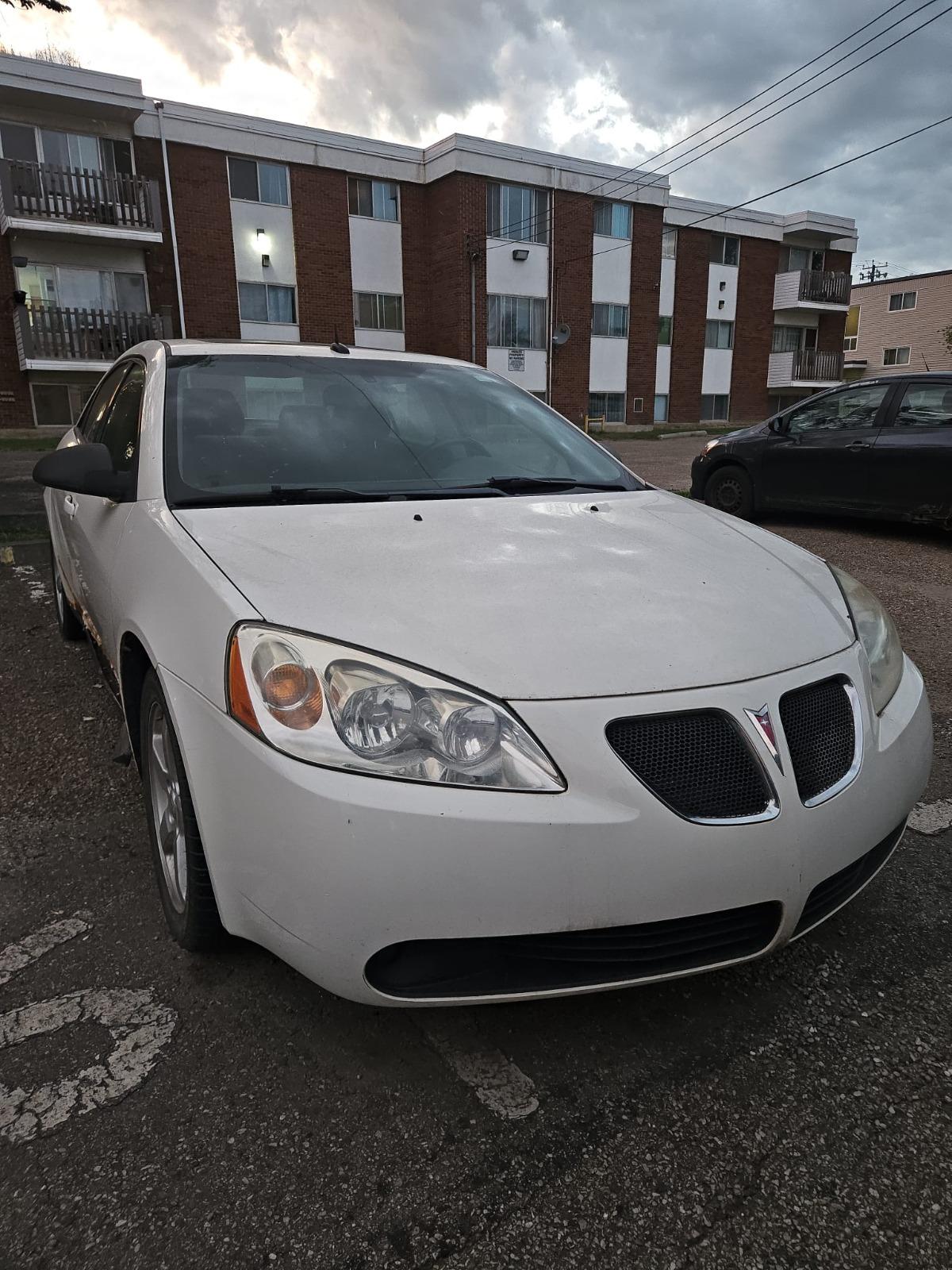
Cancelling car insurance can make sense when you no longer drive a vehicle, have purchased another car, or need to reduce your monthly expenses. However, if the old vehicle is still sitting in your driveway or garage, an important question remains: what should you do with it next?
An uninsured car may seem harmless when it is parked and unused, but leaving it unattended for months can create practical, financial, and maintenance problems. Its battery may fail, tyres may deteriorate, moisture can damage the interior, and mechanical components can develop issues. Depending on local regulations, keeping a registered vehicle uninsured may also create legal complications, even when it is not being driven.
The best option depends on the car's condition, your plans, and the cost of keeping it. Here are the most practical steps to consider after cancelling your insurance.
1. Make Sure the Car Is Legally Parked
The first step is to confirm that the vehicle can legally remain where it is parked.
Insurance and vehicle registration are separate matters, and the rules differ by location. Some jurisdictions require registered vehicles to maintain insurance even when they are not being driven. Others provide specific procedures for vehicles that are temporarily taken off the road.
Before leaving your car uninsured, check the requirements of your local vehicle registration authority. You may need to suspend or cancel the registration, surrender licence plates, or complete an off-road declaration.
Also consider where the vehicle is stored. A car parked on private property may be subject to different rules from one left on a public street. If you live in a rental property or residential community, check any applicable parking requirements.
Do not assume that parking a car in a garage automatically exempts it from every insurance or registration obligation.
2. Decide Whether You Still Need the Vehicle
Once the legal requirements are clear, consider why you are keeping the car.
Perhaps you purchased a newer vehicle and no longer need the old one. Maybe the car requires expensive repairs, or you stopped driving because of a change in your daily routine.
Ask yourself three questions:
-
Will I realistically use this vehicle again?
-
Can I afford the repairs and future insurance costs?
-
Is keeping the car more useful than selling it?
If you expect to use the vehicle again soon, temporary storage may be reasonable. However, if it has been sitting unused for a long time and you have no plans to drive it, selling it could be the more practical choice.
An old car does not necessarily become worthless just because it is no longer insured. Its condition, model, reusable parts, and overall demand can still influence its value.
If you decide to sell, exploring cash for cars in Edmonton can help you consider an alternative to paying ongoing costs for a vehicle you no longer need. Compare offers and confirm the pickup arrangements before committing.
3. Understand the Risks of Leaving an Unused Car Unattended
Cancelling insurance does not directly damage a vehicle, but prolonged inactivity can allow existing problems to develop.
A car that remains parked for several months may experience:
Battery failure: Batteries gradually lose charge, particularly when a vehicle is left unused for extended periods.
Tyre deterioration: Tyres can lose pressure, develop flat spots, or suffer age-related damage.
Fluid and fuel problems: Old fuel may deteriorate, while unnoticed fluid leaks can damage nearby components or the parking surface.
Rust and corrosion: Moisture, road salt, and poor storage conditions can contribute to corrosion on exposed metal and underbody components.
Interior damage: Sunlight can fade upholstery, while trapped moisture can produce musty smells, stains, and mould.
These issues may increase the cost of returning the vehicle to working condition. If you intend to keep the car, periodic inspections can help identify problems before they become more expensive.
4. Consider Whether Storage Is Worth the Cost
If you plan to keep the vehicle, choose a suitable storage location. A garage or covered parking space can protect it from direct sunlight, rain, and other environmental conditions.
Before storing it for an extended period, remove rubbish and food, clean the interior, check for leaks, and ensure the tyres are properly inflated according to the manufacturer's recommendations.
You should also ask your insurance provider whether any storage or reduced-coverage policy is available. Cancelling a standard policy may not be the only option, although coverage availability and requirements vary.
Remember that storage does not eliminate every expense. You may still need to account for registration obligations, maintenance, repairs, and possible storage fees.
Compare these costs with the vehicle's current value. If keeping the car costs more than the benefit you expect to receive, selling it may be worth considering.
5. Repair the Car Before Selling It or Leave It As-Is?
Some owners consider repairing an old vehicle before selling it, hoping to receive a higher price. However, not every repair provides a worthwhile return.
Minor cleaning, removing personal belongings, and gathering maintenance records can make a vehicle easier to evaluate. Expensive repairs are a different matter.
For example, replacing a failed engine, repairing a transmission, or addressing extensive rust may cost more than the increase in the car's selling price.
Before spending money, obtain repair estimates and compare the expected resale value with the total expense.
If the car is mechanically sound, a private sale may attract buyers who want an affordable vehicle. If it is damaged, non-running, or nearing the end of its useful life, selling it to a scrap or junk car buyer may be more practical.
6. Explore Selling the Car Without Renewing Its Insurance
If you no longer need the vehicle, you may be able to sell it without purchasing a new insurance policy solely for the sale. However, the exact process depends on local rules, registration status, ownership documentation, and the buyer's requirements.
Start by gathering your ownership documents, keys, available service records, and any paperwork related to outstanding loans or liens.
Then consider the main selling options.
Private sale: This may be suitable for a working vehicle with reasonable resale value. Buyers may want to inspect it, but you should not allow it to be driven on public roads without the legally required insurance and registration.
Dealer or trade-in: Some dealers accept older vehicles, although the offer will depend on their policies and the vehicle's condition.
Scrap or junk car buyer: This option may suit a damaged, non-running, or unwanted vehicle. Ask whether collection is available and whether towing costs are included in the offer.
Before handing over the car, confirm the payment arrangement, complete the required transfer paperwork, and follow local procedures for the registration and licence plates.
If your car is no longer economical to repair, you can also investigate cash for junk cars in Edmonton to compare a scrap-car sale with the cost of keeping it. Ask about accepted vehicle conditions, towing, and any required ownership documents before arranging collection.
7. Avoid Common Mistakes After Cancelling Insurance
A few simple precautions can help prevent unnecessary problems.
First, never assume that an uninsured vehicle can be driven simply because it is only travelling a short distance. Arrange appropriate transportation if you need to move it.
Second, do not leave the vehicle indefinitely without checking local registration requirements. An insurance cancellation may trigger obligations that are separate from the policy itself.
Third, avoid spending heavily on a vehicle without comparing its repair costs with its market value.
Finally, keep records of the insurance cancellation, sale agreement, and ownership transfer. If you sell or dispose of the car, notify the relevant registration authority and insurer as required.
Conclusion
After cancelling insurance on an old car, your main options are to store it properly, prepare it for future use, or sell it if you no longer need it.
The right choice depends on the vehicle's condition, your budget, and local insurance and registration rules. If you intend to keep the car, check the legal requirements and take steps to prevent deterioration. If the vehicle has become an unnecessary expense, compare private-sale offers with options for selling it as a junk or scrap car.
Making a decision early can help you avoid unnecessary maintenance costs, reduce storage problems, and get better value from a vehicle you no longer use.

 Հայերեն
 English
 French
 Deutsch
 Русский