


Spreadsheet for Bill Tracking & Debt Tracker Spreadsheet
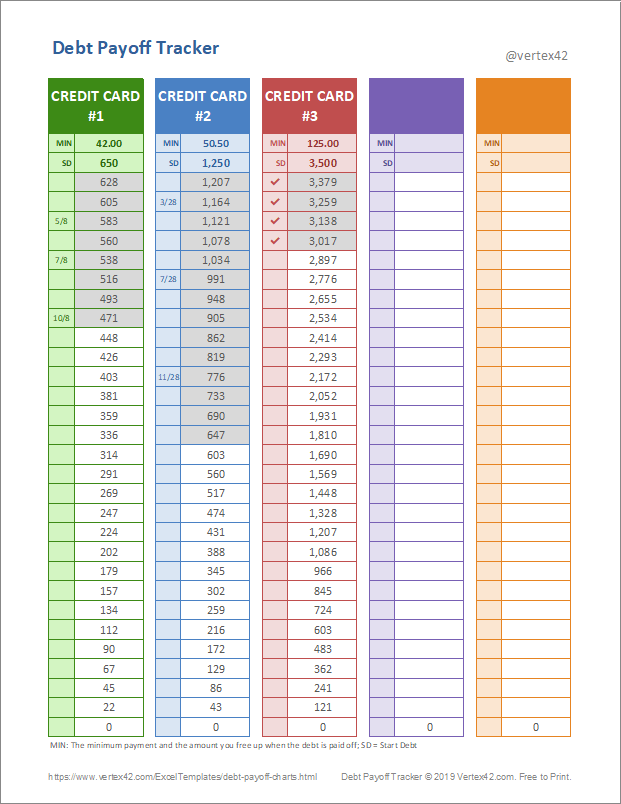
Spreadsheet for Bill Tracking & Debt Tracker Spreadsheet.
Use a spreadsheet for bill tracking and debt tracker spreadsheet to organize payments, monitor balances, and build better money habits.
Take Control of Your Money With Spreadsheets
Managing bills and debt can sometimes feel like juggling ten balls at once. A spreadsheet for bill tracking can bring all your payments into one organized place, while a debt tracker spreadsheet can help you monitor balances and repayment progress.
With a few simple columns and formulas, your spreadsheet can turn financial chaos into a clear plan.
What Is a Spreadsheet for Bill Tracking?
A spreadsheet for bill tracking is a simple tool for recording and monitoring recurring payments. Instead of remembering every due date, you can put everything into one organized sheet.
Useful columns can include:
-
Bill name
-
Due date
-
Amount due
-
Payment status
-
Payment date
-
Notes
You can also add reminders or color coding to make upcoming and completed bills easier to identify.
Why Use a Bill Tracking Spreadsheet?
Missing a payment can create unnecessary stress. A spreadsheet helps you see what needs to be paid and when.
You can use it to track rent, utilities, subscriptions, internet bills, insurance, loan payments, and other recurring expenses.
The best part? Once your information is organized, checking your upcoming payments can take only a few minutes.
What Is a Debt Tracker Spreadsheet?
A debt tracker spreadsheet is designed to help you monitor outstanding balances and repayment progress.
You can create columns for:
-
Creditor name
-
Original balance
-
Current balance
-
Interest rate
-
Minimum payment
-
Extra payment
-
Due date
-
Remaining balance
As payments are made, update the balance and watch your debt gradually move toward zero.
How a Debt Tracker Spreadsheet Can Help
Debt repayment becomes easier to understand when you can actually see the numbers changing.
A debt tracker spreadsheet can help you:
-
Organize multiple debts
-
Monitor outstanding balances
-
Track payment history
-
Compare interest rates
-
Record extra payments
-
Visualize repayment progress
Seeing a balance decrease month after month can also make your financial progress more motivating.
Combine Bill Tracking and Debt Management
Why use separate systems when you can organize both in one workbook?
Create one sheet for your regular bills and another for debt. You could also add a monthly summary showing:
| Category | Planned | Actual |
|---|---|---|
| Bills | 500 | 480 |
| Debt Payments | 300 | 350 |
| Savings | 200 | 200 |
This gives you a quick snapshot of where your money is going each month.
Make Your Spreadsheet Easy to Use
A financial spreadsheet doesn't need to look complicated. Keep the layout clean and use consistent categories.
Helpful features include:
-
Drop-down menus for payment status
-
Automatic totals
-
Conditional formatting
-
Monthly summaries
-
Progress charts
-
Due-date tracking
You can also create a simple dashboard that shows total bills, total debt, payments made, and remaining balances.
Turn Financial Tracking Into a Habit
The most useful spreadsheet is one you actually update. Set aside a few minutes each week to record payments and check upcoming due dates.
Whether you're managing household expenses or working toward paying off multiple balances, a spreadsheet for bill tracking and debt tracker spreadsheet can give you a clearer view of your finances.
Small updates can lead to big clarity—and sometimes that's exactly what your budget needs.

 Հայերեն
 English
 French
 Deutsch
 Русский