


Custom WordPress Theme and Plugin Development Explained
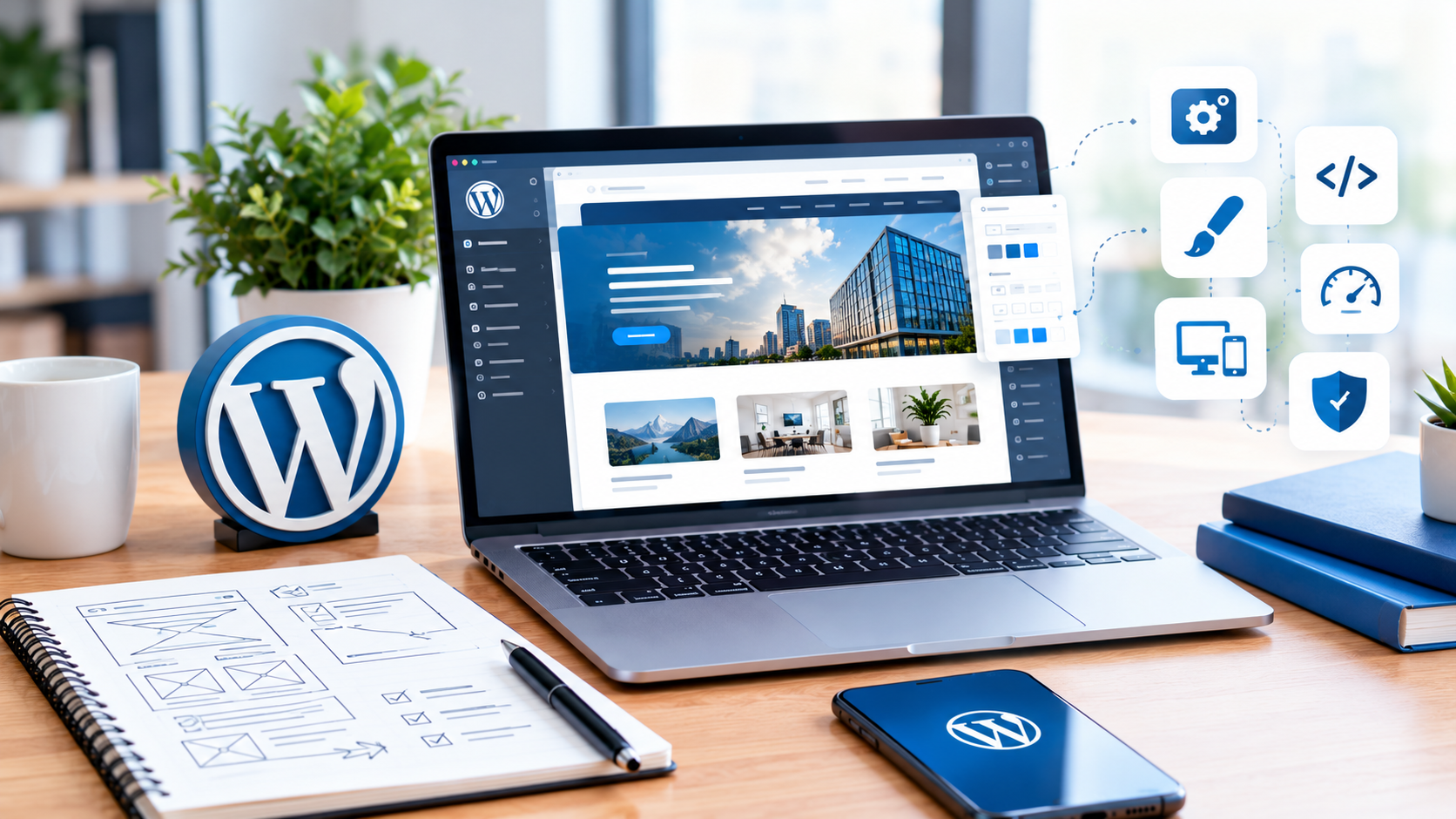
Many business owners hear the words theme, plugin, and custom code without knowing how they fit together. Understanding the difference helps you plan your budget, ask for the right work, and avoid paying for things you do not need. A theme controls the look of your website, a plugin adds functionality, and custom development connects both to your exact business needs. Good wordpress development services in Pakistan explain these choices in plain language before any work begins. In this guide, Xcentric Services breaks down how themes and plugins work, when custom development makes sense, and which quality checks protect your website.
How Themes, Plugins, and Custom Code Work Together
Themes and Plugins: The Basic Difference
Think of a theme as the design layer and a plugin as the feature layer. The theme decides how headers, menus, fonts, colours, and page layouts appear. A plugin adds abilities such as forms, galleries, security tools, booking systems, or online payments. Keeping these two layers separate is a best practice: if your design changes, your features should still work, and if a feature needs an update, your design should stay intact. Developers follow WordPress standards so that themes and plugins communicate through hooks and filters instead of editing core files, which keeps updates safe.
Ready-Made Themes Versus Custom Themes
Ready-made themes are quick and affordable, and they work well for simple websites. Their drawbacks are extra code you may never use, limited uniqueness, and sometimes slower performance. A custom theme is built around your brand, content structure, and goals, so it loads only what it needs. A wordpress development company may also use a lightweight starter theme or a child theme to speed up work while keeping control over quality. The best choice depends on your budget, timeline, and how much you want your design to differ from competitors.
Custom Post Types and Custom Fields
Not every website is made of simple pages and blog posts. A real estate site needs properties, a school needs courses, and a clinic needs treatments and doctor profiles. Custom post types let developers create these content structures inside WordPress, while custom fields store details such as price, duration, location, or qualifications. This gives your team tidy forms to fill in, and it gives visitors consistent, easy-to-scan pages. It also helps search engines understand your content, especially when combined with schema markup that describes the details on each page.
APIs and Third-Party Integrations
Businesses rarely work with one tool. You may use a CRM, email marketing software, an appointment system, or an accounting platform. Developers use the WordPress REST API and the APIs of other services to connect these systems so information flows automatically. For example, a form submission can create a lead in your CRM and send a confirmation email at once. Planning integrations early is wise, because they affect data structure, security, and testing. Careful wordpress website development services document each connection so it can be maintained later.
Code Quality, Testing, and Staging
Good code is readable, secure, and efficient. Developers sanitise user input, escape output, and use nonces to protect forms, which reduces common attack risks. They also write code that follows PHP and WordPress standards and keep database queries efficient for MySQL. Before anything goes live, changes should be tested on a staging copy of the site across browsers and devices. Version control, such as Git, records every change and makes it easier to fix errors. These steps may be invisible to visitors, but they decide whether your website stays stable as it grows.
Frequently Asked Questions
What is the difference between a theme and a plugin?
A theme controls the appearance and layout of your website, while a plugin adds specific features such as forms, security, SEO tools, or e-commerce. Keeping them separate makes updates and redesigns easier.
Do I need a custom theme or is a ready-made one enough?
A ready-made theme is enough for many simple sites. A custom theme is better when you want a unique design, faster loading, specific layouts, or a structure that standard themes cannot provide.
When should I choose a custom plugin?
Choose a custom plugin when an existing one does not match your process, adds too much unused code, or cannot connect to your systems. Custom plugins deliver exactly the feature you need and nothing extra.
Can plugins slow down my website?
Yes, poorly coded or unnecessary plugins can add weight and extra database queries. Use only trusted plugins, remove unused ones, and have a developer review performance regularly.
Is custom development available in Lahore?
Yes. Many teams offer wordpress website development services in Lahore that include custom themes, plugins, and integrations. Ask to see examples of similar work before you decide.
Will I be able to update a custom-built site myself?
Yes. Developers can create simple admin screens, custom fields, and reusable blocks so your team can edit content easily without touching code, and they should provide short training or guides.
Final Thoughts
Themes, plugins, and custom code each have a place in a well-built website. Ready-made tools save time, while custom development gives you precision Xcentric Services where it matters most. Ask your developer to explain why each choice is being made, how it affects speed and security, and how it will be maintained. With clear planning and quality standards, your WordPress website becomes a dependable asset that supports your business goals.

 Հայերեն
 English
 French
 Deutsch
 Greek