


How Smoke Residue Can Affect Boat Electronics Long After a Fire
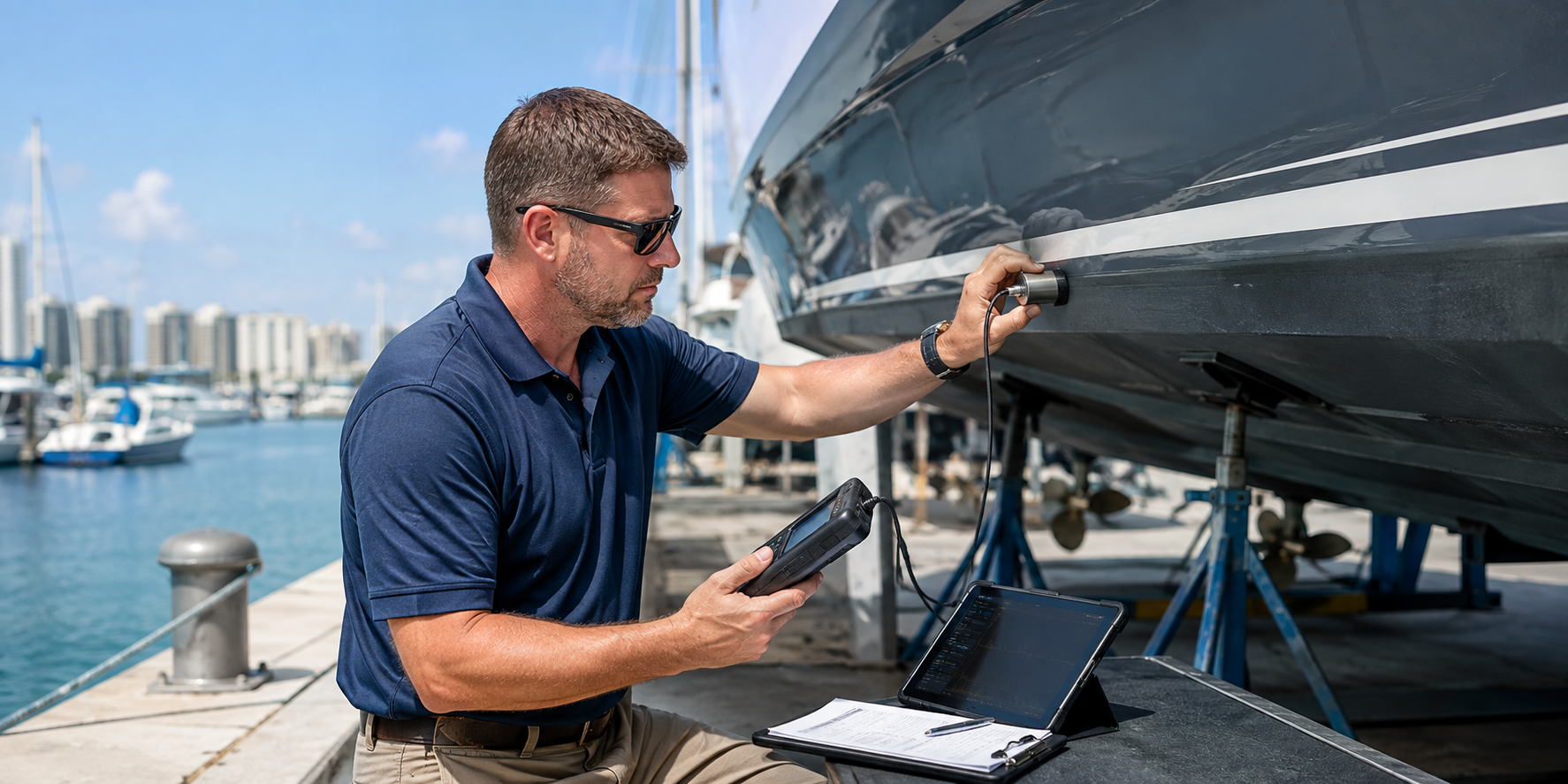
A boat fire can leave behind damage that continues to affect the vessel long after the flames have been extinguished. Even when fire does not directly reach the navigation console, engine controls, communication equipment, or electrical panels, smoke can travel through compartments and leave residues on nearby surfaces. These deposits may contribute to corrosion, electrical faults, and unreliable equipment performance over time.
For boat owners, the challenge is that smoke damage is not always easy to identify. Electronics may appear undamaged from the outside, and some equipment may continue operating normally immediately after an incident. Problems can emerge later as residue interacts with moisture, electrical contacts, and sensitive internal parts.
Understanding how smoke affects marine electronics can help owners make informed decisions about inspection, cleaning, repair, and replacement after a fire.
How Smoke Residue Reaches Boat Electronics
Smoke consists of a mixture of gases and airborne particles produced by combustion. Its composition depends on the materials that burned, the conditions of the fire, and the amount of oxygen available. On a boat, burning wiring insulation, plastics, upholstery, coatings, and other materials can release residue that settles on nearby electronic components, even when those devices are not directly exposed to flames.
As smoke moves through the vessel, it can enter cabins, helm stations, machinery spaces, lockers, and areas containing electrical equipment. Ventilation openings, cable passages, access panels, and gaps around equipment can allow fine particles to reach locations that were not directly exposed to flames.
The residue left behind may contain soot, oily deposits, acidic compounds, or other contaminants. The specific composition varies from one fire to another, so the appropriate cleaning and inspection methods depend on the materials involved and the equipment affected.
A navigation display located some distance from the fire may still have smoke residue around its vents or connectors. Similarly, electrical panels inside a compartment may be contaminated even if the surrounding surfaces show little obvious heat damage.
For this reason, a post-fire assessment should consider the path smoke may have taken through the boat rather than focusing only on areas with visible burning.
Why Smoke Can Damage Electronic Equipment
Marine electronics rely on electrical circuits, connectors, circuit boards, switches, and other components that must operate within particular electrical and environmental conditions. Smoke residue can interfere with these systems in several ways, especially when contaminants remain on surfaces or enter equipment enclosures.
Some residues attract or retain moisture. In the presence of humidity or condensation, certain contaminants can contribute to corrosion of metal contacts and circuit-board traces. Deposits may also create unwanted electrical paths across surfaces that should remain electrically isolated.
The severity of the risk depends on the residue's composition, the equipment's design, the degree of contamination, and the surrounding environment. Saltwater exposure and high humidity may add further complications in a marine setting.
Not every smoke deposit will cause immediate failure. A device may continue to operate despite contamination, while deterioration develops gradually or becomes apparent only under certain conditions. Intermittent faults can be particularly difficult to diagnose because they may not occur during a brief functional check.
Simply wiping the outside of a device is therefore not enough to establish that its internal electronics are clean or reliable.
Corrosion and Long-Term Electrical Problems
Corrosion is one of the main concerns when assessing electrical equipment after smoke exposure. Contaminants deposited on connectors, terminals, and circuit boards may react with moisture and the metals beneath them. Over time, this can affect electrical conductivity, connection quality, or the physical integrity of small components.
Connectors are especially important because marine equipment often uses multiple plugs and terminals to allow installation, servicing, and replacement. Contamination at these points may contribute to increased resistance, intermittent communication, or unstable power delivery.
The effects can vary. A corroded connection may cause a display to restart unexpectedly, a sensor to provide inconsistent readings, or a communication device to lose its connection. Other faults may appear only when equipment warms up, vibrates, or operates for an extended period.
However, a fault discovered after a fire should not automatically be attributed to smoke. Heat exposure, firefighting water, pre-existing corrosion, damaged wiring, and unrelated equipment failures may produce similar symptoms. Establishing the likely cause requires examination of the specific equipment and the available evidence.
Documenting the location and condition of affected connections can help technicians distinguish between visible contamination, confirmed component damage, and possible underlying causes.
How Smoke Affects Sensitive Electronic Components
Modern boats may contain chartplotters, radar displays, GPS receivers, autopilot controls, engine monitoring systems, digital switching equipment, radios, and networked sensors. These electronic components can be vulnerable to contamination because many contain compact circuits, fine electrical connections, and enclosed spaces that are difficult to inspect without appropriate equipment.
Smoke residue may accumulate around cooling vents, buttons, connectors, and seams in equipment housings. If contaminants reach internal circuit boards, they may contribute to corrosion or electrical leakage. Heat from the fire may also damage solder joints, insulation, displays, and other parts, even where soot is the most visible sign of the incident.
Some devices include protective housings or conformal coatings designed to provide a degree of environmental protection. These features do not guarantee immunity from fire-related contamination. The level of protection varies by product, and seals or housings may themselves be affected by heat.
Equipment should not be opened casually or cleaned using household products. Certain solvents, liquids, and cleaning methods can damage coatings, seals, displays, or sensitive circuitry. Manufacturer guidance and qualified electronics technicians can help determine whether a device can be safely cleaned, tested, repaired, or should be replaced.
Navigation and Communication Systems Need Special Attention
Navigation and communication equipment plays an important role in operating a boat safely. After a fire, owners should not assume that these systems are reliable simply because their displays turn on.
Chartplotters, GPS units, radar, radios, and autopilot systems may depend on multiple connections, antennas, sensors, and power supplies. Smoke contamination or heat damage affecting just one part of a system may cause incorrect readings, reduced performance, or intermittent operation.
A radio might power up but have a damaged antenna connection. A navigation display might show a chart while receiving unreliable data from an external sensor. An autopilot control unit might respond to commands even though another part of the system has been compromised.
These examples illustrate why testing should cover the relevant system rather than only the visible display. Appropriate checks may include inspecting wiring and connectors, confirming communication between connected devices, and following manufacturer-recommended diagnostic procedures.
Until essential equipment has been assessed, operators should consider whether the boat can be used safely without relying on potentially affected systems. The appropriate decision depends on the vessel, the equipment involved, and the operating conditions.
Firefighting Water Can Compound Smoke Damage
Smoke is not the only source of potential electrical problems after a boat fire. Water used to extinguish flames can enter equipment housings, electrical panels, cable runs, and compartments. When combined with smoke residue, moisture can increase the risk of corrosion and unwanted electrical paths.
Saltwater contamination can be particularly challenging because dissolved salts may remain after the water evaporates. These residues can attract moisture and continue to affect electrical connections if they are not addressed appropriately.
Even freshwater exposure may create problems when it reaches equipment that is not designed to be submerged or exposed to internal moisture. Heat can also damage seals, allowing water to enter areas that were previously protected.
Owners should avoid repeatedly powering up equipment simply to see whether it works. Energizing contaminated or wet electronics may cause further damage or create electrical hazards. The correct response depends on the type of equipment and the nature of the exposure, so qualified technicians should determine the appropriate isolation, cleaning, drying, and testing procedures.
Why Cleaning Alone May Not Be Enough
Cleaning can remove some smoke residues, but the process must be suitable for the equipment and the contaminants involved. External cleaning may improve appearance without addressing residue that has entered connectors, switches, or circuit boards.
Some deposits are difficult to remove, and certain contaminants may require specialized cleaning procedures. Equipment that has experienced high heat or water intrusion may also have damage that cleaning cannot reverse.
A technician may need to inspect internal areas, evaluate corrosion, test circuit operation, and consult manufacturer guidance before recommending further work. Depending on the findings, a device might be suitable for professional cleaning and testing, require repair, or need replacement.
The decision should consider more than whether the unit powers on. Reliability, the role of the equipment, the availability of replacement parts, and the consequences of failure are all relevant factors.
For critical navigation, communication, engine monitoring, and safety-related systems, owners should be especially cautious about returning equipment to service without an appropriate evaluation.
Documenting Smoke Damage After a Boat Fire
Accurate documentation helps establish what was affected and what further work may be needed. Before cleaning or dismantling equipment, where it is safe and practical to do so, owners should record visible soot, damaged wiring, affected panels, water intrusion, and other relevant conditions.
Photographs can help show the distribution of residue and the relationship between equipment and the fire-affected areas. Available incident reports, repair invoices, equipment service records, and details about firefighting efforts may also provide useful context.
A marine survey can document observable damage and identify areas requiring further attention within the agreed scope. Specialized marine electronics technicians may then be needed to assess circuit boards, communications systems, navigation equipment, and other devices in greater detail.
The roles of these professionals are different. A general marine survey does not automatically include detailed internal testing of every electronic device. Where the cause or extent of a fault is uncertain, additional technical evaluation may be necessary.
Reports should distinguish between observed contamination, confirmed functional problems, suspected damage, and conclusions that require further testing. This creates a clearer record for repair planning and any subsequent technical or insurance review.
Preventing Future Problems After Restoration
After the initial assessment, the next step is to establish a suitable restoration plan. The plan may include cleaning contaminated equipment, replacing damaged wiring or connectors, repairing affected devices, and verifying the operation of connected systems.
Equipment should be tested according to appropriate technical procedures, and any remaining limitations should be documented. If a system relies on multiple sensors or networked devices, its supporting connections should be evaluated as well.
Owners should also address the conditions that contributed to smoke or moisture reaching protected areas where relevant. Damaged seals, compromised cable entries, and affected ventilation components may require attention as part of the broader restoration.
Keeping records of inspections, cleaning, repairs, replacement parts, and testing can help future technicians understand what work has been completed. It also provides a reference if intermittent problems appear later.
A cautious return-to-service process is preferable to relying on a brief power-on test. The aim is to establish, as far as reasonably possible, that affected equipment has been appropriately assessed and is suitable for its intended use.
Conclusion
Smoke residue can affect boat electronics long after a fire by contributing to corrosion, contaminating connectors, interfering with circuits, and exposing equipment to additional problems when moisture is present. Damage may not be immediately visible, and a device that initially works can still develop faults later.
A thorough response should consider the path of smoke through the vessel, the possible effects of firefighting water and heat, and the importance of each affected system. Cleaning and visual checks may be useful first steps, but they do not necessarily establish the internal condition or long-term reliability of electronic equipment.
Documenting the damage, following manufacturer guidance, and involving qualified marine electronics technicians where appropriate can help determine whether equipment requires cleaning, repair, further testing, or replacement. Careful evaluation is especially important when navigation, communication, propulsion monitoring, or safety-related systems may have been affected.

 Հայերեն
 English
 French
 Русский
 Greek