


Is Tattoo Removal Safe for Most Skin Types?
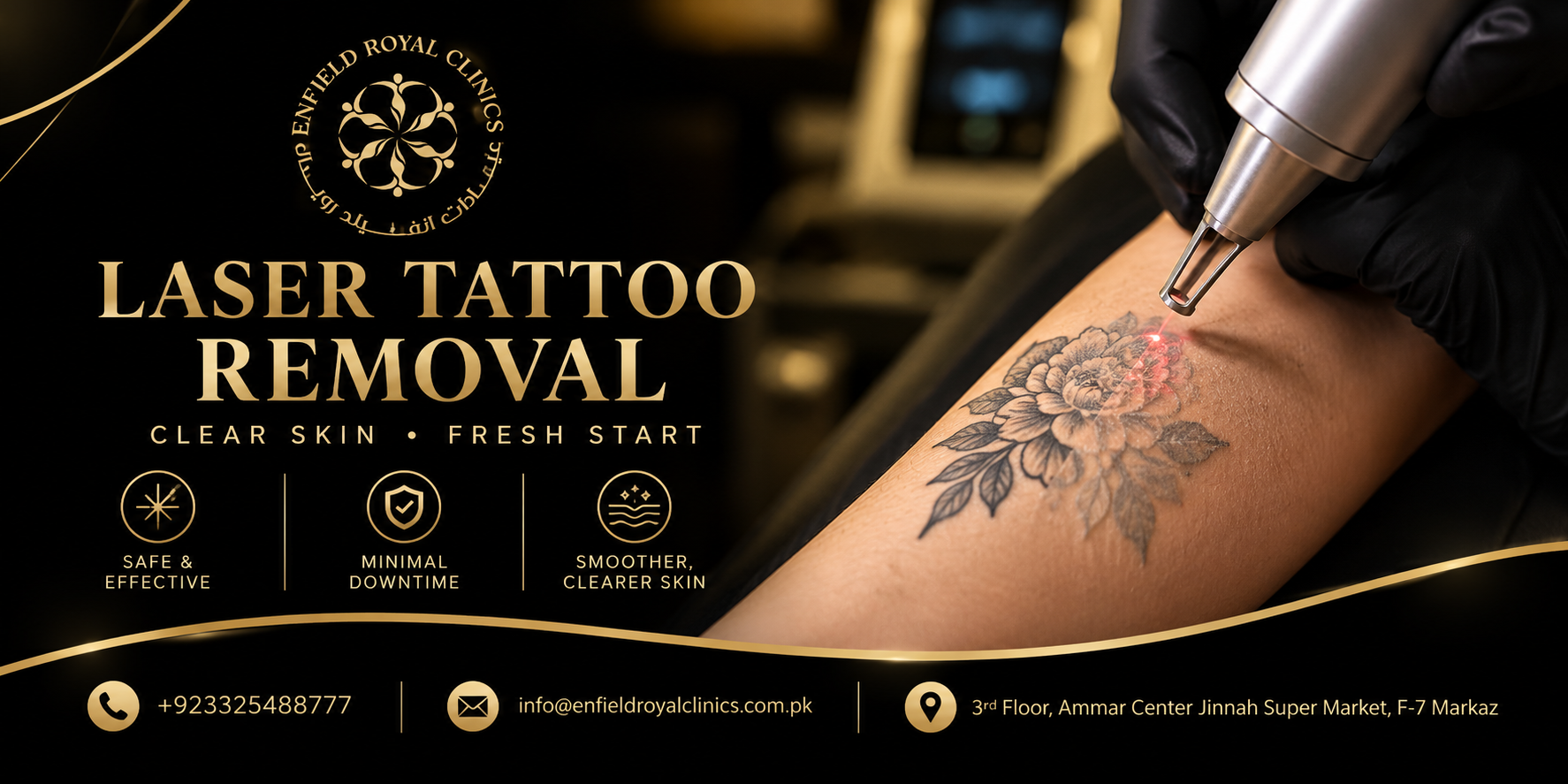
Tattoo removal has become an increasingly popular option for people who want to fade unwanted body art or remove designs that no longer suit their preferences. Advances in laser technology have made it possible to treat many tattoos across a range of skin types. However, safety depends on more than the tattoo itself. Skin tone, sensitivity, medical history, laser selection, and aftercare all influence how the skin responds to treatment.
For individuals considering Tattoo Removal in Islamabad, one important question is whether the procedure is suitable for both lighter and darker skin. In many cases, laser tattoo removal can be performed safely across different skin tones when the treatment is carefully planned and appropriate equipment is used. Nevertheless, no procedure is entirely risk-free, and some skin types require additional precautions to reduce the likelihood of burns, scarring, or pigmentation changes.
Understanding how laser treatment works, which factors affect safety, and how to prepare for recovery can help patients make informed decisions and develop realistic expectations.
1. How Does Laser Tattoo Removal Work on Different Skin Types?
Laser tattoo removal uses short pulses of concentrated light energy to target pigment within the skin. The energy breaks tattoo ink into smaller particles, which the body's natural processes gradually clear over time. Because the ink remains beneath the skin's surface, several sessions are usually needed to achieve noticeable fading.
The main challenge is delivering enough energy to target the tattoo pigment without unnecessarily affecting the surrounding skin. Melanin, the natural pigment responsible for skin color, can also absorb certain laser wavelengths. This means that the choice of laser and its settings are especially important for people with darker skin tones.
In lighter skin, there may be a lower risk of some pigment-related complications, although burns, scarring, and changes in skin color can still occur. In darker skin, inappropriate laser settings may increase the likelihood of temporary or lasting light or dark patches.
Modern laser systems can offer options for treating a broader range of skin tones. However, the safest approach depends on the particular device, the patient's skin characteristics, and the tattoo's ink colors and depth.
For people exploring Tattoo Removal in Islamabad, a personalized assessment is essential. It helps establish whether the procedure is suitable and which treatment approach may offer the best balance between fading unwanted ink and protecting the skin.
2. Is Tattoo Removal Safe for Darker Skin Tones?
Laser tattoo removal can be appropriate for people with darker skin tones, but it requires careful treatment planning. Higher melanin levels can make the surrounding skin more vulnerable to unintended laser absorption, particularly when unsuitable wavelengths or settings are used.
One possible complication is post-inflammatory hyperpigmentation, in which the treated area becomes darker than the surrounding skin after inflammation. Another is hypopigmentation, where the affected area becomes lighter. These changes may improve over time, but some can persist.
A suitable laser system, such as a properly selected Q-switched or picosecond laser, may help target tattoo pigment while limiting unnecessary effects on surrounding tissue. Certain wavelengths, including 1064 nm from an Nd laser, are commonly used when treating darker skin because they generally interact less with epidermal melanin than shorter wavelengths. The correct choice still depends on the tattoo and the individual.
Safe treatment also involves using appropriate energy levels, monitoring the skin's response, and allowing sufficient time for healing between sessions. A test spot may be considered to assess how the skin responds before a larger area is treated.
People with darker skin should not assume that tattoo removal is unsuitable for them. Instead, they should seek an assessment from a qualified practitioner with experience treating their skin tone and managing pigmentation-related risks.
3. Which Factors Influence the Safety of Tattoo Removal?
Skin tone is an important consideration, but several other factors influence the safety and effectiveness of laser tattoo removal.
Skin sensitivity and existing conditions: People with active skin infections, open wounds, eczema flare-ups, or other conditions affecting the treatment area may need to postpone the procedure until the skin is stable. A history of unusual healing should also be discussed before treatment.
Tattoo size and location: Larger tattoos require treatment across a wider area. Tattoos located on areas that heal more slowly may need careful monitoring and longer recovery periods.
Ink color and depth: Black and dark blue pigments often respond well to commonly used laser systems. Green, yellow, turquoise, and certain other colors may be more challenging. Dense or deeply placed ink can require additional sessions.
Medical history and medications: Some medications can increase sensitivity to light or affect healing. A history of keloid scarring, immune-related conditions, or previous complications may influence the treatment plan.
Recent tanning and sun exposure: Recently tanned skin may have increased melanin activity, which can raise the risk of pigment changes during laser treatment. Treatment may need to be delayed until the skin returns to its usual condition.
Laser equipment and technique: Appropriate equipment, protective eyewear, correct settings, and professional monitoring all contribute to safer treatment.
Before beginning Tattoo Removal in Islamabad, patients should provide accurate information about their skin, health history, medications, and previous tattoo removal attempts. This information allows the practitioner to identify potential concerns and make appropriate recommendations.
4. What Side Effects Can Occur After Tattoo Removal?
Even when laser tattoo removal is performed appropriately, temporary skin reactions are common. Understanding the difference between expected reactions and warning signs can help patients manage recovery more confidently.
Common short-term effects include:
-
Redness and swelling: The treated area may appear red or slightly swollen for a short period.
-
Tenderness: The skin may feel sensitive, warm, or uncomfortable after the procedure.
-
Temporary whitening: Some tattoos develop a frosted appearance immediately after laser exposure.
-
Blistering or crusting: Small blisters or scabs may develop as the skin heals.
-
Pigmentation changes: The treated area may temporarily become lighter or darker than the surrounding skin.
Less common but more significant complications include burns, infection, persistent pigment changes, and scarring. The risk can increase when the treatment is unsuitable for the skin, the settings are too aggressive, or aftercare instructions are not followed.
Patients should contact a healthcare professional if pain becomes severe, redness spreads, swelling worsens, or the area develops pus. Fever or other signs of infection also require prompt assessment.
Although side effects cannot be eliminated entirely, careful treatment selection and appropriate aftercare can reduce avoidable risks.
5. How Can Patients Prepare for a Safer Treatment Experience?
Preparation begins with a detailed consultation. The practitioner should examine the tattoo, assess the skin, discuss medical history, and explain the likely benefits and limitations of treatment.
Patients can support safer planning by taking several practical steps.
-
Avoid tanning: Minimize direct sun exposure and follow advice about when treatment can safely begin.
-
Discuss medications: Provide a complete list of prescription medicines, over-the-counter products, and supplements.
-
Mention previous reactions: Explain any history of scarring, pigmentation changes, allergies, or delayed wound healing.
-
Ask about the laser: Patients should understand why a particular laser and wavelength are suitable for their skin tone and tattoo.
-
Discuss realistic goals: Complete removal cannot be guaranteed, and some tattoos may retain visible pigment.
-
Follow preparation instructions: The treatment area should be prepared as directed, without applying unapproved numbing products or harsh chemicals.
A qualified practitioner may recommend a test spot when there is uncertainty about the skin's response. This can be especially useful when treating darker skin or tattoos containing unusual pigments.
People seeking Tattoo Removal in Islamabad should feel comfortable asking about potential side effects, treatment intervals, and the steps taken to protect their skin. Clear communication helps patients understand the process before committing to treatment.
6. What Aftercare Helps Protect Different Skin Types?
Aftercare is important for every skin type, but people who are prone to pigmentation changes may need particular attention to sun protection and inflammation control.
The treated area should be kept clean and handled gently. Patients should avoid scratching, picking blisters, or removing scabs because these actions can damage the skin and increase the risk of infection or scarring.
A clean dressing may be recommended when the area needs protection from friction or contamination. Any ointment or skin product should be used according to professional instructions.
Sun protection is particularly important. Exposure to ultraviolet light can worsen pigmentation changes in healing skin. Patients should keep the area covered where practical and use a suitable broad-spectrum sunscreen once the skin has healed enough for it.
Harsh exfoliants, chemical peels, abrasive products, and home remedies should not be applied to the healing area unless specifically recommended by a qualified professional. Patients should also avoid swimming or activities that may contaminate or irritate the skin until recovery is adequate.
The skin should be fully assessed before another laser session. Treatment is generally spaced several weeks apart, often six to eight weeks or longer, depending on the tattoo and healing response.
Good aftercare does not guarantee a particular result, but it helps support recovery and lowers the risk of preventable complications.
7. Frequently Asked Questions About Tattoo Removal Safety
1. Can laser tattoo removal be performed on all skin tones?
Many skin tones can be treated, including lighter and darker skin. However, the laser wavelength, energy settings, and treatment plan must be selected carefully. Some patients may have a higher risk of pigmentation changes or other complications.
2. Does tattoo removal leave scars?
Scarring is possible but is not inevitable. The risk depends on the treatment technique, skin response, tattoo characteristics, and aftercare. Avoiding aggressive treatment and following recovery instructions can help reduce the risk.
3. Is tattoo removal safe for sensitive skin?
Sensitive skin does not automatically prevent tattoo removal, but it may require additional assessment. Existing irritation, active skin conditions, and a history of unusual reactions should be discussed before treatment. A practitioner may recommend postponing treatment or using additional precautions.
4. How can patients reduce the risk of pigmentation changes?
Patients can reduce avoidable risks by selecting an experienced practitioner, using an appropriate laser system, avoiding tanning, following treatment intervals, and protecting healing skin from sunlight. Pigmentation changes can still occur despite these precautions.
Conclusion
Laser tattoo removal can be suitable for many skin types, but the safest approach depends on the individual's skin tone, medical history, tattoo characteristics, and treatment method. People with darker skin may need particular care to reduce the risk of hyperpigmentation, hypopigmentation, burns, and scarring. A personalized assessment helps determine the most appropriate laser settings and whether treatment should proceed.
For individuals considering Tattoo Removal in Islamabad, choosing a qualified practitioner, discussing potential risks, and following aftercare instructions are important steps toward safer treatment. With realistic expectations and proper planning, many unwanted tattoos can be faded while protecting the health of the surrounding skin.

 Հայերեն
 English
 French
 Deutsch
 Русский