


Event Safety Planning: A Practical Guide
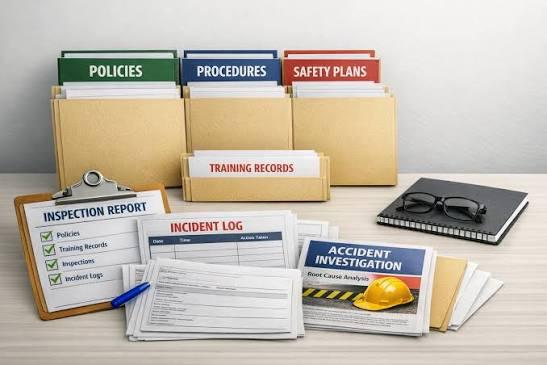
Public gatherings bring incredible energy, but managing hundreds or thousands of people in a single space creates complex operational challenges. A successful event relies heavily on invisible preparation executed long before the first attendee steps through the gates. When safety planning becomes an afterthought, organizations risk crowd control failures, regulatory penalties, severe injury, or complete shutdown by local authorities.
Building an effective safety strategy requires a clear focus on two core pillars: identifying potential hazards ahead of time and maintaining accurate administrative records. By treating hazard management and compliance as structural priorities rather than administrative burdens, event organizers can safeguard their attendees, staff, and reputation.
Conducting a Comprehensive Event Risk Assessment
Risk assessment is the backbone of any operational plan. It is a systematic review of everything that could potentially go wrong during setup, live operations, and teardown, paired with actionable steps to reduce those risks.
Identifying Site-Specific and Crowd Hazards
Every venue introduces distinct physical and logistics variables. A indoor conference hall presents entirely different challenges than an outdoor music festival or a downtown street parade.
-
Crowd dynamics: Evaluate expected density, movement bottlenecks, queuing areas, and potential egress blockages near exits.
-
Environmental conditions: Factor in weather extremes, such as severe heat, unexpected storms, lightning risks, or high winds affecting temporary structures.
-
Physical infrastructure: Inspect stage setups, heavy machinery, temporary electrical wiring, elevated platforms, and trip hazards like exposed cabling.
-
Specialized activities: Identify hazards associated with pyrotechnics, heavy rigging, alcohol service, or large vehicular traffic near pedestrian paths.
Evaluating Severity and Likelihood
Once potential hazards are identified, rate each issue based on the probability of occurrence and the potential severity of the outcome.
-
High-risk priorities: Immediate hazards with severe consequences such as structural collapse or overcrowding near narrow exits require mandatory prevention controls before doors open.
-
Medium-risk factors: Weather disruptions or temporary power outages require robust contingency plans and back-up equipment.
-
Low-risk elements: Minor issues like localized trash accumulation or minor line delays can be managed through routine monitoring during the event.
Establishing Actionable Control Measures
Identifying risks is only useful if clear, operational controls are established to eliminate or reduce them.
-
Elimination and substitution: Remove hazards where possible, such as replacing open-flame heaters with safer alternatives.
-
Engineering controls: Install sturdy crowd control barricades, clear exit signage, temporary lighting, and designated emergency lanes.
-
Administrative procedures: Establish strict maximum capacity limits, shift rotation schedules for security staff, and defined communication protocols.
Essential Safety Documentation for Compliance
A thorough hazard evaluation is only as strong as the record-keeping that supports it. Proper administrative records ensure that every crew member, contractor, and municipal inspector understands established protocols and legal expectations.
Core Records Every Organizer Needs
To maintain full compliance and ensure operational clarity, keep standard documentation organized and readily accessible on-site.
-
Site-specific safety plans: A centralized document outlining site layouts, emergency routes, security positions, and medical station placement.
-
Emergency action plans: Clear, step-by-step procedures covering severe weather evacuations, medical emergencies, active security threats, and fire response.
-
Vendor and contractor certifications: Copies of public liability insurance, structural engineering sign-offs, electrical inspection certificates, and food handling permits.
-
Incident logbooks: Standardized forms to document medical visits, security interventions, facility damage, or minor hazards resolved during operations.
Streamlining Compliance with Standardized Frameworks
Creating compliance paperwork from scratch for every new project consumes valuable time and increases the chance of missing critical regulatory requirements. Many professional organizers rely on standardized resources and pre-formatted safety docs to accelerate preparation, standardize protocols across multiple teams, and maintain full alignment with municipal standards.
Having structured templates allows safety officers to spend less time formatting paperwork and more time inspecting site conditions, testing emergency systems, and training operational staff.
Training Crews and Communicating Protocols
Paperwork stored in a binder on a desk does not prevent accidents. Safety instructions must be actively communicated to every person working on the premises.
-
Pre-event briefings: Hold mandatory safety walkthroughs for all contractors, security personnel, vendors, and volunteers prior to public access.
-
Role-specific responsibilities: Clearly define who holds decision-making authority during emergencies, including who orders a site evacuation.
-
Quick-reference guides: Provide simplified, single-page summary sheets or digital reference files to crew leaders covering immediate emergency actions.
Executing Real-Time Monitoring and Incidents Response
Planning and documentation establish the foundation, but active management during the live event ensures those plans hold up under real-world conditions.
Setting Up a Command and Control Structure
Large gatherings require centralized oversight to coordinate communication between internal security, medical staff, venue management, and municipal emergency services.
-
Event Control Center: Designate an isolated room or trailer equipped with live surveillance feeds, radio communications, and direct phone lines to emergency dispatchers.
-
Clear chain of command: Assign dedicated leads for crowd safety, logistics, medical care, and public relations to avoid conflicting orders during a crisis.
-
Scheduled status checks: Run regular radio checks throughout operational hours to confirm that key personnel remain in position and alert.
Managing Incidents and Continuous Review
When an incident occurs, quick, decisive action relies on following established procedures rather than improvising under stress.
-
Immediate containment: Dispatch trained personnel directly to the location while keeping crowd egress paths clear for emergency vehicles.
-
Accurate logging: Document the precise timeline, personnel involved, witness statements, and corrective actions taken for any notable incident.
-
Post-event analysis: Conduct a formal debrief with key stakeholders after teardown to review what worked, identify near-misses, and update future documentation accordingly.
Building a secure event environment is a continuous operational process. By combining a thorough event risk assessment with clear safety documentation and rigorous live site management, organizers protect their attendees while ensuring seamless compliance with local regulations.
Frequently Asked Questions
Question 1: What is an event risk assessment?
It is a formal process of identifying physical hazards, evaluating potential risks to attendees and staff, and implementing specific control measures to minimize harm during an event.
Question 2: Why is safety documentation essential for event organizers?
Proper administrative records demonstrate legal compliance, provide clear operational protocols for staff, clarify liability, and ensure seamless coordination with local regulatory authorities and emergency services.
Question 3: Who is responsible for managing safety at a public event?
The primary event organizer holds overall legal responsibility, though specific duties are typically delegated to qualified safety officers, venue managers, and contracted security leads.
Question 4: How far in advance should safety planning begin?
Planning should begin during initial concept design, typically three to twelve months before the event date depending on scale, permit requirements, and venue complexity.
Question 5: What primary records are required by municipal inspectors?
Inspectors typically require site-specific risk assessments, emergency evacuation plans, structural engineering certificates, public liability insurance, and vendor health permits.

 Հայերեն
 English
 Deutsch
 Русский
 Greek