


Early Signs of Hair Loss in Men You Should Know
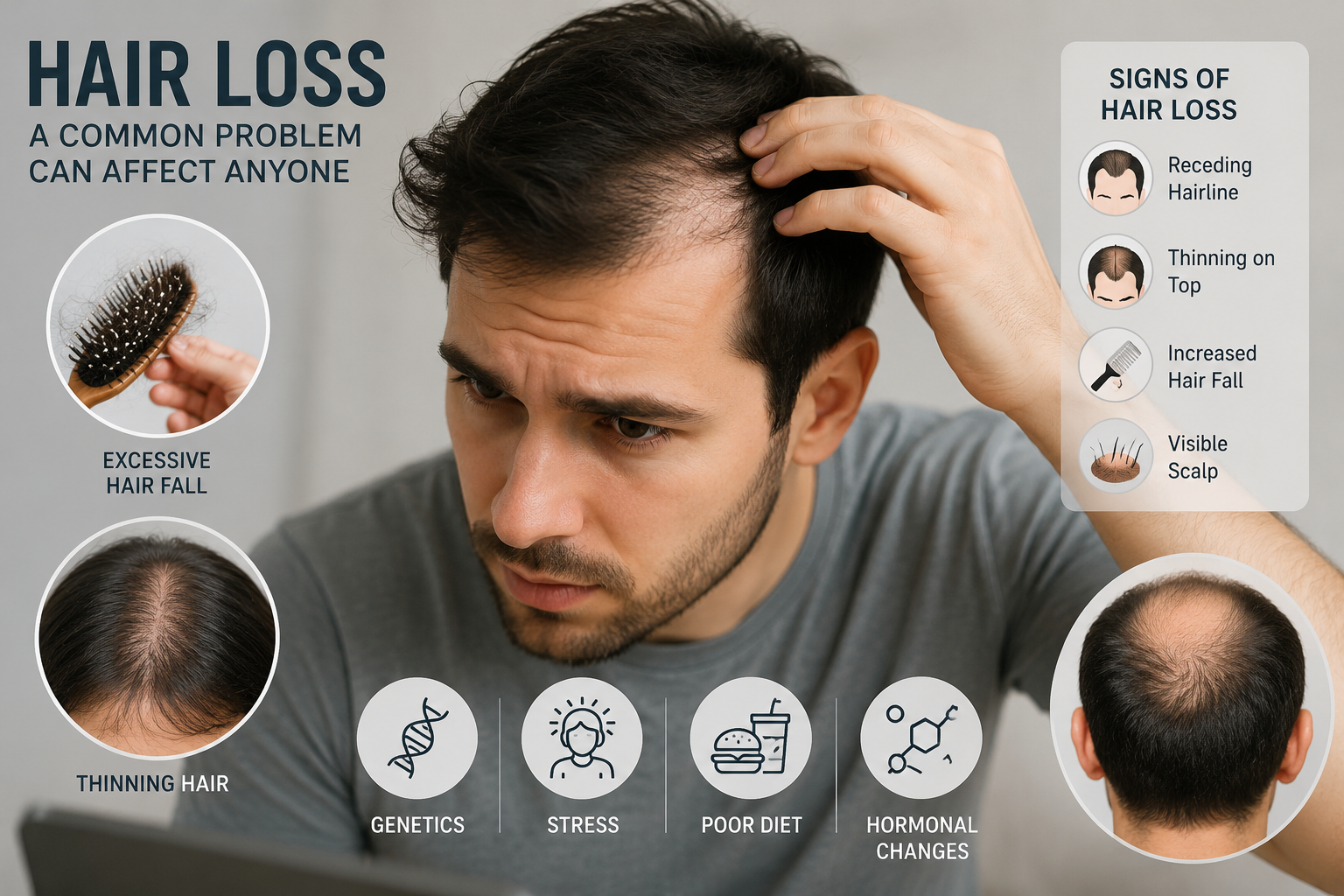
Hair loss is a common concern for men, especially as they get older. However, hair thinning can begin much earlier, sometimes during the twenties or thirties. Recognizing the early signs of hair loss can help you understand what is happening and seek advice before the problem becomes more noticeable. Although losing some hair each day is normal, gradual thinning, a receding hairline, and visible changes in scalp coverage may indicate a developing hair loss condition.
Men who notice these changes may come across Finrest 1mg Tablet and Finrest 5mg while researching hair loss treatment. These product names are associated with finasteride formulations, but the correct ingredient and strength should always be verified. A healthcare professional can assess the cause of hair thinning and explain whether treatment is suitable for your individual needs.
What Is Male Pattern Hair Loss?
Male pattern hair loss, also called androgenetic alopecia, is a common condition that causes gradual hair thinning. It often affects the temples, front hairline, and crown of the head. Genetics and sensitivity to certain hormones play an important role in its development.
Unlike temporary hair shedding, male pattern hair loss usually progresses slowly. Hair follicles may gradually produce shorter, finer hairs until the affected areas become visibly thinner. The pattern and speed of hair loss vary from person to person.
Early recognition helps men understand their options and make informed decisions about scalp care and professional treatment.
7 Early Signs of Hair Loss in Men
1. A Receding Hairline
One of the earliest signs of male pattern hair loss is a hairline that gradually moves backward around the temples. The forehead may appear wider, and the hairline may develop an M-shaped pattern.
Compare your hairline with older photographs to identify gradual changes. Keep in mind that some men naturally have a mature hairline, so a change alone does not confirm a hair loss condition.
2. Thinning Hair Around the Crown
The crown is the upper-back area of the scalp. Some men first notice thinning in this region rather than around the forehead.
You may see more scalp when standing under bright lights or taking photographs from above. If the area continues to look thinner over several months, consider arranging a professional assessment.
3. More Hair on Your Pillow or in the Shower
Finding loose hair on your pillow, clothes, or in the shower can make you worry about hair loss. However, shedding a certain amount of hair every day is normal.
Pay attention to changes rather than individual strands. A noticeable increase in shedding, especially when accompanied by reduced hair density, may require further evaluation.
4. Hair That Looks Finer Than Before
Hair follicles affected by male pattern hair loss can gradually produce finer, shorter strands. Your hair may lose some of its previous thickness, even if you do not notice large areas of baldness.
You may find that your hairstyle no longer looks as full or that your scalp becomes easier to see. These gradual changes can appear before obvious bald patches develop.
5. A Wider Parting or More Visible Scalp
Men with longer hair may notice more scalp showing through their hairstyle. You might also find that your hair does not cover certain areas as effectively as it once did.
Take photographs under similar lighting conditions every few months. This approach can help you identify changes more accurately than checking your hair repeatedly throughout the day.
6. Gradual Thinning Over Several Months
Male pattern hair loss usually develops gradually. You may notice small changes in hair density before the condition becomes obvious to others.
Track the pattern and duration of your hair loss. Sudden shedding, circular bald patches, scalp pain, or significant itching may suggest a different cause and deserve medical attention.
7. A Family History of Hair Loss
Genetics can influence your likelihood of developing male pattern hair loss. If close relatives experienced receding hairlines or thinning crowns, you may also develop similar changes.
However, family history does not guarantee that you will lose your hair. Your age, health, and individual hair growth patterns also matter.
What Causes Hair Loss in Men?
Several factors can contribute to hair thinning. Male pattern hair loss commonly involves inherited sensitivity to dihydrotestosterone (DHT), a hormone derived from testosterone. This sensitivity can cause susceptible hair follicles to shrink gradually.
Other possible causes include nutritional deficiencies, physical or emotional stress, certain health conditions, scalp disorders, and recent illness. Temporary shedding may also occur after major life changes or periods of physical strain.
Identifying the cause is important because different types of hair loss may require different approaches. A doctor may examine your scalp, review your health history, and recommend tests when necessary.
How Can Men Manage Early Hair Loss?
Maintain a Healthy Hair Care Routine
Treat your hair gently when washing, drying, and styling it. Avoid hairstyles that pull tightly on the roots, excessive heat, and rough brushing. These habits can help reduce avoidable hair breakage.
Eat a balanced diet that provides enough protein, iron, zinc, and other essential nutrients. Avoid taking supplements unnecessarily, as excessive amounts of some nutrients can cause problems.
Monitor Changes in Hair Density
Take clear photographs of your hairline, temples, and crown every few months. Use similar lighting and angles to make comparisons easier.
Record when you first noticed thinning and whether it progresses. This information can help a healthcare professional understand your symptoms and determine the next steps.
Discuss Treatment Options With a Professional
If your hairline continues to recede or your crown becomes thinner, consult a qualified healthcare professional. Early assessment may help identify the cause and clarify which treatment options are appropriate.
Finrest 1mg Tablet and Finrest 5mg should not be treated as interchangeable strengths. Finasteride 1mg is commonly used for male pattern hair loss in appropriate patients, while 5mg formulations are generally used for other medical indications. Do not use the higher strength for hair loss unless a qualified prescriber specifically directs you to do so.
Finasteride can cause side effects, including sexual problems, and has also been associated with mood changes. Discuss these risks and your medical history with your prescriber before starting treatment. Never change the dose or stop a prescribed treatment without appropriate medical guidance.
Hair Loss Advice for Men in the UK and Australia
Men in the UK can speak with their GP about persistent hair thinning, a receding hairline, or unexplained shedding. In Australia, a GP or qualified dermatologist can examine the scalp and discuss appropriate management options.
Prescription requirements, product availability, and monitoring recommendations may vary between these countries. Check local guidance and obtain professional advice before using prescription hair loss products.
BuyRxSafe readers should verify product information carefully and consult a qualified healthcare professional before making treatment decisions.
When Should You Seek Medical Advice?
Arrange an assessment if hair loss progresses quickly, creates distinct bald patches, or occurs alongside scalp redness, pain, itching, or scaling. Sudden or unexplained shedding may need investigation.
You should also seek advice if hair loss affects your confidence or causes ongoing distress. A professional can help distinguish normal changes from a condition that requires attention.
Conclusion
Early signs of hair loss in men include a receding hairline, thinning at the crown, finer strands, increased shedding, and a more visible scalp. Paying attention to these changes can help you recognise a possible problem and seek advice early.
Healthy hair care habits and professional assessment can support better decisions about hair loss management. If you are considering Finrest 1mg Tablet or Finrest 5mg, confirm the formulation and discuss the appropriate strength, benefits, and potential risks with a qualified healthcare professional. Early, informed action can help you understand your options and manage hair loss with greater confidence.

 English
 French
 Deutsch
 Русский
 Greek