


Bravecto for Cats: Understanding Flea and Tick Prevention and Feline Care
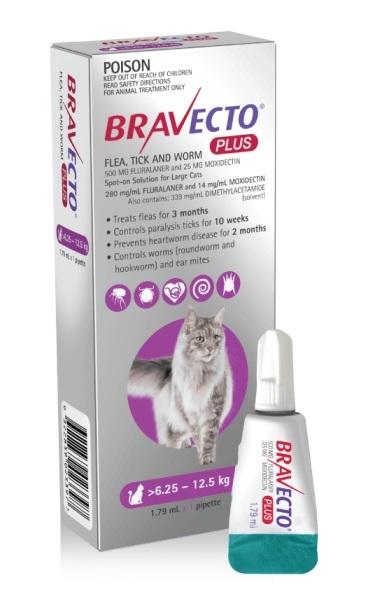
Bravecto for cats is a search term associated with flea and tick prevention in feline health care. Fleas and ticks are external parasites that can affect a cat's comfort and overall well-being. Fleas may cause itching, skin irritation, and allergic reactions, while certain ticks can transmit infections. Understanding the available prevention options helps cat owners make informed decisions about their pets' health.
In the United States, parasite exposure varies according to climate, geographic location, outdoor activity, and household conditions. Indoor cats can also encounter fleas when parasites enter the home through other animals or the surrounding environment. Preventive care therefore involves understanding a cat's individual needs, selecting an appropriate veterinary product, and maintaining regular health checks.
What Is Bravecto for Cats?
Bravecto for cats refers to veterinary flea and tick prevention products containing fluralaner as the active ingredient. Fluralaner belongs to the isoxazoline class of medicines, which act on specific nervous system pathways in susceptible parasites.
Depending on the formulation and its approved labeling, feline products may be available as topical treatments applied to the skin. The approved parasite coverage, minimum age, weight requirements, and duration of protection depend on the particular product.
Cat owners should use only products specifically labeled for cats. Dog formulations should never be substituted for feline products without explicit veterinary direction, as ingredients, concentrations, and administration requirements can differ significantly.
Understanding the product's intended use and following its approved instructions are important parts of responsible feline care.
How Flea and Tick Prevention Works
Fleas can multiply quickly in suitable conditions. Adult fleas may live on an animal, while eggs and immature stages can develop in the surrounding environment. As a result, an infestation may involve both the cat and areas where it spends time.
Ticks attach to animals to feed and may be encountered in gardens, wooded areas, and other outdoor environments. Their activity varies by region and season.
Fluralaner affects certain signaling systems in the nervous system of susceptible parasites, leading to their death after exposure. The precise speed of action and duration of effectiveness depend on the formulation and the parasites listed on its approved label.
Preventive treatment does not remove the need for environmental cleaning or regular checks. In homes with established flea infestations, a veterinarian may recommend additional measures to address immature flea stages in bedding, carpets, and resting areas.
Available Formulations and Application
Feline fluralaner products may be designed for topical application. These treatments are generally applied to the skin at the location specified in the product instructions, often where a cat cannot easily reach and lick the application site.
The application method, eligible age and weight, and timing between treatments must be checked against the exact product label. Different formulations may have different requirements, so instructions should not be assumed to be interchangeable.
Cat owners should follow the prescribed application process and avoid allowing other animals to lick the treated area while the product is being applied or drying, as directed by the label.
If a cat licks the product, develops an unexpected reaction, or receives an incorrect amount, the owner should contact a veterinarian or an appropriate animal poison control service for guidance. Treatment should not be repeated or adjusted without professional advice.
Potential Side Effects and Safety Considerations
Like other veterinary medicines, fluralaner-containing products may cause adverse reactions in some cats. Possible effects vary by formulation and may include vomiting, reduced appetite, tiredness, skin irritation, or hair changes around the application site.
Isoxazoline medicines have also been associated with neurological reactions, including tremors, difficulty coordinating movements, and seizures. Although such reactions are not expected in every treated animal, they are important safety considerations.
A veterinarian should review the cat's medical history, current medicines, age, weight, and previous reactions before recommending a preventive treatment. Cats with a history of neurological problems may require particular consideration.
If a cat develops severe symptoms, such as seizures, difficulty breathing, collapse, or pronounced weakness, immediate veterinary attention is necessary. Any suspected adverse reaction should be discussed with a veterinarian, who can advise on further care and reporting.
Establishing an Appropriate Prevention Schedule
The appropriate treatment schedule depends on the exact formulation, approved instructions, and individual veterinary recommendations. Cat owners should not assume that all products containing the same active ingredient have identical dosing intervals or parasite coverage.
Parasite exposure can also vary throughout the year. Some regions of the United States experience substantial flea activity in multiple seasons, while warmer areas may face a longer period of exposure. Ticks may be more active during particular weather conditions, depending on the species and location.
A veterinarian can assess local parasite risks and help determine whether year-round prevention is suitable for a particular cat. Regular review is especially useful when a cat's living arrangements, health status, or outdoor activity changes.
Supporting Flea and Tick Prevention at Home
Preventive treatment is one part of an overall parasite management plan. Several household practices can help reduce exposure and identify potential problems.
- Regular coat checks: Examine the cat's fur and skin for visible fleas, flea dirt, ticks, or signs of irritation.
- Bedding maintenance: Wash pet bedding regularly according to its care instructions.
- Routine cleaning: Vacuum carpets, furniture, and areas where the cat rests to help reduce environmental flea stages.
- Household coordination: Discuss parasite prevention for other pets with a veterinarian to reduce the risk of recurring infestations.
- Health monitoring: Observe changes in grooming behavior, appetite, skin condition, and activity levels.
These steps can support a comprehensive prevention approach but should not replace veterinary guidance when an infestation or health concern develops.
Conclusion
Bravecto for cats is associated with flea and tick prevention through feline products containing fluralaner. Understanding the treatment's formulation, approved uses, application requirements, potential adverse effects, and prevention schedule helps cat owners make informed decisions about parasite control.
For cats in the United States, the appropriate approach depends on age, weight, medical history, lifestyle, and local parasite exposure. Reviewing the approved label and consulting a veterinarian can help ensure that preventive care suits the individual cat while supporting its comfort and long-term well-being.

 Հայերեն
 French
 Deutsch
 Русский
 Greek