


How Television Tuner Technology Determines Which Broadcast Signals a TV Can Receive
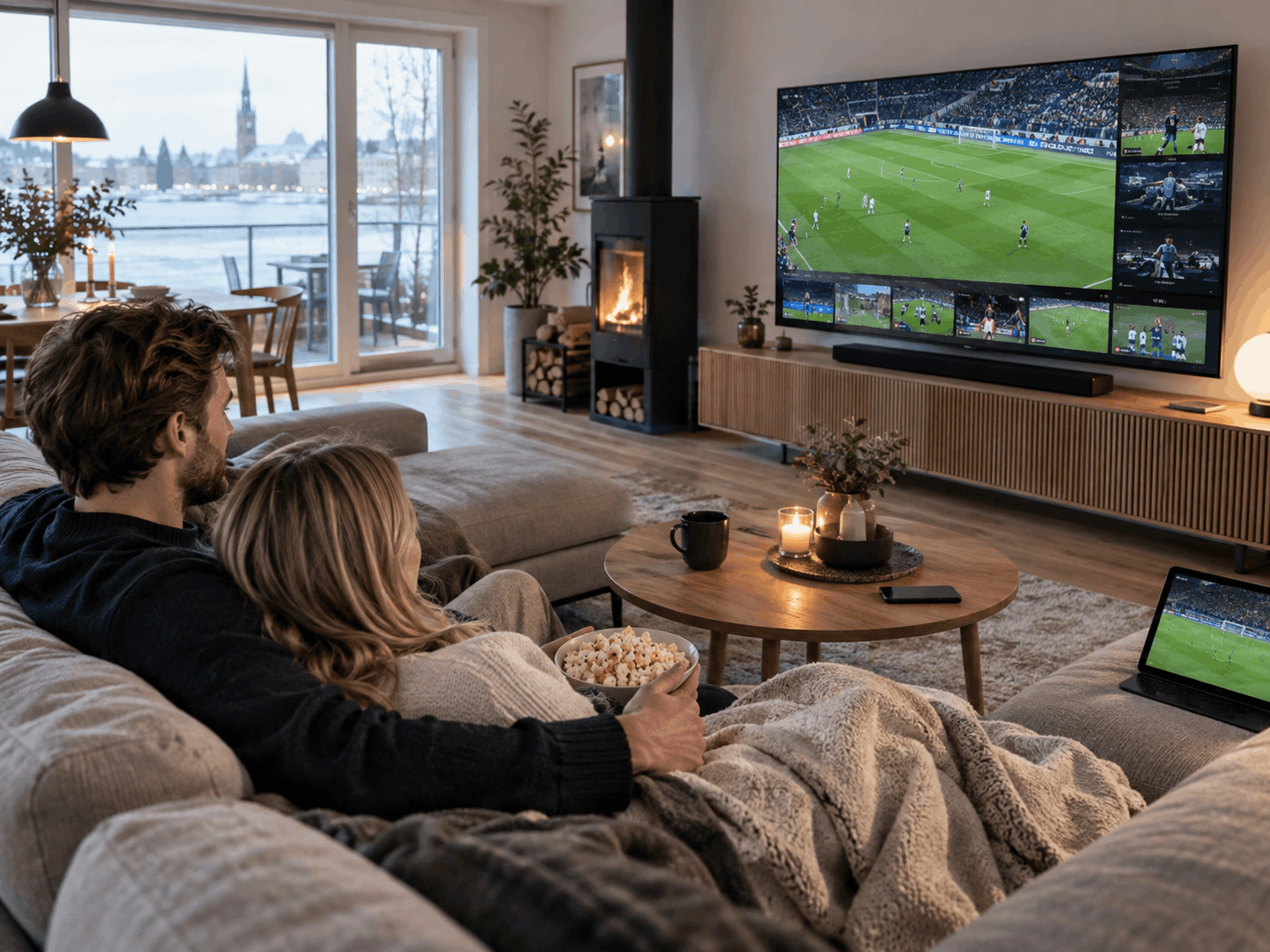
Television technology has changed considerably over the years, but receiving broadcast signals remains an important part of how many households watch television. While modern smart TVs offer streaming applications, internet-based entertainment, and advanced picture settings, their ability to receive traditional broadcasts still depends on the tuner built into the device or connected externally.
A television tuner selects a broadcast signal and helps process it into content that the television can display. However, not every tuner supports every transmission system, frequency band, or broadcast format. Understanding how tuner technology works can help consumers choose compatible equipment and troubleshoot reception problems more effectively.
What Is a Television Tuner?
A television tuner is a component that receives television signals transmitted over a particular frequency range. It selects the desired channel from the available signals and passes it through processing stages that allow the broadcast to be decoded.
Traditional analogue televisions used tuners designed to receive analogue broadcasts. Digital television introduced more advanced systems capable of processing compressed audio and video data. These digital tuners work with specific broadcast standards, which determine how signals are transmitted and received.
Although many modern televisions include digital tuners, their capabilities can vary by model and region. A television designed for one country's broadcasting system may not support the same transmission standard used elsewhere. As a result, owning a digital television does not automatically mean it can receive every digital broadcast.
Understanding broadcast reception starts with identifying the signal source, the transmission standard, and the tuner capabilities required to process the broadcast correctly.
Different Types of Television Tuners
Television tuners are designed for different delivery methods. The most common categories include terrestrial, cable, and satellite tuners. Each receives signals through a different infrastructure and requires compatible equipment.
Terrestrial Tuners
Terrestrial television is transmitted from ground-based broadcasting stations and typically received through an indoor or outdoor antenna. Standards such as DVB-T and DVB-T2 are used in many countries, while ATSC systems are widely associated with North America.
The tuner must support the terrestrial standard used by local broadcasters. For example, a television that supports DVB-T2 can receive compatible DVB-T2 broadcasts when adequate signal coverage and suitable antenna equipment are available. However, the tuner standard alone does not guarantee reception if the signal is too weak or obstructed.
Cable Tuners
Cable television delivers signals through a cable network rather than directly from a terrestrial transmitter. Depending on the provider and region, compatible equipment may need to support standards such as DVB-C or other digital cable systems.
Some cable services also use encryption or conditional access technology. In these cases, a compatible tuner may not be sufficient on its own. Viewers may require an authorized receiver, access module, or provider-supplied equipment to watch subscribed channels.
Satellite Tuners
Satellite television receives signals transmitted from satellites and collected by a satellite dish. Digital satellite tuners commonly support standards such as DVB-S or DVB-S2, depending on the broadcast service.
Reception also depends on the dish, its alignment, the low-noise block converter, cabling, and other installation factors. A compatible satellite tuner cannot compensate for a poorly aligned dish or an obstructed signal path.
Before purchasing a television or receiver, consumers should confirm which broadcast sources they intend to use and whether the required tuner is included.
Why Broadcast Standards Matter
Broadcast standards establish how signals are modulated, transmitted, and interpreted by receiving equipment. They ensure that compatible transmitters and receivers follow common technical rules.
Different regions may use different standards for terrestrial, cable, and satellite broadcasting. Even within the same delivery category, there can be differences in supported transmission modes, codecs, and channel configurations.
For this reason, a television purchased overseas may not receive local channels even if it has a digital tuner. The device might support the wrong transmission standard, lack a compatible tuner, or fail to decode the video format used by the broadcaster.
Standards can also evolve over time. Newer transmission systems may improve efficiency, reception performance, or the capacity available for high-definition services. However, an older television may not support the newer standard without an external receiver.
Checking the technical specifications before buying equipment is therefore more reliable than assuming that all digital televisions have the same capabilities.
How Signal Strength and Antenna Quality Affect Reception
A tuner needs a usable signal to identify and decode a broadcast. Even when the correct standard is supported, poor reception can lead to missing channels, pixelation, freezing, or intermittent audio.
Signal quality is influenced by several factors, including distance from the transmitter, buildings, terrain, interference, antenna positioning, and cable condition. Indoor antennas may work well in areas with strong signals but perform poorly where reception is limited. An outdoor antenna can sometimes improve results, depending on the installation and local conditions.
Digital broadcasts can behave differently from analogue signals. Instead of gradually becoming noisier as reception weakens, a digital picture may remain stable until the signal becomes too difficult to decode. At that point, visible errors or a complete loss of picture may occur.
If channels are missing, viewers can try repositioning the antenna, checking connectors, inspecting damaged cables, and running the television's channel scan again. A signal meter or local coverage information may also help determine whether the problem comes from weak reception or incompatible equipment.
Digital Tuners and Channel Scanning
Most digital televisions provide an automatic channel scan that searches for available broadcasts and stores the channels it finds. During this process, the tuner examines supported frequencies and identifies signals that it can decode.
The scanning options usually depend on the selected input. A terrestrial scan searches for antenna broadcasts, while a cable scan uses the relevant cable configuration. Satellite systems may require additional setup information, such as satellite selection and installation parameters.
If a channel does not appear, the cause may be a weak signal, an incorrect scan mode, an unsupported broadcast standard, or a change in the broadcaster's transmission settings. Repeating the scan without addressing the underlying problem may not resolve the issue.
It is also useful to distinguish between receiving a channel and being authorized to view it. Some broadcasts are encrypted or require a subscription, so finding a signal does not necessarily mean that its content will be available.
Television Tuners Compared With Internet Streaming
A built-in tuner receives broadcasts through an antenna, cable connection, or satellite system. Internet streaming, by contrast, delivers video data through a network connection and a compatible application or playback device.
These approaches have different requirements. Broadcast television depends on signal coverage and tuner compatibility, while streaming depends on internet access, service availability, device support, and network performance. A smart TV may offer both methods, allowing viewers to switch between traditional broadcasts and internet-based entertainment.
An external digital receiver can also add broadcast capabilities to a television that lacks the required tuner. The receiver must support the local transmission standard and connect to the television through a compatible input, such as HDMI.
Understanding these differences helps households choose equipment based on their viewing habits rather than assuming that one type of television connection can replace every other option.
How to Choose the Right Television Tuner
Before buying a television or receiver, consider the following points:
-
Identify the signal source: Determine whether you use an antenna, cable provider, or satellite dish.
-
Check regional standards: Confirm that the tuner supports the broadcast system used in your area.
-
Review video support: Check whether the equipment can decode the video formats used by your preferred broadcasts.
-
Consider future upgrades: Look for support for relevant newer standards if broadcasters in your region are transitioning to them.
-
Check connection requirements: Make sure external receivers can connect to your television and audio equipment.
-
Investigate reception conditions: Confirm that local broadcasts are available and that your antenna or dish is suitable for the installation.
These checks can reduce unnecessary spending and help ensure that the equipment works as expected.
Conclusion
Television tuner technology determines which broadcast signals a television can receive by defining the transmission systems, frequency ranges, and formats it can process. Terrestrial, cable, and satellite reception each have different requirements, while antenna quality, signal strength, and regional standards also influence performance.
By understanding these factors, consumers can choose compatible televisions and receivers, resolve common reception problems, and make better decisions when upgrading their home entertainment systems. A suitable tuner is an essential starting point for reliable broadcast viewing, but successful reception also depends on the quality of the signal and the equipment connected to it.

 Հայերեն
 French
 Deutsch
 Русский
 Greek