


Does Root Canal Treatment Offer Lasting Tooth Relief?
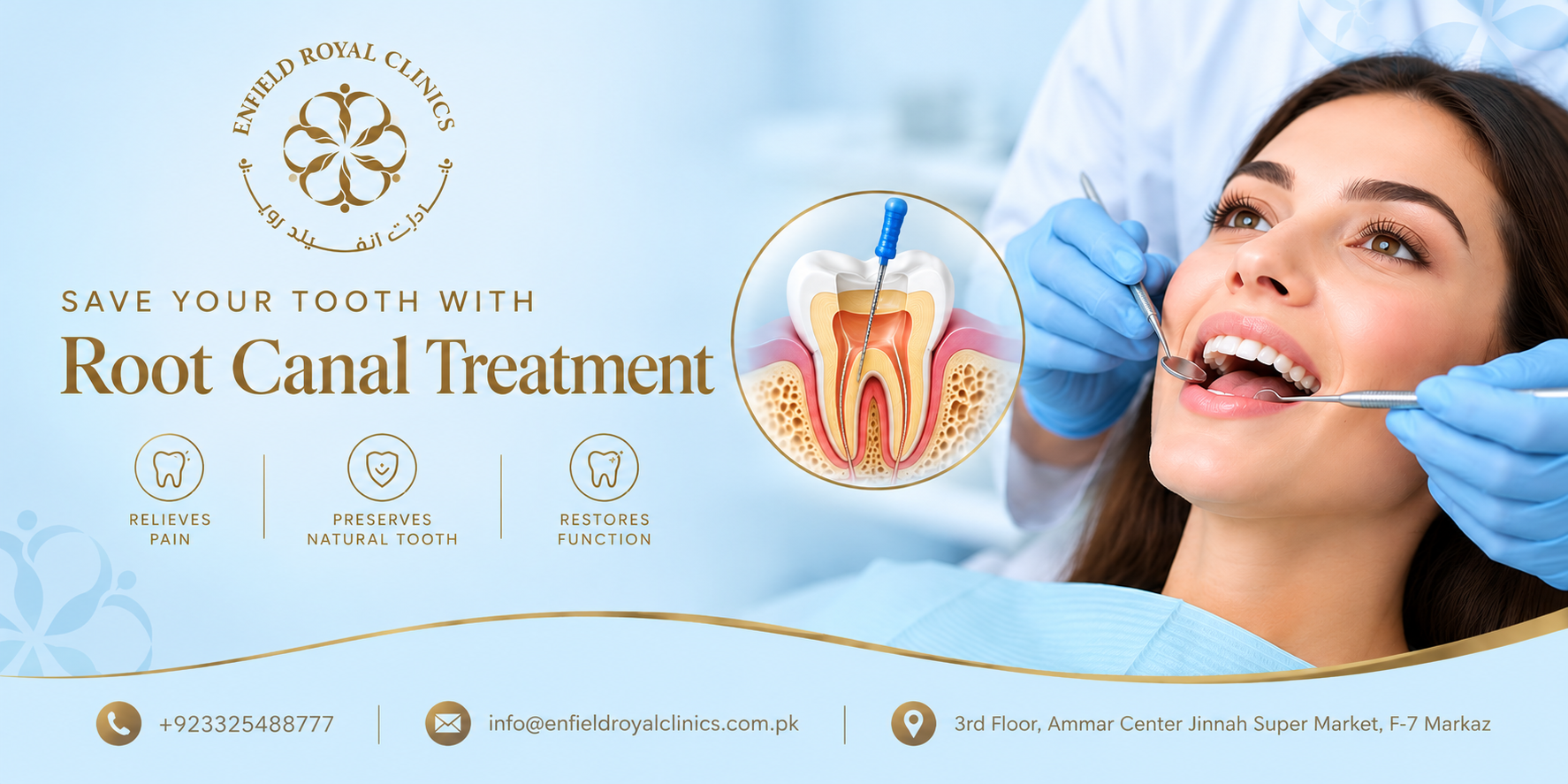
Tooth pain can interfere with eating, speaking, sleeping, and everyday activities. When the pain results from deep decay, inflammation, or infection inside a tooth, root canal treatment may help relieve discomfort while preserving the natural tooth. Many patients wonder whether this treatment provides lasting relief or whether the pain can return after the procedure.
Root canal treatment is designed to remove infected or irreversibly inflamed pulp from inside the tooth, clean the root canals, and seal them to reduce the risk of further infection. When the procedure is completed successfully and the tooth receives an appropriate restoration, it can provide long-term relief and help maintain normal chewing function.
For individuals considering Root Canal Treatment in Islamabad, understanding how the procedure works, what affects its success, and how to care for the treated tooth can help them make informed decisions. Although no treatment guarantees permanent freedom from dental problems, proper treatment and aftercare can significantly improve the chances of a lasting result.
How Does Root Canal Treatment Relieve Tooth Pain?
A tooth contains a soft inner tissue called the dental pulp, which includes nerves and blood vessels. Deep cavities, cracks, repeated dental procedures, or injuries can damage this tissue and lead to inflammation or infection. When the pulp becomes irreversibly inflamed, the resulting pain may be intense, persistent, or sensitive to temperature.
Root canal treatment addresses the source of the problem rather than simply covering up the symptoms. During the procedure, the dentist uses local anaesthesia to help keep the patient comfortable. A small opening is made in the tooth to access the pulp chamber and root canals.
The damaged pulp is removed, and the canals are carefully cleaned and disinfected. They are then filled with a suitable material and sealed to reduce the chance of bacteria entering again. A filling or crown is used to restore the tooth, depending on how much natural structure remains.
By removing the affected pulp and controlling the infection, the treatment can eliminate the main source of pain. However, tenderness around the root may continue temporarily because the surrounding tissues can remain inflamed while healing.
Can Root Canal Treatment Provide Long-Term Relief?
Yes, root canal treatment can provide lasting relief when the infection is effectively managed and the tooth is restored properly. Many treated teeth remain functional for years, allowing patients to chew and speak comfortably without needing immediate extraction.
The long-term outcome depends on several factors. The original condition of the tooth is particularly important. A tooth with extensive decay, severe cracks, or significant structural damage may have a less predictable outlook than a tooth with sufficient healthy structure remaining.
The quality of cleaning and sealing also matters. Root canals can have narrow spaces, curves, and additional branches that make treatment challenging. Thorough cleaning and an effective seal help reduce the risk of bacteria surviving or returning.
The final restoration is another essential part of the process. A properly fitted filling or crown protects the tooth and helps prevent saliva and bacteria from entering the treated area. If the restoration becomes loose, cracked, or damaged, the tooth may become vulnerable to reinfection.
Patients seeking Root Canal Treatment in Islamabad should understand that successful treatment involves more than removing the infected pulp. The tooth must also receive suitable protection and ongoing dental care to support a durable result.
What Factors Affect the Lasting Results of Root Canal Treatment?
Several factors can influence how long a root canal-treated tooth remains comfortable and functional.
1. The extent of the original damage
A tooth with severe decay or a large fracture may have less remaining structure to support normal chewing. Before treatment, the dentist assesses whether the tooth can be restored successfully. If the damage extends too far below the gumline or the tooth has a severe vertical root fracture, saving it may not be practical.
2. The complexity of the root canals
Some teeth have multiple canals, narrow passages, or unusual root shapes. These features can make it more difficult to clean and seal every part of the canal system. Careful examination, appropriate instruments, and suitable dental techniques help address these challenges.
3. The quality of the final restoration
After root canal treatment, a tooth may require a permanent filling or a dental crown. A crown is often recommended for teeth that have lost substantial structure, particularly back teeth that experience strong chewing forces. The dentist selects the restoration according to the tooth's condition and functional needs.
4. Oral hygiene habits
A treated tooth can still develop a new cavity, and the surrounding gums can still become affected by plaque. Brushing twice daily with fluoride toothpaste, cleaning between the teeth, and attending regular dental checkups help protect the treated tooth and nearby teeth.
5. Follow-up care
Dental follow-up appointments allow the dentist to check the restoration and investigate any returning symptoms. When necessary, dental imaging may help assess the tissues around the root and determine whether healing is progressing as expected.
Is Pain Normal After Root Canal Treatment?
Some discomfort after root canal treatment is common, particularly when the tooth was severely inflamed or infected before the procedure. The tissues surrounding the root may remain sensitive for several days as they recover.
Patients may notice mild soreness when biting or pressure around the treated tooth. These symptoms should generally improve rather than become progressively worse. The dentist may recommend suitable pain relief based on the patient's health and medical history.
During recovery, patients should avoid chewing hard foods on the treated tooth until the permanent restoration is in place and the dentist confirms that normal chewing is appropriate. Following the recommended aftercare instructions can help reduce unnecessary pressure on the tooth.
Persistent or worsening pain should not be ignored. It may occur because of continued inflammation, an uneven bite, a missed canal, a crack, or an infection that requires further evaluation. A dental professional can determine the cause and recommend the appropriate next step.
Severe pain accompanied by increasing swelling, fever, or spreading facial swelling requires urgent dental assessment. Difficulty breathing or swallowing requires emergency medical care.
Can Tooth Pain Return After Root Canal Treatment?
Although root canal treatment often provides lasting relief, pain can sometimes return. This does not automatically mean the tooth must be removed. The cause of the discomfort needs to be identified before further treatment is recommended.
One possible reason is persistent or recurring infection. Bacteria may remain in a difficult-to-clean canal or enter the tooth through a damaged restoration. In some cases, the dentist may recommend root canal retreatment to clean and seal the canals again.
A cracked tooth can also cause discomfort during chewing. If a crack develops or extends into an area that cannot be restored, the tooth may have a less favourable prognosis. Another possibility is a high spot on the filling or crown, which can place excessive pressure on the tooth when the patient bites. A dentist may be able to correct this with a simple adjustment.
Pain may occasionally come from a nearby tooth or another dental problem rather than the treated tooth itself. A careful examination helps distinguish between these possibilities.
Patients should avoid assuming that returning pain will disappear on its own. Early evaluation can help identify the problem and may allow the tooth to be preserved.
How Can Patients Maintain Long-Lasting Results?
Good aftercare plays an important role in protecting a root canal-treated tooth. Patients can support long-term comfort by following a few practical measures.
-
Complete the recommended restoration: A temporary filling is not intended to provide the same protection as a suitable permanent restoration. Delaying the final filling or crown can increase the risk of fracture or reinfection.
-
Maintain daily oral hygiene: Brushing with fluoride toothpaste and cleaning between the teeth help prevent new decay and gum problems.
-
Avoid excessive biting pressure: Chewing ice, hard sweets, or other very hard objects can damage natural teeth and dental restorations.
-
Attend regular dental checkups: Routine examinations help identify cracks, loose restorations, or other issues before they become more serious.
-
Seek help when symptoms return: New swelling, persistent pain, or discomfort when biting should be assessed promptly.
For people considering Root Canal Treatment in Islamabad, these habits are important because the procedure aims to preserve the natural tooth for continued use. A treated tooth still needs protection, just like any other tooth, but appropriate treatment and consistent care can help it remain functional for many years.
Frequently Asked Questions
1. How long does relief last after root canal treatment?
When the infection is controlled and the tooth receives an appropriate restoration, relief can last for many years. The exact outcome depends on the tooth's condition, the quality of treatment, and ongoing oral hygiene.
2. Can root canal treatment permanently stop tooth pain?
It can eliminate pain caused by infected or irreversibly inflamed pulp. However, temporary soreness may occur after treatment, and other dental problems can develop later. Persistent or returning pain should be evaluated by a dentist.
3. Does a root canal-treated tooth need a crown?
Not every treated tooth requires a crown. The decision depends on the tooth's location, the amount of remaining natural structure, and the risk of fracture. Back teeth often need additional protection because they experience greater chewing forces.
4. What should a patient do if pain returns after a root canal?
The patient should arrange a dental examination to identify the cause. Depending on the findings, treatment may involve adjusting the bite, repairing the restoration, repeating the root canal procedure, or considering another option if the tooth cannot be saved.

 Հայերեն
 English
 French
 Deutsch
 Русский