


Table Top Weighing Scale in UAE: Practical Weighing Solutions for Everyday Business Operations
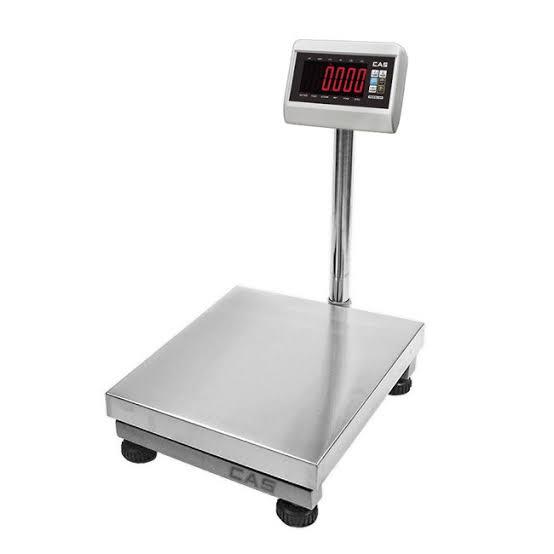
Businesses that handle small products, ingredients, components, and packaged materials need weighing equipment that fits comfortably into their daily workflow. Whether it is a retail counter, production workstation, food preparation area, or warehouse packing station, having a suitable weighing instrument can make routine tasks more organised. A Table Top Weighing Scale in UAE is a practical option for companies looking for convenient weight measurement without installing large industrial equipment. Its compact design allows businesses to perform weighing activities directly at their workstations while making efficient use of available space.
Understanding the Role of Table Top Weighing Equipment
A table top weighing scale is an electronic instrument designed to measure objects placed on a small platform. It is generally positioned on a counter, desk, or workbench and uses electronic sensors to detect the applied weight. The measurement is then processed and displayed on a digital indicator.
These scales are available in different configurations to support various applications. Some are designed for general weighing, while others offer additional functions for counting components, calculating prices, or working in environments where regular cleaning is necessary.
Their main purpose is to provide a convenient weighing point close to the activity being performed. This arrangement can help employees avoid unnecessary movement between different work areas.
How Table Top Scales Support Daily Workflows
The usefulness of a weighing scale is not limited to displaying the weight of an object. When positioned correctly, it can become an important part of a business's daily workflow.
For example, a packaging employee can measure products before placing them into containers. A retailer can weigh goods during customer transactions, while a production worker can measure ingredients before preparing a batch.
A suitable weighing station can support several activities:
-
Checking product quantities before packaging.
-
Measuring raw materials during preparation.
-
Comparing component weights during quality checks.
-
Recording product weights for inventory purposes.
-
Measuring small items before dispatch.
Placing the scale close to the relevant workstation can make these activities easier to manage and reduce unnecessary handling.
Table Top Scale Options for Different Business Requirements
Not every business performs the same type of weighing activity. Understanding the available configurations helps buyers select equipment that matches their working requirements.
General-Purpose Digital Scales
General-purpose digital scales are suitable for routine weighing tasks involving products, ingredients, and small packages. Their electronic displays make weight readings convenient to observe.
These models may be appropriate for retail counters, workshops, and packaging stations where straightforward measurement is the main requirement.
Counting Scales for Small Components
Businesses that handle large quantities of identical items may benefit from counting functionality. Counting scales use the average weight of a sample item to estimate the quantity of similar pieces placed on the platform.
This can be helpful when handling screws, bolts, washers, electronic components, and other small products. It reduces the need to count every individual item manually.
Waterproof and Washdown Models
Some workplaces require equipment that can tolerate moisture or frequent cleaning. Suitable waterproof models may be considered for food preparation, processing, and other demanding environments.
However, buyers should check the actual protection rating and manufacturer's cleaning instructions. A scale described as water-resistant should not automatically be assumed suitable for complete washdown or immersion.
Price Computing Scales
Retail businesses that sell products by weight may consider price computing models. These instruments can calculate the product cost using the measured weight and entered unit price.
Before using such equipment for commercial transactions, businesses should confirm the applicable approval and verification requirements in the UAE.
Applications Across Different Industries in the UAE
The UAE has a diverse business environment where accurate weighing supports many commercial activities. Compact weighing equipment can be useful wherever products and materials need to be measured at individual workstations.
Grocery Stores and Retail Counters
Retailers use compact weighing scales to measure fruits, vegetables, dry foods, and other products sold by weight. A conveniently positioned scale helps employees complete weighing activities during customer service.
The selected model should provide suitable capacity, readable displays, and functions that match the store's billing process.
Restaurants and Commercial Kitchens
Restaurants and food businesses need consistent ingredient quantities when preparing meals, bakery products, and packaged foods. Table top scales can help kitchen staff measure ingredients and portion sizes.
For these environments, cleaning requirements and resistance to moisture should be considered when choosing equipment.
Jewellery and Small Product Businesses
Businesses dealing with jewellery, small accessories, and lightweight materials may require weighing instruments with finer readability. The required measurement increment should be selected according to the product and intended use.
A general-purpose commercial scale may not provide the precision needed for every lightweight application.
Manufacturing and Assembly Units
Production facilities often handle small components that must be measured before assembly or packaging. A table top scale can provide a convenient measurement point close to the production line.
Counting functions may also help businesses estimate component quantities and organise stock.
Warehousing and Packaging Departments
Packing departments use weighing equipment to check small parcels, product batches, and individual packages. Having a scale at the packing station can help employees verify quantities before preparing goods for dispatch.
Creating an Efficient Weighing Station
The location and arrangement of a weighing instrument can influence how effectively it is used. Simply purchasing a suitable scale is not enough; businesses should also consider the surrounding workstation.
First, choose a firm and level surface that can support the equipment without movement. The platform should remain accessible, and employees should have enough space to place and remove products safely.
Lighting is another useful consideration. The digital display should be easy for operators to read without repeatedly changing their position. If several employees use the same scale, its controls and basic operating instructions should be straightforward.
Businesses that connect weighing equipment to billing systems, computers, or printers should confirm compatibility before purchasing. This helps avoid unnecessary manual recording and connection difficulties.
What Should Buyers Evaluate Before Making a Purchase?
Selecting a table top scale requires attention to practical details rather than appearance alone. The following factors can help businesses compare available options.
-
Maximum weighing capacity: Choose a model that can handle the heaviest products normally measured.
-
Measurement readability: Identify the smallest weight increment required for the application.
-
Platform dimensions: Make sure the weighing surface accommodates the products and containers being used.
-
Display visibility: Consider screen size, readability, and the position of the indicator.
-
Power arrangements: Check whether the equipment uses an electrical adapter, rechargeable battery, or another power option.
-
Construction quality: Select materials suitable for the frequency of use and workplace conditions.
-
Additional functions: Decide whether counting, tare, price calculation, or data connectivity is necessary.
It is also useful to discuss calibration, maintenance, warranty terms, and applicable commercial weighing requirements with the supplier.
Common Practices That Help Protect Weighing Accuracy
Correct operation is important for obtaining dependable measurements. Even a suitable weighing instrument can provide inconsistent readings if it is positioned or used incorrectly.
Operators should always check that the platform is clean before placing products on it. Containers should be positioned properly, and the tare function can be used when the weight of packaging needs to be excluded.
Avoid placing objects beyond the specified capacity. Heavy impacts, unstable surfaces, and nearby vibration can also affect measurement performance.
Businesses should establish routine inspection procedures and arrange calibration or verification according to the manufacturer's recommendations and the requirements of the application.
Why Consider Al Falah Scales?
Selecting suitable weighing equipment involves understanding the products being measured, the required capacity, and the conditions in which the instrument will operate. Al Falah Scales is a company businesses can consider when exploring weighing equipment for commercial and industrial applications. Before selecting a table top model, customers should discuss their daily weighing activities, required readability, platform dimensions, and additional functions. Evaluating these requirements can help identify equipment that fits the intended workstation and supports consistent measurement practices.
Conclusion
A table top weighing scale offers a convenient solution for businesses that need compact equipment for routine measurement activities. Its applications range from retail counters and commercial kitchens to manufacturing workstations and packaging departments. By considering capacity, readability, platform dimensions, and operating conditions, businesses can make a more informed purchasing decision. Proper positioning, careful operation, and regular maintenance can further support dependable performance and efficient daily workflows.
Frequently Asked Questions
1. Can a table top weighing scale be used for manufacturing?
Yes. It can be used to measure small components, production materials, samples, and packaged items. The selected model should have suitable capacity and readability for the manufacturing task.
2. What is the difference between a counting scale and a standard table top scale?
A standard table top scale primarily measures weight, while a counting scale also estimates the number of identical items based on their average unit weight.
3. How often should a table top weighing scale be calibrated?
Calibration frequency depends on the equipment, frequency of use, working conditions, and measurement requirements. Businesses should follow the manufacturer's recommendations and applicable verification rules.

 Հայերեն
 English
 French
 Deutsch
 Русский