


Creative Gift Ideas for Children That Encourage Learning and Play
Finding a gift for a child can be more meaningful when it offers something to discover, make, or explore. A toy that encourages learning does not need to feel like schoolwork. The best gifts often combine fun with opportunities to solve problems, use imagination, practise new skills, or spend time creating something of their own.
Children learn in different ways. Some enjoy building and experimenting, while others prefer stories, art, movement, or pretend play. Choosing a gift that matches a child’s interests can help keep them engaged and give them more ways to enjoy their free time.
Building Toys That Turn Ideas Into Something Real
Building toys are a useful gift for children who enjoy making things and seeing how different pieces fit together. Blocks, construction sets, and age-appropriate building kits can encourage children to plan, test ideas, and solve small problems.
A child might begin by following a design and later decide to create something completely different. If a structure falls over, they can try another arrangement and discover what makes it more stable. This process makes play an opportunity to experiment without needing every attempt to work perfectly.
When choosing a building set, consider the child’s age, patience, and interests. Younger children may enjoy larger pieces that are easy to handle, while older children may be ready for more detailed designs. Look for sets that allow more than one possible result so the child can return to them with new ideas.
Art and Craft Gifts for Young Creators
Art materials can make thoughtful gifts for children who enjoy drawing, painting, decorating, or making things by hand. A simple art kit might include washable colours, paper, stickers, child-safe scissors, or materials for creating collages.
Creative activities give children the freedom to make their own choices. They can select colours, combine shapes, and decide what their finished work should look like. The process can be just as enjoyable as the final picture or craft.
For a child who already enjoys art, consider a themed kit that introduces a new technique, such as making simple models or decorating small objects. For a beginner, a basic set with a few easy-to-use materials may be more inviting than a kit with too many steps.
Choose materials that are suitable for the child’s age and follow any safety instructions. Younger children may need adult help with cutting, glue, or small craft pieces.
Puzzles and Games That Encourage Problem-Solving
Puzzles make good gifts for children who enjoy challenges. They invite children to look closely, recognise patterns, test possibilities, and keep trying when a solution is not immediately clear.
Jigsaw puzzles can encourage visual matching and patience, while matching games and simple logic puzzles offer different kinds of challenges. Board games can also make learning social by giving children opportunities to take turns, follow rules, and make decisions.
The difficulty should match the child’s current abilities. A puzzle that is too easy may not hold their attention, while one that is too difficult can become frustrating. A good choice offers enough challenge to keep the child interested while still allowing them to make progress.
Science and Discovery Kits for Curious Minds
Some children enjoy asking questions about how things work. Science and discovery kits can turn that curiosity into hands-on exploration.
Depending on the child’s age, a kit might introduce magnets, simple circuits, nature observations, or basic experiments. These activities can encourage children to make predictions, observe results, and think about why something happened.
A science gift does not need to include complicated equipment. A magnifying glass, a child-friendly nature kit, or an age-appropriate experiment set can be enough to encourage exploration.
Before buying, check the recommended age and whether adult supervision is required. Choose a kit that fits the child’s interests, such as nature, space, machines, or everyday science.
Books That Invite Children Into New Worlds
Books can be creative gifts because they offer more than one way to enjoy a story. Children can follow characters, imagine different places, learn new words, and ask questions about the world around them.
For younger children, picture books and interactive storybooks can make reading more engaging. Older children may enjoy adventure stories, mysteries, comics, or books about subjects they already love.
A book can also inspire activities beyond reading. After finishing a story, a child might draw a character, build a scene, create a new ending, or act out a favourite part. This helps connect reading with imagination and play.
When choosing a book, consider the child’s reading level and interests. A story that feels relevant to them is often more appealing than one chosen only because it is considered educational.
Pretend-Play Gifts That Encourage Imagination
Pretend play gives children opportunities to explore everyday situations and invent their own stories. Toy kitchens, shop sets, dolls, animal figures, costumes, and miniature vehicles can become part of many different games.
A child might pretend to run a shop, care for a toy animal, travel to an imaginary place, or create a story with different characters. These activities can encourage language, creativity, and social interaction when children play together.
Open-ended pretend-play gifts are often useful because they do not have to be used in one fixed way. A few simple figures or accessories may inspire more imaginative play than a toy with only one specific action.
Choose a theme based on what the child enjoys. If they like animals, a small animal set may be a better choice than a role-play kit connected to a topic they rarely explore.
Gifts That Encourage Movement and Active Play
Learning and play do not always happen while sitting at a table. Active toys can encourage children to move, practise coordination, and enjoy time outdoors.
Balls, skipping ropes, balance toys, and simple movement games can make suitable gifts, depending on the child’s age and abilities. Some children may enjoy learning a new physical skill, while others prefer games that involve friends or family.
For children who like interactive toys, remote-control vehicles can combine movement with problem-solving. They may practise steering, judging distance, and controlling speed while enjoying imaginative games.
Explore different options here: https://gifzy.co.uk/collections/remote-control-toys
When choosing active toys, consider the available space and whether protective equipment or adult supervision is needed.
Sensory and Fidget Gifts for Hands-On Exploration
Some children enjoy toys that provide a tactile experience. Sensory and fidget toys can offer different textures, movements, and ways to explore an object.
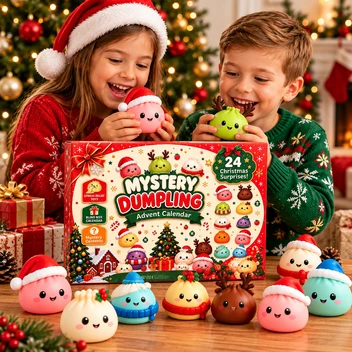
Squishy toys, textured balls, and simple press toys may appeal to children who like squeezing, touching, or repeating small movements. They can also become part of imaginative play or be used during a quiet break.
The key is to choose a toy that suits the child’s preferences rather than assuming every child enjoys the same sensory experience. Check the age guidance and product details, especially when buying for younger children.
Gifts That Encourage Children to Learn Through Everyday Activities
Some of the most useful gifts connect play with activities children can try in daily life. Gardening kits, child-friendly cooking tools, simple musical instruments, and beginner craft sets can introduce new interests while allowing children to practise skills.
A small gardening set might encourage a child to plant seeds and observe how they grow. A simple musical instrument can introduce rhythm and sound. A cooking-related gift may inspire supervised activities such as mixing ingredients or decorating food.
These gifts can be especially meaningful when an adult joins in. Sharing an activity gives children a chance to ask questions, learn through demonstration, and enjoy time together.
How to Choose a Gift That Fits the Child
Start With Their Interests
Think about what the child already enjoys. A child who loves drawing may appreciate art materials, while someone who enjoys taking things apart and building them may prefer a construction set.
A gift connected to an existing interest can encourage a child to explore it more deeply. It can also introduce a related activity without making the gift feel unfamiliar.
Consider Their Age and Abilities
Age recommendations help parents and gift-givers identify toys that are suitable for a child’s development. However, children within the same age group can have different interests and abilities.
Check whether the toy includes small parts, requires adult assistance, or involves materials that need careful handling. Safety should always come before appearance or popularity.
Look for More Than One Way to Play
Toys that allow different uses can remain interesting for longer. Building pieces can become houses, vehicles, or imaginary worlds. Art materials can be used for pictures, cards, or decorations.
A gift does not need to offer many features to be versatile. Sometimes, a simple item that leaves room for the child’s imagination is the most creative choice.
Making a Gift More Memorable
A thoughtful gift can become more enjoyable when it includes an opportunity to share the activity. You could pair a puzzle with a family game night, give art materials with an invitation to create something together, or add a book with a cosy reading routine.
For birthdays or celebrations, a small creative gift can also be combined with a card that encourages the child to try something new. The aim is not to turn every gift into a lesson, but to give the child an enjoyable way to explore an interest.
If you are looking for more toy and gift options, browse the wider collection at https://gifzy.co.uk/. Choose based on the child’s interests rather than assuming a toy belongs to a particular gender.
Conclusion
Creative gifts can give children more than a moment of excitement. Building sets, art materials, puzzles, books, pretend-play toys, science kits, and active toys can all encourage learning through enjoyable experiences.
The best choice depends on the child’s personality, age, and interests. Look for gifts that invite curiosity, allow room for imagination, and are safe for the child to use.
A thoughtful gift does not need to be complicated or expensive. When it gives a child something interesting to explore, create, or share, it can turn ordinary playtime into a meaningful experience.

 Հայերեն
 English
 Deutsch
 Русский
 Greek