


What Should You Check When an Unused Car's Interior Smells Like Damp Fabric?
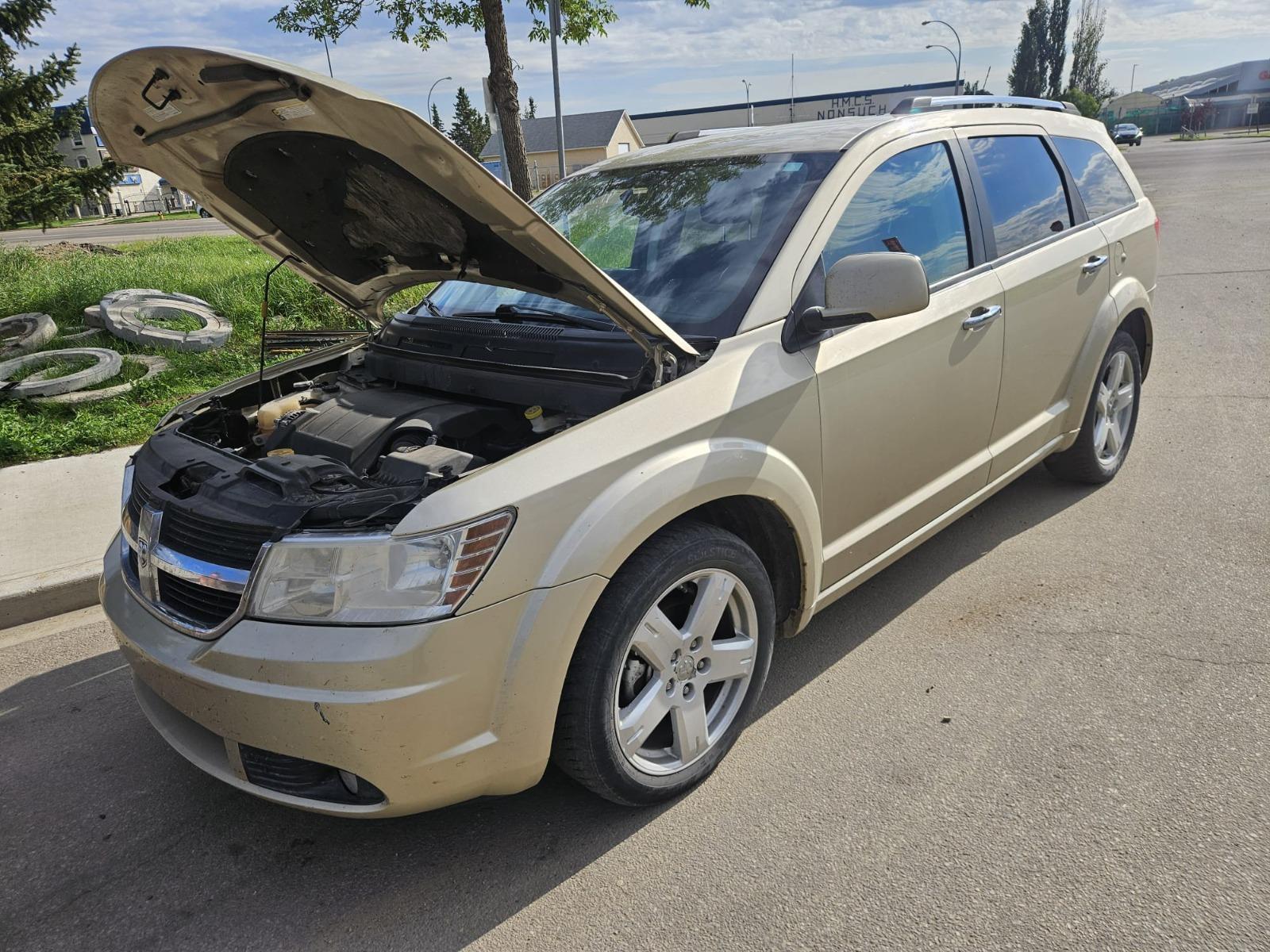
An unused car can develop a musty, damp-fabric smell even when it looks clean from the outside. You may open the door after several weeks of parking and notice an unpleasant odour coming from the seats, carpets, or roof lining. Sometimes the smell disappears after opening the windows, only to return a few days later.
This usually means moisture has accumulated somewhere inside the vehicle. Water may be entering through a damaged seal, collecting beneath the carpets, or becoming trapped in upholstery that never dries completely. In other cases, poor ventilation, condensation, or an unnoticed spill may be responsible.
Ignoring the smell can allow the underlying problem to worsen. Damp materials may develop mould, interior components can deteriorate, and persistent moisture may eventually affect electrical connections.
If your car has been sitting unused, here are the main areas to inspect and the steps you can take to find the source of the problem.
1. Check Beneath the Floor Mats and Carpets
One of the first places to inspect is beneath the floor mats. These surfaces can appear dry while the carpet padding underneath remains damp.
When water enters a vehicle, it may travel into the footwells and become trapped between the carpet and its underlying insulation. Because these layers receive little airflow, they can remain wet for days or even longer.
Remove the floor mats and check for:
-
Damp patches or unusually cold, wet carpet.
-
Water stains around the edges of the footwells.
-
A musty smell that becomes stronger near the floor.
-
Discolouration or visible mould.
-
Moisture beneath the front or rear seats.
Pay particular attention to the passenger footwell, rear seating area, and trunk. Water does not always collect where it first enters the vehicle.
If the padding is wet, simply leaving the windows open for a short time may not be enough. The underlying material needs to be dried thoroughly, and the source of the moisture must be identified.
2. Inspect the Door and Window Seals
Rubber seals around the doors and windows help prevent rainwater from entering the cabin. As a vehicle ages, these seals can become brittle, flattened, cracked, or loose.
A car that remains parked outdoors may be exposed to repeated rainfall and temperature changes without anyone noticing a small leak. Water can seep past a deteriorated seal and enter the door panels, carpets, or nearby upholstery.
Look for cracked rubber, gaps around the doors, water marks near the windows, and damp areas along the edges of the carpet.
Also check whether the doors close properly. A damaged or displaced seal may not make full contact with the vehicle body.
If you find evidence of a leak, have the seal inspected and repaired where necessary. Replacing a worn seal can be much less expensive than dealing with damaged carpeting, mould, or electrical problems caused by repeated water entry.
3. Look for Leaks Around the Windshield and Sunroof
Water can enter through more than one part of an ageing vehicle. A damaged windshield seal or blocked sunroof drainage system may allow moisture to reach the interior.
If the damp smell is strongest near the ceiling, inspect the headliner for water stains, sagging fabric, or damp patches around the sunroof opening. Marks near the upper corners of the windshield may also indicate a leak.
Sunroof drain tubes are designed to carry water away from the surrounding channel. When debris blocks a drain, water can overflow into the cabin instead of draining beneath the vehicle.
Windshield leaks may be harder to identify because water can travel behind the dashboard or down the interior pillars before reaching the carpet.
Do not assume that a wet floor always means the door seal is faulty. If the source is unclear, a professional leak inspection can help locate the entry point before more interior material becomes damaged.
4. Examine the Seats and Upholstery
Seats can absorb moisture from wet clothing, spills, humidity, or water entering through a leak. If a vehicle remains closed for long periods, damp upholstery may not dry properly.
Fabric seats can retain moisture deep inside their padding, allowing unpleasant smells to persist even after the surface feels dry. Leather and synthetic leather may also develop odours or surface deterioration if exposed to repeated damp conditions.
Check the seat cushions, seams, lower seat edges, and the area between the seats and centre console. Look for stains, discolouration, unusual softness, or visible mould.
If the smell is limited to one seat, an old spill or localised leak may be responsible. If the entire cabin smells damp, investigate broader moisture problems as well.
Use cleaning products suitable for the specific upholstery material. Avoid soaking the seats with excessive water, as this can make the problem worse. If moisture has penetrated deeply into the foam, professional cleaning and drying may be necessary.
5. Check the Trunk and Spare-Tyre Compartment
The trunk is an easy area to overlook, especially when the car is not being used regularly. However, water can enter through damaged trunk seals, rear lights, or body-panel joints.
Open the trunk and remove loose items, mats, and accessible storage covers. Inspect the spare-tyre well and surrounding carpet for water, rust, stains, or damp padding.
A small amount of water trapped in this area can produce a strong odour that spreads throughout the cabin. It may also remain hidden for a long time because the trunk is rarely opened.
If moisture is present, dry the area and investigate how the water entered. Cleaning the carpet without repairing the leak may only provide temporary relief.
6. Consider Condensation and Poor Ventilation
Not every damp smell comes from rainwater entering the vehicle. Condensation can also develop when warm, moist air comes into contact with cooler windows and interior surfaces.
A parked car with limited airflow may retain moisture from humid air, wet floor mats, or damp upholstery. Temperature changes can make the problem more noticeable, especially when the vehicle is left closed for weeks.
Common signs include foggy windows, a musty smell throughout the cabin, and slight dampness on interior surfaces.
To reduce moisture buildup, remove wet belongings, keep the interior clean, and ventilate the vehicle when weather and security conditions allow. If the vehicle has a recurring condensation problem, inspect it for hidden leaks rather than assuming ventilation alone will solve it.
Persistent dampness should be investigated because condensation and water intrusion can occur at the same time.
7. Look for Mould and Other Signs of Interior Damage
A persistent damp-fabric smell may indicate mould or mildew, particularly when moisture has been trapped for an extended period.
Inspect visible upholstery, carpet edges, seat seams, and other accessible surfaces for unusual spots or discolouration. Mould may appear as dark, greenish, or pale patches, although not every stain is mould and not all mould is visible.
Avoid aggressively brushing or vacuuming extensive mould growth, which can disturb and spread contaminated material. If the affected area is large, the smell is severe, or anyone experiences irritation around the vehicle, consider professional cleaning and assessment.
Moisture can also damage metal components beneath the carpet and contribute to corrosion. If the cabin has been wet repeatedly, have hidden areas inspected rather than focusing only on the visible fabric.
8. Decide Whether Repairing the Car Is Worthwhile
A damp interior does not automatically mean that a vehicle is beyond repair. A minor leak, a small spill, or a blocked drain may be relatively straightforward to resolve.
However, prolonged water exposure can lead to expensive problems, especially when several areas are affected. Replacing saturated carpet padding, repairing electrical components, treating extensive mould, and fixing multiple leaks can add up quickly.
Before spending money, consider the car's age, mechanical condition, current value, and estimated repair costs.
If the vehicle is otherwise reliable, fixing the leak and drying the interior may be worthwhile. If it has extensive water damage alongside major mechanical problems, comparing the repair expense with its resale value can help you decide what to do next.
Owners who no longer want to maintain an ageing vehicle can explore cash for cars Calgary as one possible alternative to continued repairs.
For a vehicle that is non-running or too expensive to restore, cash for junk cars in Calgary may be another option to investigate. Confirm the vehicle's eligibility, collection arrangements, and any applicable requirements before accepting an offer.
Conclusion
When an unused car smells like damp fabric, start by checking beneath the floor mats, inspecting the seats, and examining the door seals, windshield, sunroof drains, and trunk. These areas can reveal where moisture is entering or becoming trapped.
Cleaning alone will not solve the problem if a leak remains active. Identify the source, repair it, and dry affected materials thoroughly to reduce the risk of mould, persistent odours, and interior damage.
If the vehicle has been unused for a long time, an early inspection can help you avoid more expensive repairs. And when the cost of restoring the car no longer makes sense, comparing selling options can help you make a practical decision.

 Հայերեն
 English
 French
 Deutsch
 Русский