


Abdominoplasty in Dubai: What Factors Determine the Most Suitable Surgical Approach?
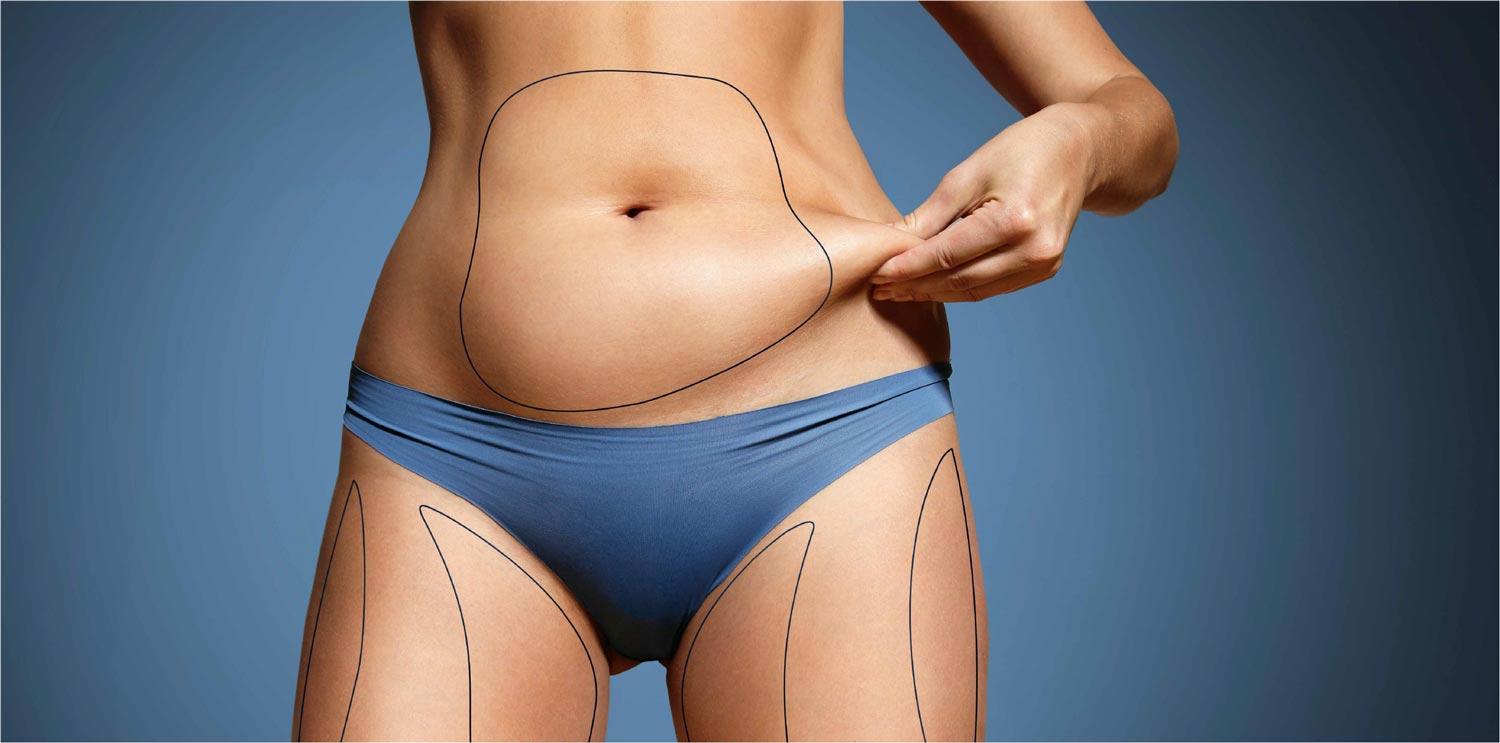
Abdominal appearance can change over time due to pregnancy, significant weight fluctuations, ageing, and changes in skin elasticity. For some individuals, these changes may leave loose skin, stubborn abdominal fat, or weakened abdominal muscles that do not respond as expected to diet and exercise. Abdominoplasty, commonly known as a tummy tuck, is a surgical procedure designed to address selected concerns involving the abdominal area.
Choosing the most appropriate procedure requires more than identifying excess skin. A surgeon must consider the amount and location of loose tissue, the condition of the abdominal muscles, the distribution of fat, the patient's medical history, and their expectations for the outcome. Individuals exploring Abdominoplasty Dubai options should understand that surgical planning is personalised, as different abdominal concerns may require different techniques.
This article explains the main factors that influence the selection of an abdominoplasty approach, how full and mini tummy tucks differ, and why an individual assessment is essential when planning treatment.
Understanding Abdominoplasty and Its Purpose
Abdominoplasty is a surgical procedure that removes excess abdominal skin and may include tightening separated or weakened abdominal muscles. Depending on the patient's anatomy and treatment goals, the procedure can also improve the overall contour of the abdomen by addressing selected areas of excess tissue.
The procedure is not intended to replace weight management or serve as a primary treatment for obesity. Instead, it is generally considered for people who are close to a stable, suitable weight but continue to experience abdominal changes that they would like to address surgically.
There is no single technique that suits everyone. Some patients have loose skin mainly below the belly button, while others have more extensive skin laxity across the upper and lower abdomen. The extent of muscle separation can also vary considerably.
Understanding these differences helps the surgeon determine whether a mini abdominoplasty, a full abdominoplasty, or another tailored surgical plan may be appropriate.
The Amount and Location of Excess Skin
The amount of loose abdominal skin is one of the most important factors in selecting a surgical approach. Skin laxity can develop when the abdominal area expands and subsequently loses some of its ability to retract.
For example, someone who has experienced pregnancy or substantial weight loss may have an overhang of loose skin in the lower abdomen. Another individual may have laxity extending from above the belly button to the pubic region.
When excess skin is limited to the lower abdomen, a mini tummy tuck may be considered. This approach generally focuses on the area below the navel and involves a more limited removal of tissue.
A full abdominoplasty may be more suitable when excess skin extends across a larger portion of the abdomen. It commonly involves removing skin from the lower abdominal area and repositioning the belly button through a separate opening in the remaining skin.
During the consultation, the surgeon examines the skin's distribution, elasticity, and thickness. These observations help determine how much tissue can be removed while allowing the remaining skin to close appropriately and produce a balanced abdominal contour.
The Condition of the Abdominal Muscles
Changes in abdominal muscle structure can influence the choice of procedure. During pregnancy or following significant weight changes, the connective tissue between the two rectus abdominal muscles may stretch and widen. This is commonly referred to as diastasis recti.
Muscle separation may contribute to a protruding abdominal appearance, even when a person maintains a relatively stable weight. In such cases, removing excess skin alone may not fully address the underlying concern.
A full abdominoplasty may include muscle repair, in which the separated muscles are brought closer together using surgical sutures when clinically appropriate. This can improve abdominal firmness and contour.
A mini tummy tuck may also include limited muscle tightening in selected patients, depending on the location and extent of the separation. However, it may not adequately address muscle changes extending higher across the abdomen.
The surgeon therefore evaluates the abdominal wall during the assessment rather than relying only on the visible appearance of the skin. The presence, extent, and location of muscle separation can help determine which technique is likely to meet the patient's goals.
Choosing Between a Full and Mini Tummy Tuck
The distinction between a full and mini tummy tuck is important because the procedures address different patterns of abdominal change.
A mini tummy tuck is generally intended for patients with a relatively small amount of loose skin below the belly button and limited concerns involving the lower abdominal wall. It usually requires a shorter incision than a full abdominoplasty, although the exact incision and technique depend on individual anatomy.
A full tummy tuck is typically considered when excess skin is more extensive or when muscle tightening and contouring are needed across a broader abdominal area. The procedure often involves a longer incision and repositioning of the belly button.
Neither approach is automatically better than the other. A smaller procedure may be sufficient for one patient but may leave significant concerns untreated in another. Similarly, a more extensive operation is not necessarily appropriate when the problem is limited to a small area.
The decision should be based on the patient's anatomy, the extent of tissue changes, the desired improvement, and the surgeon's clinical findings.
The Distribution of Abdominal Fat
The location and amount of abdominal fat can also affect surgical planning. Excess fat may be present beneath the skin or deeper within the abdominal cavity around the internal organs. These are different types of tissue and should not be treated as though they respond to the same procedure.
Abdominoplasty primarily addresses excess skin and may remove some associated subcutaneous fat. It is not designed to remove visceral fat, which lies deeper inside the abdomen.
If a patient has a relatively small amount of excess skin but localised subcutaneous fat, another approach may sometimes be considered. Liposuction may be suitable for selected patients who have good skin elasticity and do not require substantial skin removal.
In other cases, liposuction may be incorporated into a broader surgical plan to refine the abdominal contour. The suitability of combining procedures depends on the patient's anatomy, the extent of treatment, and the surgeon's assessment.
A consultation helps distinguish between concerns caused mainly by excess fat, loose skin, muscle separation, or a combination of these factors. This distinction is important because removing fat alone may not improve loose skin and can sometimes make skin laxity more noticeable.
Skin Elasticity and Tissue Quality
Skin elasticity affects how the remaining tissue may settle after excess skin is removed. Younger skin often has greater elasticity, although age alone cannot predict how well an individual's skin will respond to surgery.
Factors such as previous pregnancies, significant weight changes, sun exposure, genetics, and the duration of skin stretching may influence tissue quality.
When skin laxity is substantial, removing excess tissue may be necessary to create a smoother abdominal outline. If elasticity is relatively good and the concern is mainly localised fat, a less extensive approach may be considered.
The surgeon also assesses the thickness and condition of the skin, including the presence of stretch marks and existing scars. Stretch marks located within the section of skin removed during surgery may be reduced, but marks outside that area generally remain.
A realistic discussion about these limitations helps patients understand what surgery may improve and which skin changes are likely to persist.
Previous Surgery and Existing Abdominal Scars
Previous abdominal surgery is another factor that can influence the selection of an abdominoplasty technique. Patients may have scars from a caesarean delivery, appendectomy, hernia repair, or other abdominal procedures.
The location and appearance of existing scars can affect incision planning and the surgeon's assessment of the underlying tissue. Previous operations may also have altered the anatomy or affected blood supply in the abdominal area.
In many cases, an existing lower abdominal scar can be incorporated into the planned incision. However, this depends on its position, the amount of skin available for removal, and the overall surgical requirements.
Patients should provide details of previous procedures during their consultation. Sharing relevant medical records, where available, may help the surgeon develop a more informed plan.
The aim is to select a technique that addresses the current abdominal concerns while taking the patient's surgical history into account.
Body Weight and Overall Health
A suitable candidate for abdominoplasty generally has a reasonably stable body weight and realistic expectations about the procedure. Significant weight fluctuations after surgery can affect the abdominal contour and may lead to further skin laxity.
For this reason, individuals planning substantial weight loss may be advised to discuss the timing of surgery with their surgeon. Maintaining a stable weight before treatment can make it easier to assess the amount of excess tissue and plan an appropriate procedure.
Overall health is equally important. The consultation may include a review of medical conditions, medications, previous operations, smoking or nicotine use, and any factors that could influence healing.
Patients should disclose their complete medical history and follow personalised instructions regarding preparation and recovery. Certain health conditions or lifestyle factors may require additional assessment or changes to the treatment plan.
The objective is not simply to choose the desired surgical technique but to determine whether surgery is appropriate at that time and what preparation may be needed.
Pregnancy Plans and Long-Term Goals
Future pregnancy plans can influence the timing of abdominoplasty. Pregnancy may stretch the abdominal skin and muscles again, potentially changing the results achieved through surgery.
Patients who plan to become pregnant in the near future may wish to discuss whether postponing the procedure would better support their long-term goals. The decision should account for individual circumstances rather than follow a universal rule.
Long-term weight management is also relevant. Abdominoplasty can remove selected excess tissue, but it does not prevent future weight gain or stop the natural ageing process.
During the consultation, patients should explain what they hope to achieve, whether they anticipate major body changes, and which aspects of their abdominal appearance concern them most. These details help the surgeon determine the appropriate timing and extent of treatment.
Understanding Abdominoplasty Cost in Dubai
The overall cost of abdominoplasty depends on several factors, including the type of procedure, the complexity of the surgical plan, the surgeon's professional fees, the facility, anaesthesia, and the care provided before and after surgery.
A mini tummy tuck may involve a different level of surgical work from a full abdominoplasty. Additional procedures, such as selected muscle repair or liposuction, may also affect the total fee.
When researching Abdominoplasty Cost in Dubai, patients should look beyond the headline price and clarify what the quoted amount includes. It can be helpful to ask whether consultations, medical assessments, facility charges, anaesthesia, follow-up appointments, and postoperative garments are included or charged separately.
An accurate estimate generally requires an individual consultation because the extent of excess skin and the complexity of the treatment vary between patients.
Cost should be considered alongside the surgeon's qualifications, the suitability of the proposed technique, the standards of the surgical facility, and the quality of follow-up care. The most appropriate plan is one that addresses the patient's needs while prioritising sound clinical judgement.
Why an Individual Consultation Is Essential
An individual consultation allows the surgeon to bring together all the factors that influence surgical planning. These include the distribution of excess skin, abdominal muscle condition, fat deposits, skin elasticity, existing scars, general health, and the patient's expectations.
The assessment may involve examining the abdomen while standing and lying down, discussing previous pregnancies or weight changes, and reviewing relevant medical information. The surgeon can then explain which options may be suitable and why a particular approach is being considered.
Patients should have the opportunity to ask questions about incision placement, belly button positioning, expected changes in abdominal shape, recovery arrangements, and the likely limitations of treatment.
Clear communication is especially important when expectations differ from what the patient's anatomy can realistically support. A personalised plan should explain the anticipated outcome without promising perfect symmetry or a specific result.
Conclusion
Selecting the most suitable abdominoplasty approach involves a careful assessment of the patient's anatomy, skin quality, abdominal muscles, fat distribution, medical history, and long-term goals. A mini tummy tuck may be appropriate for limited lower abdominal skin laxity, whereas a full abdominoplasty may be considered when excess skin and muscle separation extend across a broader area.
Previous surgery, body weight, future pregnancy plans, and overall health also influence the timing and design of treatment. Understanding these factors helps patients make informed decisions and develop realistic expectations.
For individuals considering Abdominoplasty Dubai, a personalised consultation is the most useful starting point. Discussing the available options, expected outcomes, and Abdominoplasty Cost in Dubai can help establish a treatment plan that reflects individual needs rather than relying on a one-size-fits-all approach.
Frequently Asked Questions
1. What factors determine the most suitable abdominoplasty procedure?
The main factors include the amount and location of excess skin, the condition of the abdominal muscles, fat distribution, skin elasticity, previous surgery, general health, and the patient's desired outcome. A surgeon evaluates these factors together before recommending a technique.
2. What is the difference between a full tummy tuck and a mini tummy tuck?
A mini tummy tuck generally focuses on excess skin below the belly button and may involve limited muscle tightening. A full tummy tuck addresses a broader area of the abdomen and commonly involves repositioning the belly button. The appropriate choice depends on the patient's anatomy.
3. Can abdominoplasty tighten separated abdominal muscles?
Yes, abdominoplasty may include repair of separated abdominal muscles, a condition known as diastasis recti. The extent of repair depends on the location and severity of the separation and the surgical approach selected.
4. Is abdominoplasty suitable for someone who wants to lose weight?
Abdominoplasty is not primarily a weight-loss procedure. It is generally considered for people who have excess abdominal skin or selected contour concerns after reaching a reasonably stable weight. Patients planning significant weight loss should discuss suitable timing with their surgeon.
5. Does skin elasticity affect the choice of tummy tuck?
Yes. Skin elasticity and tissue quality help the surgeon assess how much excess skin needs to be removed and which approach may be suitable. The assessment also considers stretch marks, previous skin stretching, and existing scars.
6. Can liposuction be combined with abdominoplasty?
Liposuction may be combined with abdominoplasty in selected patients to refine specific areas of the abdominal contour. Whether the procedures should be combined depends on the patient's anatomy, treatment goals, and the surgeon's clinical judgement.
7. How is Abdominoplasty Cost in Dubai determined?
The cost depends on the type and complexity of surgery, the surgeon's fees, anaesthesia, facility charges, and the services included in the treatment package. An individual consultation is generally needed to obtain an appropriate estimate.
8. How should patients prepare for an abdominoplasty consultation in Dubai?
Patients should be ready to discuss their medical history, previous abdominal procedures, medications, weight changes, pregnancy plans, and desired results. Preparing questions about the proposed technique, recovery, expected outcomes, and total cost can also make the consultation more informative.
9. Can previous abdominal surgery affect the surgical approach?
Yes. Existing scars, changes to the abdominal anatomy, and details of previous operations may influence incision placement and treatment planning. The surgeon will review the relevant history before recommending an approach.
10. When can the final results of abdominoplasty be assessed?
The abdominal contour changes gradually as postoperative swelling settles and tissues heal. The time required for the results to become clearer varies according to the procedure and individual healing. The surgeon will advise on follow-up appointments and the expected recovery timeline.

 English
 French
 Deutsch
 Русский
 Greek