


How Sports Streaming Is Experimenting With Alternate Camera Angles
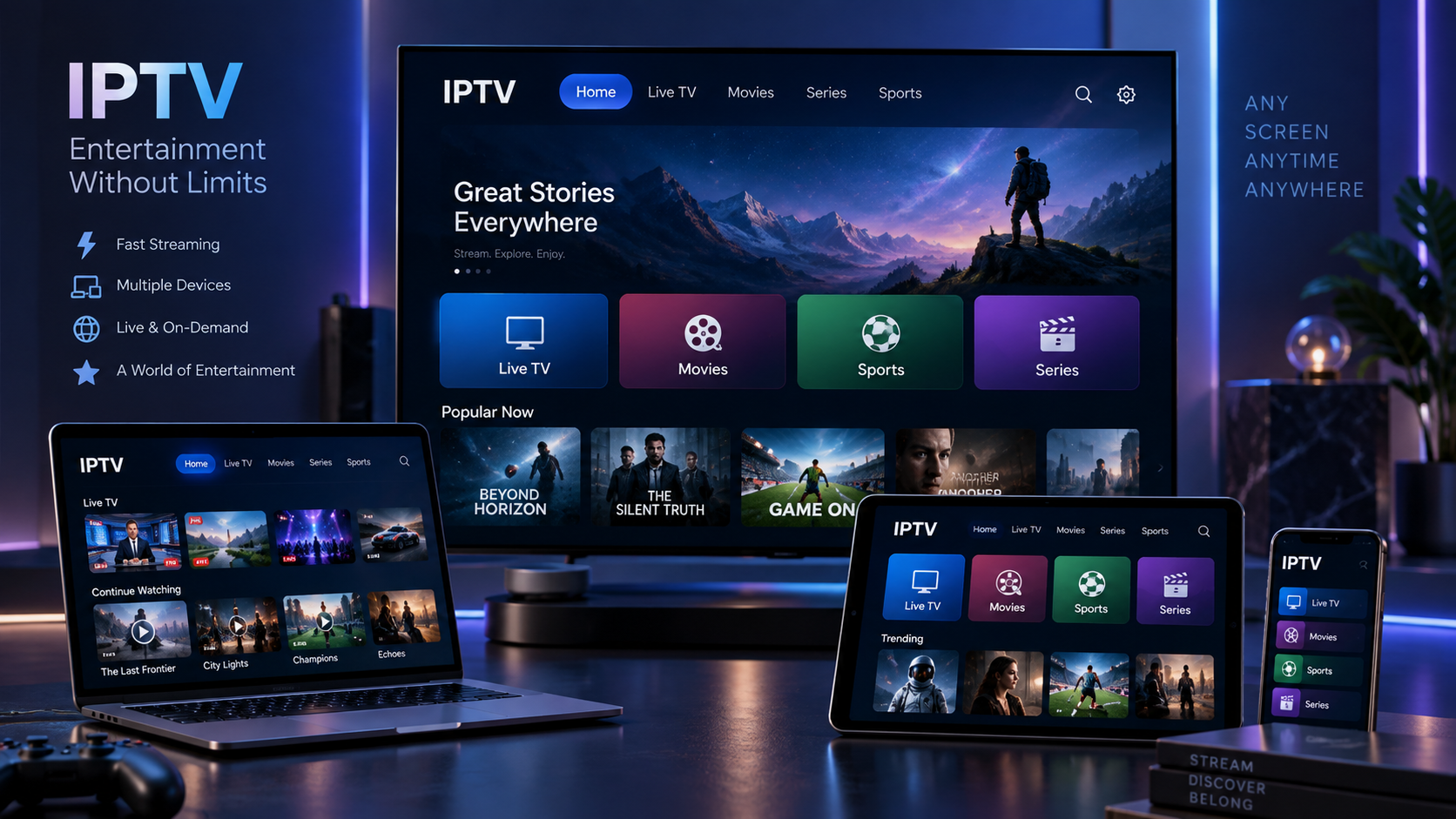
Watching sports at home has traditionally meant following the action from the camera views selected by a broadcast director. These views usually provide a clear picture of the match, race, or competition, but they do not always show the details every viewer wants to see. Some fans want a closer look at a player's movement, while others prefer a wider view that helps them understand the team's overall strategy.
Streaming technology is creating more opportunities to experiment with alternate camera angles and personalised viewing options. Instead of relying entirely on one main broadcast view, viewers may be able to explore different perspectives, follow specific players, or choose camera feeds that match their interests. Although these features are still developing across different sports and platforms, they could change how audiences interact with live competitions.
What Are Alternate Camera Angles in Sports Streaming?
Alternate camera angles are additional viewpoints that show the same sporting event from different positions. A football match, for example, might include a wide tactical view, a camera near the goal, and closer shots of individual players. A motorsport broadcast may offer cockpit cameras, pit-lane views, and onboard footage that reveals what a driver experiences during a race.
Traditional broadcasts already use multiple cameras, but viewers generally see the angles selected by the production team. Alternate-angle features give audiences more opportunities to explore footage beyond the main programme feed, depending on the streaming service and event.
These options can serve different purposes. Some angles provide a better understanding of the overall competition, while others reveal details that are difficult to appreciate from a standard television view. The aim is to give fans more control over how they watch without losing sight of the main action.
How Alternate Angles Could Improve Sports Coverage
Different viewers look for different details during a sporting event. A football supporter may want to see how a defensive line moves, while a tennis fan might prefer a view that makes ball placement and court positioning easier to understand. Alternate angles can offer more flexibility for these preferences.
Features that expand sports coverage can make a broadcast more informative by showing additional perspectives alongside the main feed. Instead of relying on commentary alone, viewers may be able to explore a replay from another angle or switch to a dedicated camera that focuses on a particular part of the event.
This flexibility can also help viewers revisit important moments. A goal, disputed call, close finish, or tactical decision may look different from another viewpoint. When suitable footage is available, alternate angles can provide helpful context and encourage fans to examine the action more closely.
However, an additional camera view does not automatically provide a complete explanation of what happened. Camera placement, timing, and the footage available all affect what viewers can see. The most useful systems combine additional perspectives with reliable replays and clear presentation.
Why Different Sports Need Different Camera Options
The value of alternate angles depends heavily on the sport being shown. In football, wide-angle views can help fans understand formations, passing options, and movement away from the ball. A close-up may show a player's technique, but it can also leave important parts of the field outside the frame.
Tennis presents a different set of possibilities. Court-level cameras can highlight movement and ball placement, while elevated views may make it easier to follow the geometry of a rally. Close-up footage can add detail, although a wider perspective is often better for understanding the full point.
Motorsport benefits from onboard cameras that show the driver's perspective, steering inputs, and conditions on the track. Other camera positions can reveal overtaking attempts, pit stops, and gaps between competitors. In basketball, views from different areas of the court can help explain spacing, defensive positioning, and off-ball movement.
No single camera setup works equally well for every sport. Broadcasters need to consider the speed of play, the size of the competition area, and the details viewers are likely to find useful.
How Personalised Viewing Could Work
One possible development is the ability to choose a preferred camera view directly from a streaming interface. Instead of waiting for the broadcast director to switch angles, a viewer might select a wide view, a close camera, or a dedicated feed when those options are available.
Some interactive sports experiences could also allow viewers to follow specific athletes or teams more closely. For example, a fan interested in a particular footballer might value footage that shows their positioning and movement, even when they are not directly involved in the ball's immediate path.
Personalisation could extend beyond camera selection. Viewers might be able to choose between different commentary options, access additional statistics, or view selected replays while the main match continues. The exact possibilities depend on the platform, available feeds, and broadcasting rights.
The challenge is making these controls simple enough to use during live action. Fans should not have to navigate complicated menus or risk missing an important moment just to change their view. A clear interface with a quick way to return to the main feed would help make alternate angles more practical.
The Role of Streaming Technology
Delivering several camera feeds creates more technical demands than distributing a single broadcast. Each additional angle requires video capture, processing, encoding, and delivery to viewers. If many feeds are available simultaneously, the streaming provider must manage the additional data and ensure that the viewing experience remains stable.
Internet bandwidth is an important consideration. Watching one high-quality stream may work comfortably on a home connection, but switching between multiple feeds or displaying several views at once can increase data requirements. The actual impact depends on how the platform delivers the video and whether additional feeds are loaded continuously or only when selected.
Latency is another factor. If the alternate angle arrives noticeably later than the main feed, switching between views can become confusing. Synchronising camera feeds helps viewers move between perspectives without losing the sequence of events.
Devices and applications must also support the features offered. A service may provide interactive camera controls on one platform but have more limited functionality on another. Reliable delivery, compatible equipment, and a well-designed interface all contribute to whether the feature feels useful.
Can Multiple Angles Help Viewers Understand Tactics?
Alternate camera angles may offer more than entertainment value. They can help fans understand how a competition unfolds beyond the immediate action shown on the main broadcast.
In football, a wide tactical camera can reveal how a team creates space, adjusts its formation, or presses an opponent. In basketball, a broader view can help viewers see how players move without the ball and how defensive coverage changes. These details may be difficult to follow when the main feed remains focused on the player in possession.
Coaches, analysts, and dedicated fans may find these perspectives particularly useful when reviewing performances. Different camera angles can reveal positioning and movement that a close-up misses, making it easier to discuss the reasons behind a particular outcome.
Still, viewers need context to interpret what they see. A camera angle provides visual information, but it does not explain every tactical decision or establish the full circumstances of an incident. Analysis, commentary, and suitable replays remain important parts of understanding the competition.
Challenges Broadcasters Need to Consider
Although alternate-angle features offer interesting possibilities, they also create practical challenges. More cameras require additional equipment, coordination, technical support, and production resources. Not every event can justify the expense of capturing and distributing numerous separate feeds.
There are also questions about which footage viewers should be allowed to access and when. Live events may involve sensitive moments, restricted views, or broadcast rules that limit how certain images are shown. Providers must manage camera selection while respecting production requirements and applicable rights agreements.
Another challenge is avoiding information overload. Giving viewers too many choices can make a broadcast more confusing rather than more enjoyable. Most audiences still want a clear main view, with additional perspectives available when they add value.
The strongest implementations will likely focus on a small number of genuinely useful options rather than presenting every available camera feed at once.
What Viewers Should Look for in Interactive Sports Streams
When choosing a streaming service, viewers interested in alternate angles should check whether the feature is available for their preferred sports and specific events. The presence of interactive tools on a platform does not mean every match or competition will offer the same options.
It is also worth checking device compatibility, internet requirements, and whether alternate feeds are included in the standard viewing experience. Some features may be limited to particular devices, subscription tiers, or broadcast rights.
A stable connection remains important, especially when viewing high-resolution video or switching between feeds. Keeping the streaming application and device software updated can help address certain compatibility issues, although it cannot add camera options that the provider does not offer.
Most importantly, consider whether the available perspectives genuinely improve the experience. A useful alternate angle should reveal something meaningful about the action rather than simply add another choice to the screen.
Final Thoughts
Alternate camera angles are creating new possibilities for sports streaming by giving viewers more ways to explore live competitions. From tactical wide views to onboard cameras and close-up replays, different perspectives can reveal details that a standard broadcast may not always show.
Making these experiences successful requires more than installing additional cameras. Streaming providers need to synchronise feeds, manage bandwidth, support compatible devices, and design controls that remain easy to use during fast-moving events.
As interactive viewing develops, the most effective features will be those that give fans meaningful choice without making the broadcast harder to follow. A well-selected alternate angle can deepen understanding, add context, and make watching sports at home a more engaging experience.

 Հայերեն
 English
 French
 Deutsch
 Greek