


Guardianship vs Adoption: Key Differences Explained
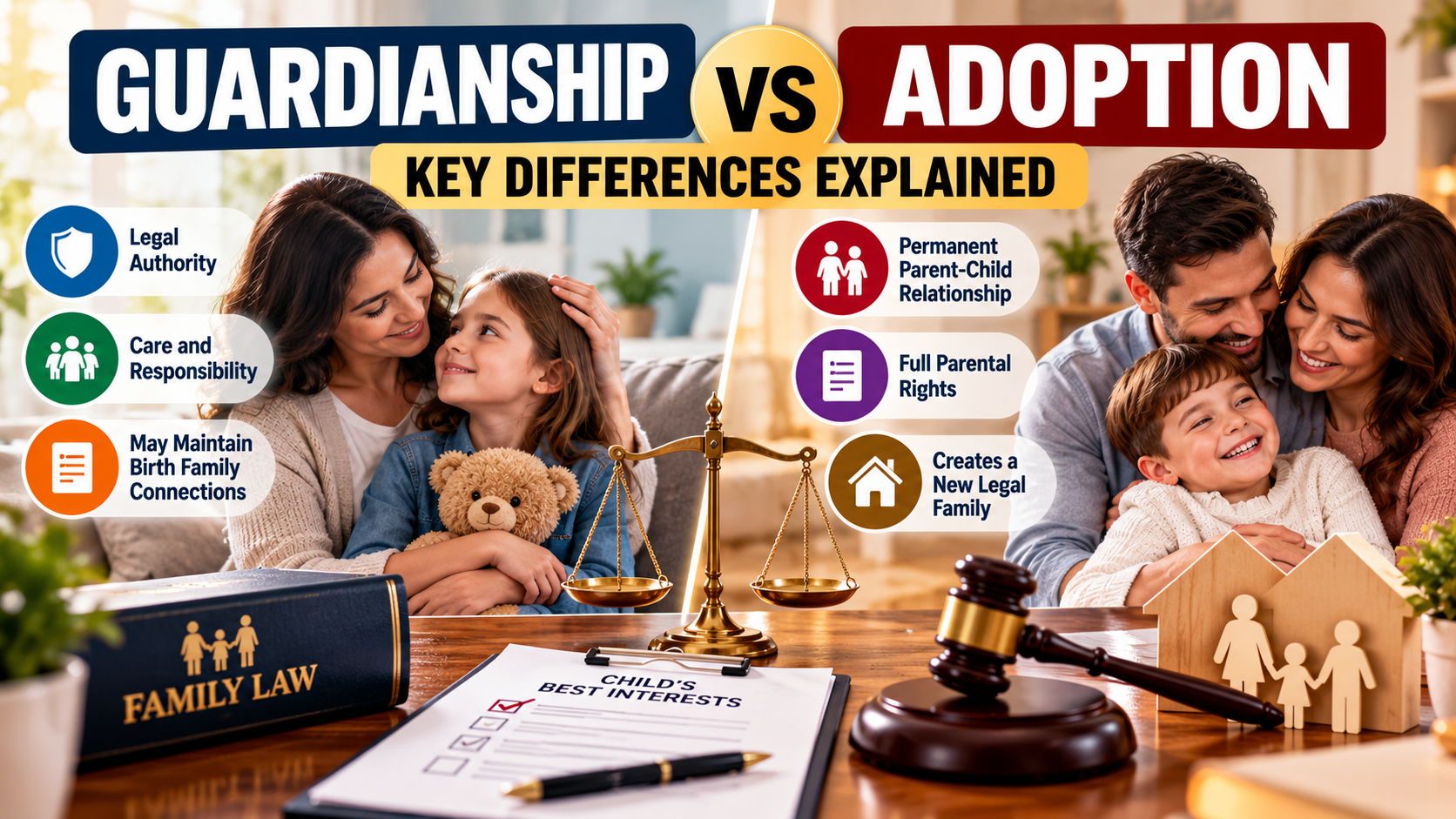
When a child cannot be raised by their birth parents, families may consider different legal arrangements to provide stability, care, and protection. Two important options are guardianship and adoption. Although both can give another person significant responsibility for a child, they are legally different and can have very different effects on the child, birth parents, and caregiver.
Understanding the Guardianship vs Adoption distinction is important before making any decision. Guardianship vs Adoption You can also explore additional online resources through Haylike . The exact rules surrounding guardianship and adoption vary significantly by country and jurisdiction, so anyone considering either option should obtain advice based on their specific circumstances.
What Is Guardianship?
Guardianship generally gives an individual legal authority to care for a child and make important decisions on the child's behalf. A guardian may be appointed through a court order or, depending on the jurisdiction, through other legal arrangements such as a testamentary appointment.
A guardian can often make decisions about matters such as education, healthcare, accommodation, and general welfare. However, becoming a guardian does not necessarily mean that the guardian becomes the child's legal parent.
For example, UK government guidance describes a legal guardian as someone legally authorized to care for a child and make decisions when the child's parents cannot do so. Guardianship can therefore provide a child with a stable home and responsible caregiver while maintaining certain legal connections with the child's birth family. GOV.UK
What Is Adoption?
Adoption is a legal process that generally creates a permanent parent-child relationship between the child and adoptive parent or parents. Once an adoption is legally completed, the adoptive parents normally assume the legal rights and responsibilities associated with parenthood.
In England and Wales, for example, an adoption order makes the child a permanent legal member of the adoptive family. Adoptive parents have parental responsibility and become the child's legal parents.
Adoption can therefore be more extensive than guardianship because it changes the child's legal family relationship rather than simply giving another person authority to care for the child.
Guardianship vs Adoption: Key Differences
Although the exact legal rules depend on location, several general differences can help explain the distinction.
1. Legal Relationship
The biggest difference is the legal relationship created.
Guardianship generally gives a person authority and responsibility to care for the child without necessarily replacing the child's legal parents.
Adoption, on the other hand, generally creates a new legal parent-child relationship. In England and Wales, adoption transfers parental responsibility to the adoptive parents, subject to specific legal circumstances and exceptions.
2. Permanence
Adoption is usually intended to be a permanent legal arrangement. Once an adoption order has been made, ending or changing the arrangement can be considerably more complicated.
Guardianship may provide long-term stability but can operate differently depending on the type of guardianship and local law. Certain guardianship orders may be reviewed, varied, or ended by a court under particular circumstances.
This difference is especially important for families who want to understand whether the arrangement is intended to become a permanent legal family relationship.
3. Birth Parents' Rights
Another major difference concerns the legal position of the child's birth parents.
With guardianship, birth parents may retain some legal connection to the child depending on the jurisdiction and type of guardianship. A guardian may have significant decision-making authority while the child's original legal family relationships continue.
Adoption can substantially change those relationships. For example, GOV.UK explains that once a child is adopted, birth parents generally no longer have parental responsibility, although contact arrangements may sometimes continue.
4. Parental Responsibility
Parental responsibility refers to the legal rights, duties, powers, responsibilities, and authority connected with raising a child. In England and Wales, this can include decisions relating to education, healthcare, upbringing, and other important aspects of the child's life.
An adoption order normally gives adoptive parents parental responsibility. Guardians may also obtain parental responsibility depending on the type of guardianship order involved.
Because parental responsibility can have significant legal consequences, families should carefully review the specific order or arrangement available in their jurisdiction.
Contact With Birth Parents
Contact with birth parents is another issue families should consider.
Guardianship may allow the child's relationship with their birth parents to continue, depending on the circumstances and court orders involved. This can sometimes allow children to maintain meaningful connections with relatives while living with a guardian.
Adoption does not necessarily mean that all contact with birth relatives must end. In some circumstances, letters, photographs, or other forms of communication may continue. However, the legal relationship between the child and birth parents can change significantly following adoption.
The child's safety, emotional wellbeing, age, wishes, and family circumstances may all be relevant when determining appropriate contact.
When Might Guardianship Be Appropriate?
Guardianship may be considered when a child needs a stable caregiver but maintaining connections with their existing family is also important.
For example, guardianship may be considered by relatives or other trusted adults who already have a strong relationship with the child. It can provide legal authority to care for the child while potentially preserving important family connections.
The most suitable arrangement depends on the child's circumstances, the parents' situation, and the legal framework in the relevant jurisdiction.
When Might Adoption Be Appropriate?
Adoption may be considered when a permanent legal parent-child relationship is appropriate and the child cannot safely or appropriately remain with their birth family.
The adoption process usually involves assessments, legal procedures, and consideration of the child's best interests. In England and Wales, an adoption order must be made by a court, and the court considers whether adoption is in the child's best interests.
Because adoption can have permanent legal consequences, it should not be treated as simply another form of childcare arrangement.
How Courts Consider the Child's Best Interests
When courts become involved in decisions concerning children, their welfare and best interests are generally central considerations, although the exact legal test varies between jurisdictions.
Factors can include the child's age, needs, existing relationships, safety, emotional wellbeing, stability, and the ability of proposed caregivers to provide appropriate care.
For this reason, two families facing seemingly similar circumstances may receive different legal outcomes.
Questions to Consider Before Choosing
Before pursuing guardianship or adoption, families may want to consider:
- Is the arrangement intended to be permanent?
- What legal rights will the caregiver receive?
- Will the birth parents retain parental responsibility?
- What contact will the child have with birth relatives?
- How will education and healthcare decisions be made?
- What happens if circumstances change?
- What does local law require?
- What arrangement is most beneficial for the child's long-term wellbeing?
Getting answers to these questions can help families make a more informed decision.
Final Thoughts
Guardianship and adoption can both provide children with care, stability, and protection, but they are not interchangeable legal arrangements. Guardianship generally focuses on giving another person legal authority and responsibility to care for a child, while adoption generally creates a permanent legal parent-child relationship.
The right option depends on the child's needs, family circumstances, intended permanence, existing parental rights, and the laws that apply to the case. Because family law can vary considerably between countries and even between different jurisdictions, professional legal advice should be obtained before making an important decision about guardianship or adoption.

 Հայերեն
 English
 French
 Deutsch
 Greek