


Garden Watering Schedule: How Often Should You Water?
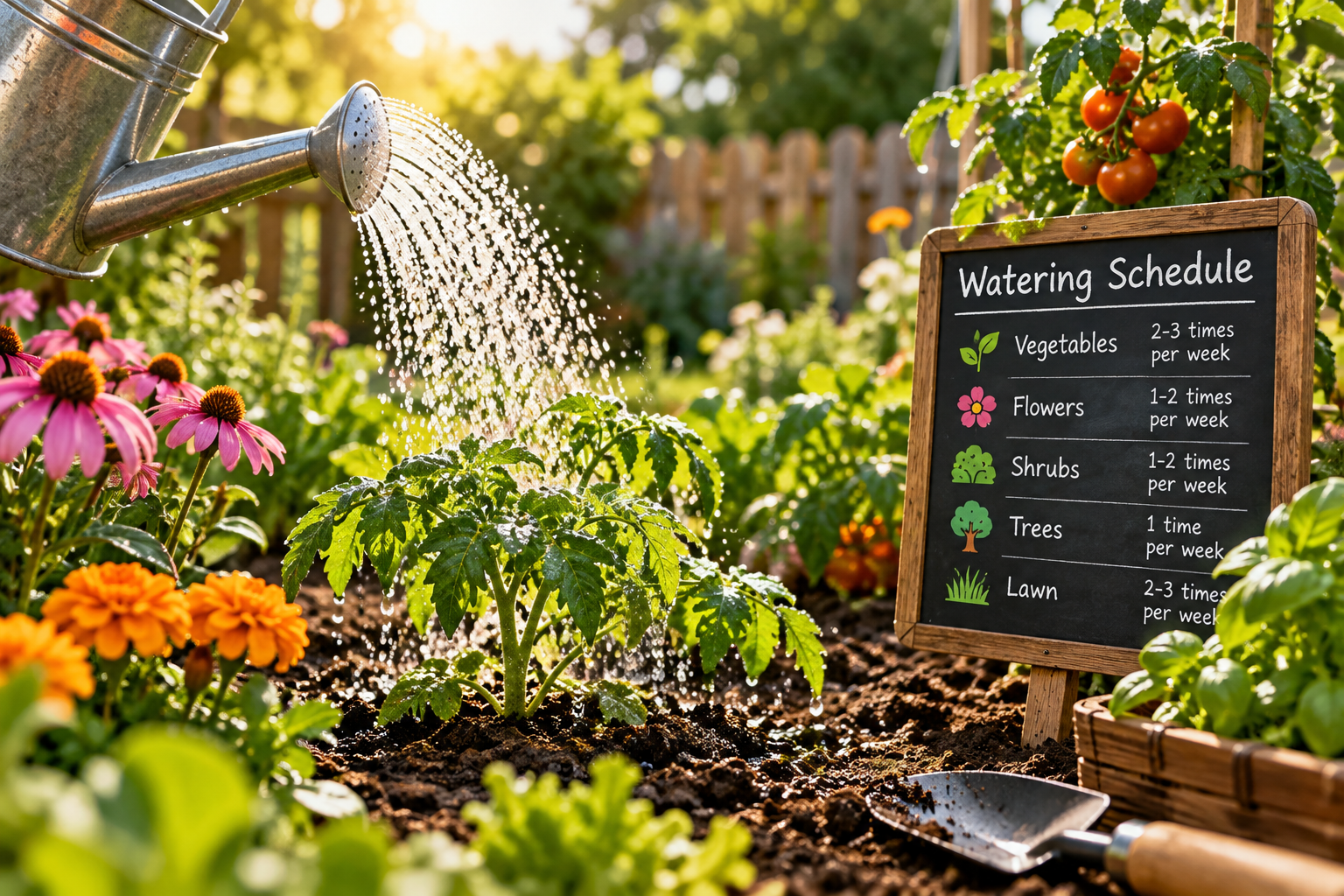
Watering your garden may seem simple, but giving plants the right amount of water at the right time can make a major difference in their growth. Too little water can leave plants stressed, while too much can cause root problems, fungal diseases, and poor growth. A consistent routine helps plants receive the moisture they need without wasting water.
Creating a garden watering schedule is one of the easiest ways to keep your plants healthy throughout the year. The ideal routine depends on factors such as plant type, soil, weather, season, and sunlight. You can also explore Haylike for additional gardening and outdoor-related information.
How Often Should You Water Your Garden?
There is no single watering routine that works for every garden. Newly planted flowers, established shrubs, vegetables, lawns, and container plants all have different moisture requirements.
As a general starting point, many garden plants need deep watering once or twice a week during dry conditions rather than receiving a small amount of water every day. However, hot temperatures, sandy soil, strong winds, and prolonged periods without rain can increase the need for water.
Instead of following a strict calendar, check the soil before watering. Push your finger about an inch into the soil. If the soil feels dry at that depth, your plants may need water. If it still feels moist, you can usually wait.
Why a Watering Schedule Matters
A regular watering routine encourages plants to develop stronger and deeper root systems. When plants receive frequent but very shallow watering, their roots may remain close to the surface, where the soil dries out quickly.
Deep and consistent watering allows moisture to move farther into the soil and encourages roots to grow downward. This can make established plants more resilient during periods of heat or limited rainfall.
A schedule also helps prevent accidental overwatering. Rather than watering whenever you remember, you can monitor soil moisture and adjust your routine based on actual garden conditions.
Best Time of Day to Water Plants
The best time to water most outdoor plants is usually early in the morning. Morning watering gives moisture enough time to reach the root zone before temperatures become high.
Early watering can also reduce unnecessary evaporation compared with watering during the hottest part of the afternoon. Plants have access to moisture when they begin their daily growth cycle, which can be especially helpful during hot weather.
Evening watering can also work, particularly during very hot conditions. However, keeping foliage wet overnight may increase the risk of certain fungal problems. Whenever possible, direct water toward the soil rather than spraying the entire plant.
How Much Water Does Your Garden Need?
Water requirements vary considerably between plants. Vegetables such as tomatoes, cucumbers, and squash may require consistent moisture during active growth, while drought-tolerant plants can survive with considerably less water.
Young plants generally need more frequent attention because their root systems are still developing. Established trees and shrubs may require less frequent but deeper watering.
Instead of focusing only on the number of minutes you run a hose or sprinkler, pay attention to how deeply the water is reaching the soil. The goal is to provide enough moisture to reach the root zone without leaving the ground continuously saturated.
Adjusting Watering by Season
Your watering needs should change throughout the year.
Spring:
Cooler temperatures and regular rainfall may reduce the need for supplemental watering. Newly planted flowers and vegetables should still be monitored carefully.
Summer:
Hot temperatures and increased evaporation can quickly dry the soil. Check moisture more frequently and provide deeper watering when necessary.
Fall:
As temperatures decrease, plants generally need less water. However, newly planted trees, shrubs, and perennials may still require regular watering while their roots become established.
Winter:
In colder climates, many plants enter dormancy and need significantly less water. During dry periods without freezing conditions, evergreen plants may still benefit from occasional moisture.
How Soil Type Affects Watering
Soil type is another important factor when developing a watering routine.
Sandy soil drains quickly, which means plants may need watering more frequently. Clay soil holds water for longer periods but can become compacted and poorly drained if it receives too much water.
Loamy soil generally provides a useful balance between drainage and moisture retention. Adding organic matter, such as compost, can also improve the structure of many garden soils and help retain moisture.
Understanding your soil can therefore help you avoid both underwatering and overwatering.
Signs Your Plants Need More Water
Plants often provide visible clues when they are not receiving enough moisture. Common signs include:
- Wilting leaves
- Dry or cracked soil
- Yellowing or browning leaves
- Slow growth
- Drooping stems
- Leaves becoming dry or crispy
However, wilting does not always mean a plant needs more water. Root problems caused by excessive moisture can produce similar symptoms, so always check the soil before watering again.
Signs You Are Overwatering
Overwatering is one of the most common gardening mistakes. Plants sitting in constantly wet soil may develop weak roots because the roots cannot receive enough oxygen.
Possible signs of overwatering include yellow leaves, consistently soggy soil, fungal growth, root rot, and a general decline in plant health.
If the soil remains wet for several days, reduce the watering frequency and investigate whether drainage is adequate.
Tips for Creating an Effective Watering Routine
A few simple practices can make garden watering more efficient:
- Check the soil before watering.
- Water deeply instead of lightly watering every day.
- Water close to the plant's root zone.
- Use mulch to reduce evaporation.
- Adjust watering according to rainfall.
- Group plants with similar water requirements together.
- Check container plants more frequently because they dry out faster.
- Use drip irrigation or soaker hoses where practical.
These habits can help reduce water waste while keeping plants adequately hydrated.
Create a Watering Schedule That Fits Your Garden
The best watering routine is not necessarily the one that follows a fixed calendar. Instead, it should respond to your garden's actual conditions. Monitor soil moisture, weather, plant growth, and seasonal changes, then adjust the frequency when necessary.
A well-planned garden watering schedule can make gardening easier while helping plants develop stronger roots and healthier growth. Once you understand how your soil, plants, and local weather interact, it becomes much easier to determine when your garden truly needs water and when it is better to wait.
The key is consistency without overwatering. Give plants enough moisture to reach their root zones, allow the soil to dry appropriately between watering sessions, and adjust your routine whenever weather or growing conditions change.

 Հայերեն
 English
 French
 Deutsch
 Greek